

生物多样性 ›› 2026, Vol. 34 ›› Issue (1): 25246. DOI: 10.17520/biods.2025246 cstr: 32101.14.biods.2025246
蒙仁嘉1,2, 秦涛1, 汤心萌1,*( )
)
收稿日期:2025-06-30
接受日期:2025-12-05
出版日期:2026-01-20
发布日期:2026-02-06
通讯作者:
汤心萌
基金资助:
Renjia Meng1,2, Tao Qin1, Xinmeng Tang1,*()
Received:2025-06-30
Accepted:2025-12-05
Online:2026-01-20
Published:2026-02-06
Contact:
Xinmeng Tang
Supported by:摘要:
当前全球生物多样性保护面临严峻的资金缺口问题, 亟需市场资金参与以缓解资金压力。同时, 生物多样性风险已成为企业重要的系统性风险, 迫使企业必须积极应对。因此, 亟需在微观企业层面展开深入研究, 以系统揭示企业生物多样性保护的内在驱动机制, 为我国企业深化生物多样性保护实践提供理论支撑。基于此, 本文构建“技术资源禀赋-组织治理结构-环境情景驱动”三维分析框架, 针对我国沪深A股2006-2022年1,714家上市公司, 运用模糊集定性比较分析(fsQCA)方法, 从组态视角解析企业生物多样性保护的驱动机制。研究发现: (1)技术资源禀赋、组织治理结构和环境情景驱动三者协同构成企业生物多样性保护的必要条件; (2)识别出4种典型企业生物多样性保护驱动路径, 包括企业治理引导型、财务状况驱动型、市场压力倒逼型以及自然禀赋依托型, 其分别能够解释大约14%、16%、18%和23%企业的生物多样性保护策略; (3)我国企业保护行为呈现“外部驱动主导、主动引领为辅”特征; (4)驱动与阻碍路径存在“非对称性”, 低水平保护企业主要受限于内部环境受限型和环境引导失效型两种情境。本研究识别出的差异化驱动路径可为政府部门制定生物多样性保护分类指导政策、精准激励企业参与提供科学依据。本文通过拓展技术-组织-环境框架并运用组态视角, 构建了三维分析框架, 系统揭示了企业生物多样性保护的多元并发驱动机制, 深化了对微观企业环境责任行为的理论认知。
蒙仁嘉, 秦涛, 汤心萌 (2026) 企业生物多样性保护驱动路径与模式. 生物多样性, 34, 25246. DOI: 10.17520/biods.2025246.
Renjia Meng, Tao Qin, Xinmeng Tang (2026) The driving path and mode of enterprises’ biodiversity conservation. Biodiversity Science, 34, 25246. DOI: 10.17520/biods.2025246.
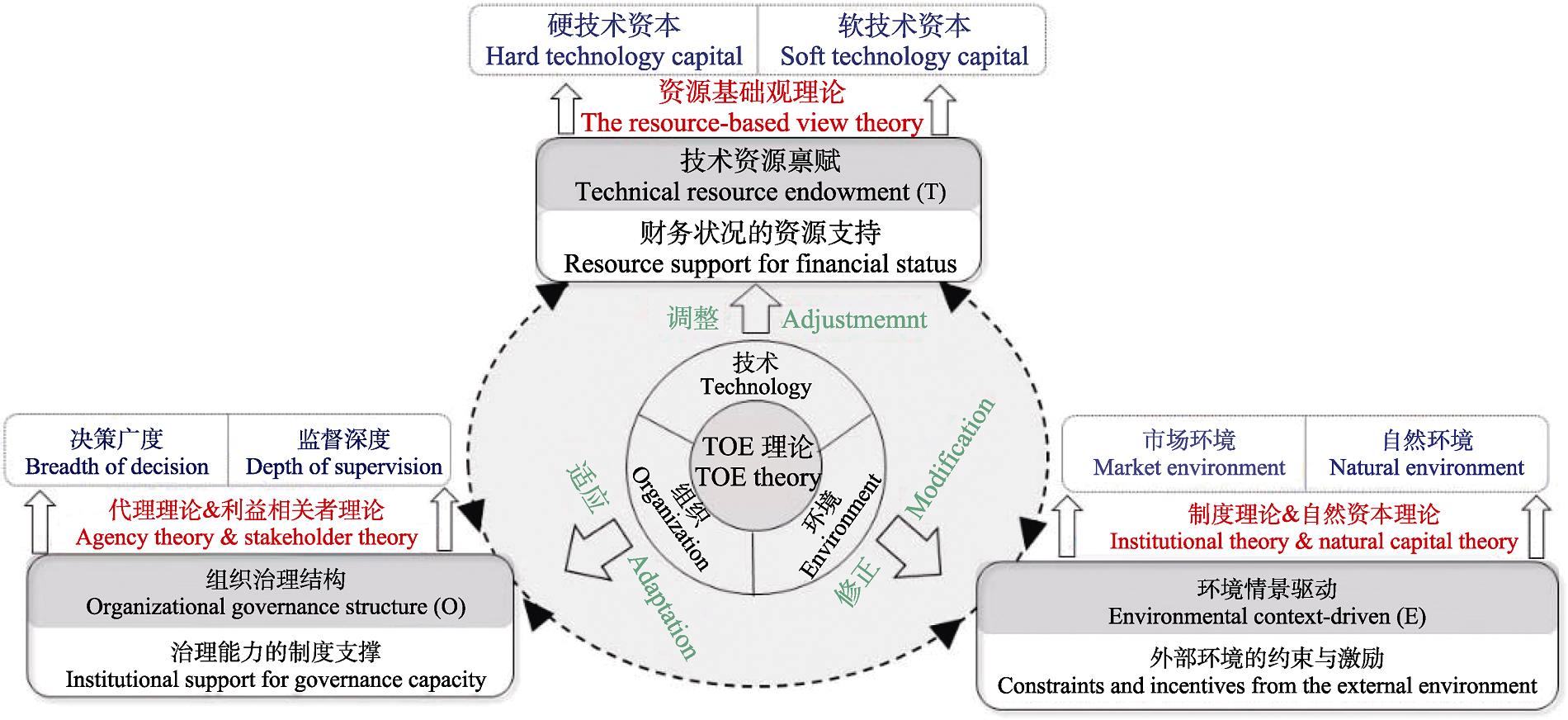
图1 “技术资源禀赋-组织治理结构-环境情景驱动”的理论框架
Fig. 1 Theoretical framework of technical resource endowment-organizational governance structure-environmental context-driven
| 变量类型 Variable type | 变量名称 Variable name | 缩写 Symbols | 变量描述 Variable description | 来源 Data sources |
|---|---|---|---|---|
| 结果变量 Result variable | 企业生物多样性保护指数 Enterprise biodiversity conservation index | BDI | 企业生物多样性保护表现 The performance of enterprises in biodiversity conservation | 汤心萌和秦涛, |
| 前因变量 Antecedent variable | 企业资产规模 Enterprise asset scale | SIZE | 年末资产总额(亿元)取自然对数 The total assets at the end of the year (hundred million yuan) are taken as the natural logarithm | |
| 企业财务风险 Enterprise financial risk | LEV | 年末资产负债率(%) Year-end asset-liability ratio (%) | | |
| 董事会规模 Board size | BSIZE | 董事会年末在职人数(人) The number of people on the board of directors at the end of the year | | |
| 董事会独立性 Board independence | BI | 独立董事年末在职人数占董事会年末在职人数的比例(%) The proportion of independent directors in service at the end of the year to the total number of directors in service at the end of the year (%) | | |
| 市场认可度 Market recognition | EPS | 税后利润比股本总数(%) After-tax profit ratio to total share capital (%) | | |
| 区域经济水平 Regional economic level | PGDP | 各省年度人均地区生产总值(亿元) Annual per capita regional GDP of each province (hundred million yuan) | | |
| 环境规制强度 Intensity of environmental regulation | ER | 工业污染治理投资总额比第二产业增加值(%) Total investment in industrial pollution control to the added value of the secondary industry (%) | | |
| 国家公园建设 National park construction | NP | 以2021年为分界点的5个正式设立国家公园的0-1变量 The 0-1 variable of the five officially established national parks with 2021 as the dividing point | | |
| 自然保护区面积 Area of nature reserve | NRA | 各省市当年统计本地各级自然保护区面积总和(104 ha) The total area of nature reserves at all levels in each province and municipality as tallied in the current year (104 ha) | |
表1 企业生物多样性保护驱动路径研究变量汇总
Table 1 Summary of research variables for the driving path of enterprises’ biodiversity conservation
| 变量类型 Variable type | 变量名称 Variable name | 缩写 Symbols | 变量描述 Variable description | 来源 Data sources |
|---|---|---|---|---|
| 结果变量 Result variable | 企业生物多样性保护指数 Enterprise biodiversity conservation index | BDI | 企业生物多样性保护表现 The performance of enterprises in biodiversity conservation | 汤心萌和秦涛, |
| 前因变量 Antecedent variable | 企业资产规模 Enterprise asset scale | SIZE | 年末资产总额(亿元)取自然对数 The total assets at the end of the year (hundred million yuan) are taken as the natural logarithm | |
| 企业财务风险 Enterprise financial risk | LEV | 年末资产负债率(%) Year-end asset-liability ratio (%) | | |
| 董事会规模 Board size | BSIZE | 董事会年末在职人数(人) The number of people on the board of directors at the end of the year | | |
| 董事会独立性 Board independence | BI | 独立董事年末在职人数占董事会年末在职人数的比例(%) The proportion of independent directors in service at the end of the year to the total number of directors in service at the end of the year (%) | | |
| 市场认可度 Market recognition | EPS | 税后利润比股本总数(%) After-tax profit ratio to total share capital (%) | | |
| 区域经济水平 Regional economic level | PGDP | 各省年度人均地区生产总值(亿元) Annual per capita regional GDP of each province (hundred million yuan) | | |
| 环境规制强度 Intensity of environmental regulation | ER | 工业污染治理投资总额比第二产业增加值(%) Total investment in industrial pollution control to the added value of the secondary industry (%) | | |
| 国家公园建设 National park construction | NP | 以2021年为分界点的5个正式设立国家公园的0-1变量 The 0-1 variable of the five officially established national parks with 2021 as the dividing point | | |
| 自然保护区面积 Area of nature reserve | NRA | 各省市当年统计本地各级自然保护区面积总和(104 ha) The total area of nature reserves at all levels in each province and municipality as tallied in the current year (104 ha) | |
| 条件变量 Condition variable | 高水平企业生物多样性保护指数 High-level of enterprise biodiversity conservation index | 低水平企业生物多样性保护指数 Low-level of enterprise biodiversity conservation index | ||
|---|---|---|---|---|
| 一致性 Consistency | 覆盖率 Coverage rate | 一致性 Consistency | 覆盖率 Coverage rate | |
| 企业资产规模 Enterprise asset scale | 0.6527 | 0.8281 | 0.6667 | 0.5267 |
| ~企业资产规模 ~ Enterprise asset scale | 0.6269 | 0.7514 | 0.7824 | 0.5838 |
| 企业财务风险 Enterprise financial risk | 0.6434 | 0.7930 | 0.6993 | 0.5365 |
| ~企业财务风险 ~ Enterprise financial risk | 0.6240 | 0.7693 | 0.7301 | 0.5603 |
| 董事会规模 Board size | 0.6680 | 0.8511 | 0.7605 | 0.6032 |
| ~董事会规模 ~ Board size | 0.6886 | 0.8220 | 0.8123 | 0.6036 |
| 董事会独立性 Board independence | 0.5268 | 0.7680 | 0.5686 | 0.5160 |
| ~董事会独立性 ~ Board independence | 0.6679 | 0.7132 | 0.7443 | 0.4947 |
| 市场认可度 Market recognition | 0.6187 | 0.8156 | 0.6612 | 0.5426 |
| ~市场认可度 ~ Market recognition | 0.6530 | 0.7559 | 0.7753 | 0.5587 |
| 区域经济水平 Regional economic level | 0.6093 | 0.8097 | 0.6661 | 0.5510 |
| ~区域经济水平 ~ Regional economic level | 0.6621 | 0.7611 | 0.7699 | 0.5509 |
| 环境规制强度 Intensity of environmental regulation | 0.6253 | 0.7707 | 0.7489 | 0.5746 |
| ~环境规制强度 ~ Intensity of environmental regulation | 0.6548 | 0.8073 | 0.7011 | 0.5380 |
| 国家公园建设 National park construction | 0.0351 | 0.6447 | 0.0310 | 0.3539 |
| ~国家公园建设 ~ National park construction | 0.9648 | 0.6153 | 0.9689 | 0.3846 |
| 自然保护区面积 Area of nature reserve | 0.6032 | 0.7825 | 0.6841 | 0.5524 |
| ~自然保护区面积 ~Area of nature reserve | 0.6549 | 0.7690 | 0.7306 | 0.5340 |
表2 企业生物多样性保护驱动路径的前因变量必要条件分析
Table 2 Necessary condition analysis of antecedent variable for the driving path of enterprises’ biodiversity conservation
| 条件变量 Condition variable | 高水平企业生物多样性保护指数 High-level of enterprise biodiversity conservation index | 低水平企业生物多样性保护指数 Low-level of enterprise biodiversity conservation index | ||
|---|---|---|---|---|
| 一致性 Consistency | 覆盖率 Coverage rate | 一致性 Consistency | 覆盖率 Coverage rate | |
| 企业资产规模 Enterprise asset scale | 0.6527 | 0.8281 | 0.6667 | 0.5267 |
| ~企业资产规模 ~ Enterprise asset scale | 0.6269 | 0.7514 | 0.7824 | 0.5838 |
| 企业财务风险 Enterprise financial risk | 0.6434 | 0.7930 | 0.6993 | 0.5365 |
| ~企业财务风险 ~ Enterprise financial risk | 0.6240 | 0.7693 | 0.7301 | 0.5603 |
| 董事会规模 Board size | 0.6680 | 0.8511 | 0.7605 | 0.6032 |
| ~董事会规模 ~ Board size | 0.6886 | 0.8220 | 0.8123 | 0.6036 |
| 董事会独立性 Board independence | 0.5268 | 0.7680 | 0.5686 | 0.5160 |
| ~董事会独立性 ~ Board independence | 0.6679 | 0.7132 | 0.7443 | 0.4947 |
| 市场认可度 Market recognition | 0.6187 | 0.8156 | 0.6612 | 0.5426 |
| ~市场认可度 ~ Market recognition | 0.6530 | 0.7559 | 0.7753 | 0.5587 |
| 区域经济水平 Regional economic level | 0.6093 | 0.8097 | 0.6661 | 0.5510 |
| ~区域经济水平 ~ Regional economic level | 0.6621 | 0.7611 | 0.7699 | 0.5509 |
| 环境规制强度 Intensity of environmental regulation | 0.6253 | 0.7707 | 0.7489 | 0.5746 |
| ~环境规制强度 ~ Intensity of environmental regulation | 0.6548 | 0.8073 | 0.7011 | 0.5380 |
| 国家公园建设 National park construction | 0.0351 | 0.6447 | 0.0310 | 0.3539 |
| ~国家公园建设 ~ National park construction | 0.9648 | 0.6153 | 0.9689 | 0.3846 |
| 自然保护区面积 Area of nature reserve | 0.6032 | 0.7825 | 0.6841 | 0.5524 |
| ~自然保护区面积 ~Area of nature reserve | 0.6549 | 0.7690 | 0.7306 | 0.5340 |
| 条件组态 Conditional configuration | H1 | H2 | H3 | H4 | |
|---|---|---|---|---|---|
| H4a | H4b | ||||
| 企业资产规模 Enterprise asset scale | ☒ | ● | ☒ | ● | ● |
| 企业财务风险 Enterprise financial risk | ⚪ | ● | ☒ | ● | ● |
| 董事会规模 Board size | ● | ⚪ | ⚪ | ● | ● |
| 董事会独立性 Board independence | ☒ | ⚪ | ⚪ | ☒ | ■ |
| 市场认可度 Market recognition | ☒ | ● | ● | ☒ | ● |
| 区域经济水平 Regional economic level | ■ | ■ | ☒ | ■ | ■ |
| 环境规制强度 Intensity of environmental regulation | ☒ | ⊗ | ■ | ☒ | ☒ |
| 国家公园建设 National park construction | ⚪ | ⊗ | ☒ | ⚪ | ⚪ |
| 自然保护区面积 Area of nature reserve | ☒ | ☒ | ☒ | ■ | ■ |
| 原始覆盖度 Raw coverage | 0.1443 | 0.1634 | 0.1754 | 0.1272 | 0.0936 |
| 唯一覆盖度 Unique coverage | 0.0010 | 0.0020 | 0.0024 | 0.0015 | 0.0006 |
| 解的覆盖度 Overall solution coverage | 0.8898 | ||||
| 解的一致性 Overall solution consistency | 0.8238 | ||||
表3 高水平企业生物多样性保护的前因组态
Table 3 The antecedent configuration of high-level enterprise biodiversity conservation
| 条件组态 Conditional configuration | H1 | H2 | H3 | H4 | |
|---|---|---|---|---|---|
| H4a | H4b | ||||
| 企业资产规模 Enterprise asset scale | ☒ | ● | ☒ | ● | ● |
| 企业财务风险 Enterprise financial risk | ⚪ | ● | ☒ | ● | ● |
| 董事会规模 Board size | ● | ⚪ | ⚪ | ● | ● |
| 董事会独立性 Board independence | ☒ | ⚪ | ⚪ | ☒ | ■ |
| 市场认可度 Market recognition | ☒ | ● | ● | ☒ | ● |
| 区域经济水平 Regional economic level | ■ | ■ | ☒ | ■ | ■ |
| 环境规制强度 Intensity of environmental regulation | ☒ | ⊗ | ■ | ☒ | ☒ |
| 国家公园建设 National park construction | ⚪ | ⊗ | ☒ | ⚪ | ⚪ |
| 自然保护区面积 Area of nature reserve | ☒ | ☒ | ☒ | ■ | ■ |
| 原始覆盖度 Raw coverage | 0.1443 | 0.1634 | 0.1754 | 0.1272 | 0.0936 |
| 唯一覆盖度 Unique coverage | 0.0010 | 0.0020 | 0.0024 | 0.0015 | 0.0006 |
| 解的覆盖度 Overall solution coverage | 0.8898 | ||||
| 解的一致性 Overall solution consistency | 0.8238 | ||||
| 条件组态 Conditional configuration | L1 | L2 | L3 | L4 |
|---|---|---|---|---|
| 企业资产规模 Enterprise asset scale | ⊗ | ⊗ | ⊗ | ⚪ |
| 企业财务风险 Enterprise financial risk | ⚪ | ☒ | ⚪ | ⚪ |
| 董事会规模 Board size | ⊗ | ⚪ | ⊗ | ■ |
| 董事会独立性 Board independence | ■ | ⊗ | ■ | ⊗ |
| 市场认可度 Market recognition | ⚪ | ■ | ■ | ⊗ |
| 区域经济水平 Regional economic level | ⚪ | ☒ | ⊗ | ⊗ |
| 环境规制强度 Intensity of environmental regulation | ● | ● | ⚪ | ● |
| 国家公园建设 National park construction | ☒ | ☒ | ☒ | ☒ |
| 自然保护区面积 Area of nature reserve | ● | ☒ | ● | ■ |
| 原始覆盖度 Raw coverage | 0.2238 | 0.2106 | 0.1585 | 0.2821 |
| 唯一覆盖度 Unique coverage | 0.0037 | 0.0028 | 0.0026 | 0.0267 |
| 解的覆盖度 Overall solution consistency | 0.7694 | |||
| 解的一致性 Overall solution coverage | 0.7786 | |||
表4 低水平企业生物多样性保护的前因组态
Table 4 The antecedent configuration of low-level enterprise biodiversity conservation
| 条件组态 Conditional configuration | L1 | L2 | L3 | L4 |
|---|---|---|---|---|
| 企业资产规模 Enterprise asset scale | ⊗ | ⊗ | ⊗ | ⚪ |
| 企业财务风险 Enterprise financial risk | ⚪ | ☒ | ⚪ | ⚪ |
| 董事会规模 Board size | ⊗ | ⚪ | ⊗ | ■ |
| 董事会独立性 Board independence | ■ | ⊗ | ■ | ⊗ |
| 市场认可度 Market recognition | ⚪ | ■ | ■ | ⊗ |
| 区域经济水平 Regional economic level | ⚪ | ☒ | ⊗ | ⊗ |
| 环境规制强度 Intensity of environmental regulation | ● | ● | ⚪ | ● |
| 国家公园建设 National park construction | ☒ | ☒ | ☒ | ☒ |
| 自然保护区面积 Area of nature reserve | ● | ☒ | ● | ■ |
| 原始覆盖度 Raw coverage | 0.2238 | 0.2106 | 0.1585 | 0.2821 |
| 唯一覆盖度 Unique coverage | 0.0037 | 0.0028 | 0.0026 | 0.0267 |
| 解的覆盖度 Overall solution consistency | 0.7694 | |||
| 解的一致性 Overall solution coverage | 0.7786 | |||
| 驱动路径 Driving path | 基本构成条件 Basic constituent conditions | 核心驱动条件 Core driving conditions | 内容阐释 Content explanation | 特点 Features | ||
|---|---|---|---|---|---|---|
| 企业治理引导型(H1) Enterprise governance guidance (H1) | 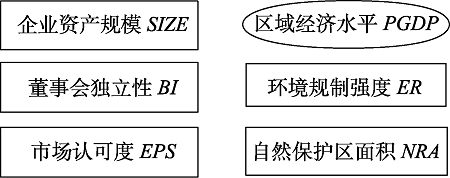 | 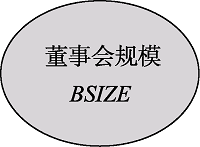 | 多元化、专业化、规模化的董事会管理层作为企业关键治理杠杆, 通过“决策广度-资源整合-长期导向”机制, 引导资源流向生物多样性保护项目, 影响企业生物多样性保护成效 The diversified, professional and large-scale board management team, as a key governance lever of the enterprise, guides resources towards biodiversity conservation projects through the mechanism of “decision-making breadth- resource integration-long-term orientation”, influencing the effectiveness of the enterprise’s biodiversity conservation | 发挥“董事会治理效应”, 强调企业治理的主动性和灵活性 Give full play to the “board governance effect” and emphasize the initiative and flexibility of corporate governance | ||
| 财务状况驱动型(H2) Financial- driven (H2) | 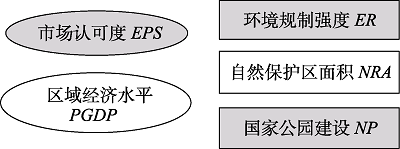 | 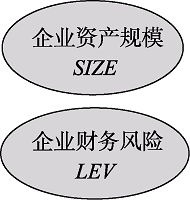 | 规模化、稳健性、风险低的企业财务状况为企业重塑资源竞争优势, 通过“资源规模-风险缓冲-投资韧性”机制, 为企业生物多样性实践项目提供可持续支撑, 驱动企业生物多样性保护 The financial status of large-scale, stable and low-risk enterprises helps them reshape their resource competitive advantages. Through the mechanism of “resource scale-risk buffer-investment resilience”, it provides sustainable support for the enterprise’s biodiversity practice projects and drives the protection of enterprise biodiversity | 激活“财务乘数效应”, 强调资金支持的战略性和可持续性 Activate the “financial multiplier effect” and emphasize the strategic and sustainable nature of financial support | ||
| 市场压力倒逼型(H3) Market pressure-driven (H3) | 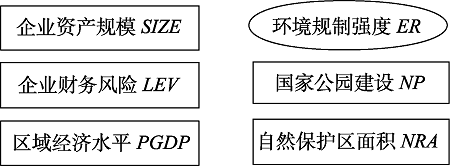 | 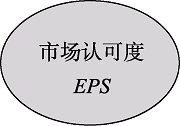 | 当企业自身财务和管理能力较弱, 且外部资源竞争激烈时, 市场的生物多样性保护投资偏好迫使企业调整并适应, 通过“投资者预期-竞争压力-市场定位”机制, 倒逼企业调整企业形象和市场定位, 探索生物多样性保护策略 When a company’s own financial and management capabilities are weak and the competition for external resources is fierce, the market’s investment preference for biodiversity conservation forces the company to adjust and adapt. Through the mechanism of “investor expectations- competitive pressure-market positioning”, the company is compelled to adjust its corporate image and market positioning and explore strategies for biodiversity conservation | 借势“市场倒逼效应”, 强调压力竞争的革新性和转型性 Taking advantage of the “market-driven effect”, it emphasizes the innovative and transformative nature of pressure competition | ||
| 自然禀赋依托型(H4a & H4b) Natural endowment dependent (H4a & H4b) | 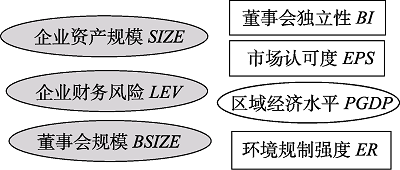 |  | 在自身情况稳健基础上, 企业所处区域拥有丰富、独特、密集的生物多样性自然禀赋资源, 形成独具特色的生态资源耦合优势, 通过“生态本底-资源富集-资源溢价”机制, 将企业区位禀赋转化为保护动能, 赋能企业生物多样性保护实践 Based on its own stable situation, the region where the enterprise is located possesses rich, unique and dense natural endowment resources of biodiversity, forming a distinctive ecological resource coupling advantage. Through the mechanism of “ecological background-resource enrichment-resource premium”, the enterprise’s location endowment is transformed into protection momentum, empowering the enterprise’s biodiversity protection practice | 释放“自然禀赋效应”, 强调地理区位和自然禀赋的重要性和独特性 Unleash the “natural endowment effect”, emphasizing the significance and uniqueness of geographical location and natural endowment | ||
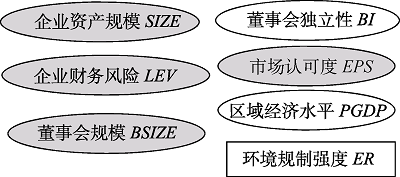 | ||||||
表5 高水平企业生物多样性保护的驱动路径和模式分析
Table 5 Analysis of the driving path and mode of biodiversity conservation in high-level enterprises
| 驱动路径 Driving path | 基本构成条件 Basic constituent conditions | 核心驱动条件 Core driving conditions | 内容阐释 Content explanation | 特点 Features | ||
|---|---|---|---|---|---|---|
| 企业治理引导型(H1) Enterprise governance guidance (H1) | | | 多元化、专业化、规模化的董事会管理层作为企业关键治理杠杆, 通过“决策广度-资源整合-长期导向”机制, 引导资源流向生物多样性保护项目, 影响企业生物多样性保护成效 The diversified, professional and large-scale board management team, as a key governance lever of the enterprise, guides resources towards biodiversity conservation projects through the mechanism of “decision-making breadth- resource integration-long-term orientation”, influencing the effectiveness of the enterprise’s biodiversity conservation | 发挥“董事会治理效应”, 强调企业治理的主动性和灵活性 Give full play to the “board governance effect” and emphasize the initiative and flexibility of corporate governance | ||
| 财务状况驱动型(H2) Financial- driven (H2) | | | 规模化、稳健性、风险低的企业财务状况为企业重塑资源竞争优势, 通过“资源规模-风险缓冲-投资韧性”机制, 为企业生物多样性实践项目提供可持续支撑, 驱动企业生物多样性保护 The financial status of large-scale, stable and low-risk enterprises helps them reshape their resource competitive advantages. Through the mechanism of “resource scale-risk buffer-investment resilience”, it provides sustainable support for the enterprise’s biodiversity practice projects and drives the protection of enterprise biodiversity | 激活“财务乘数效应”, 强调资金支持的战略性和可持续性 Activate the “financial multiplier effect” and emphasize the strategic and sustainable nature of financial support | ||
| 市场压力倒逼型(H3) Market pressure-driven (H3) | | | 当企业自身财务和管理能力较弱, 且外部资源竞争激烈时, 市场的生物多样性保护投资偏好迫使企业调整并适应, 通过“投资者预期-竞争压力-市场定位”机制, 倒逼企业调整企业形象和市场定位, 探索生物多样性保护策略 When a company’s own financial and management capabilities are weak and the competition for external resources is fierce, the market’s investment preference for biodiversity conservation forces the company to adjust and adapt. Through the mechanism of “investor expectations- competitive pressure-market positioning”, the company is compelled to adjust its corporate image and market positioning and explore strategies for biodiversity conservation | 借势“市场倒逼效应”, 强调压力竞争的革新性和转型性 Taking advantage of the “market-driven effect”, it emphasizes the innovative and transformative nature of pressure competition | ||
| 自然禀赋依托型(H4a & H4b) Natural endowment dependent (H4a & H4b) | | | 在自身情况稳健基础上, 企业所处区域拥有丰富、独特、密集的生物多样性自然禀赋资源, 形成独具特色的生态资源耦合优势, 通过“生态本底-资源富集-资源溢价”机制, 将企业区位禀赋转化为保护动能, 赋能企业生物多样性保护实践 Based on its own stable situation, the region where the enterprise is located possesses rich, unique and dense natural endowment resources of biodiversity, forming a distinctive ecological resource coupling advantage. Through the mechanism of “ecological background-resource enrichment-resource premium”, the enterprise’s location endowment is transformed into protection momentum, empowering the enterprise’s biodiversity protection practice | 释放“自然禀赋效应”, 强调地理区位和自然禀赋的重要性和独特性 Unleash the “natural endowment effect”, emphasizing the significance and uniqueness of geographical location and natural endowment | ||
| | ||||||
| 限制路径 Restricted path | 基本缺失条件 Basic missing conditions | 核心缺失条件 Core missing conditions | 内容阐释 Content explanations | 特点 Features |
|---|---|---|---|---|
| 内生因素约束型(L1 & L2) Endogenous factor constraint (L1 & L2) | 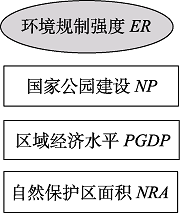 | 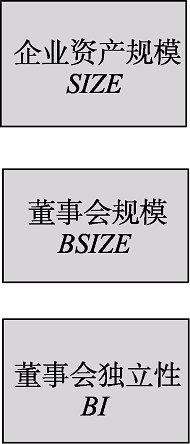 | 企业治理能力欠佳及资产体量有限等企业内生性禀赋缺陷, 作为关键制约瓶颈, 通过“治理短板-资源匮乏-能力受限”传导机制, 削弱企业生物多样性保护的决策效能与执行基础, 导致保护实践难以突破低水平均衡 The inherent endowment deficiencies of enterprises such as poor corporate governance capabilities and limited asset volumes, as key constraints, weaken the decision-making efficiency and implementation foundation of enterprises in biodiversity conservation through the transmission mechanism of “governance shortcomings-resource scarcity-capacity limitations”, making it difficult for conservation practices to break through the low-level equilibrium | 受限于“内生因素约束效应”, 强调企业自身短板的限制性和刚性 Constrained by the “endogenous factor constraint effect”, it emphasizes the limitations and rigidity of the enterprise’s own shortcomings |
| 外源因素抑制型(L3 & L4) Exogenous factor inhibitory (L3 & L4) | 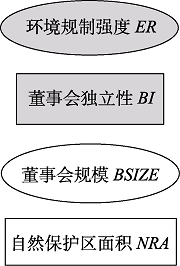 | 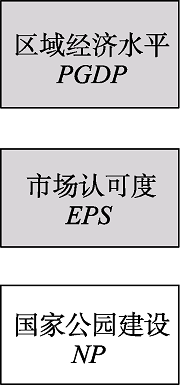 | 投资市场低迷与区域经济发展滞后构成的双重外源压力, 通过“需求抑制-投入受限-反馈缺失”作用链条, 削弱企业开展生物多样性保护的经济激励与社会认同, 形成低水平保护的路径依赖, 生物多样性保护呈现弱态 The dual external pressures formed by the sluggish investment market and the lagging regional economic development, through the chain of action of “demand suppression-input limitation-feedback deficiency”, weaken the economic incentives and social recognition for enterprises to carry out biodiversity conservation, resulting in a path dependence of low-level conservation and a weak state of biodiversity conservation | 受限于“外源因素抑制效应”, 强调外部因素的叠加性和封锁性 Constrained by the “inhibitory effect of external factors”, it emphasizes the superposition and blocking nature of external factors |
表6 低水平企业生物多样性保护的限制路径和成因分析
Table 6 Analysis of the limiting paths and causes of biodiversity conservation in low-level enterprises
| 限制路径 Restricted path | 基本缺失条件 Basic missing conditions | 核心缺失条件 Core missing conditions | 内容阐释 Content explanations | 特点 Features |
|---|---|---|---|---|
| 内生因素约束型(L1 & L2) Endogenous factor constraint (L1 & L2) | | | 企业治理能力欠佳及资产体量有限等企业内生性禀赋缺陷, 作为关键制约瓶颈, 通过“治理短板-资源匮乏-能力受限”传导机制, 削弱企业生物多样性保护的决策效能与执行基础, 导致保护实践难以突破低水平均衡 The inherent endowment deficiencies of enterprises such as poor corporate governance capabilities and limited asset volumes, as key constraints, weaken the decision-making efficiency and implementation foundation of enterprises in biodiversity conservation through the transmission mechanism of “governance shortcomings-resource scarcity-capacity limitations”, making it difficult for conservation practices to break through the low-level equilibrium | 受限于“内生因素约束效应”, 强调企业自身短板的限制性和刚性 Constrained by the “endogenous factor constraint effect”, it emphasizes the limitations and rigidity of the enterprise’s own shortcomings |
| 外源因素抑制型(L3 & L4) Exogenous factor inhibitory (L3 & L4) | | | 投资市场低迷与区域经济发展滞后构成的双重外源压力, 通过“需求抑制-投入受限-反馈缺失”作用链条, 削弱企业开展生物多样性保护的经济激励与社会认同, 形成低水平保护的路径依赖, 生物多样性保护呈现弱态 The dual external pressures formed by the sluggish investment market and the lagging regional economic development, through the chain of action of “demand suppression-input limitation-feedback deficiency”, weaken the economic incentives and social recognition for enterprises to carry out biodiversity conservation, resulting in a path dependence of low-level conservation and a weak state of biodiversity conservation | 受限于“外源因素抑制效应”, 强调外部因素的叠加性和封锁性 Constrained by the “inhibitory effect of external factors”, it emphasizes the superposition and blocking nature of external factors |
| [1] | Affinito F, Butchart SHM, Nicholson E, Hirsch T, Williams JM, Campbell JE, Ferrari MF, Gabay M, Gorini L, Stroil BK, Kohsaka R, Painter B, Pinto JC, Scholz AH, Straza TRA, Tshidada N, Vallecillo S, Widdicombe S, Gonzalez A (2025) Assessing coverage of the monitoring framework of the Kunming-Montreal Global Biodiversity Framework and opportunities to fill gaps. Nature Ecology & Evolution, 9, 1280-1294. |
| [2] |
Ai MY, Luo F, Bu Y (2024) Green innovation and corporate financial performance: Insights from operating risks. Journal of Cleaner Production, 456, 142353.
DOI URL |
| [3] |
Ali R, García-Sánchez IM, Aibar-Guzmán B, Rehman RU (2024) Is biodiversity disclosure emerging as a key topic on the agenda of institutional investors? Business Strategy and the Environment, 33, 2116-2142.
DOI URL |
| [4] |
Bassen A, Buchholz D, Lopatta K, Rudolf AR (2024) Biodiversity management and stock price crash risk. Business Strategy and the Environment, 33, 4788-4805.
DOI URL |
| [5] |
Chau PYK, Tam KY (1997) Factors affecting the adoption of open systems: An exploratory Study1. MIS Quarterly, 21, 1-24.
DOI URL |
| [6] |
Cheng AT, Sims KRE, Yi YY (2023) Economic development and conservation impacts of China’s nature reserves. Journal of Environmental Economics and Management, 121, 102848.
DOI URL |
| [7] |
Cui CY, Hou YL, Wang TY, Wen YL (2022) Biodiversity conservation supported by finance: Global practice and policy enlightenment. Biodiversity Science, 30, 22326. (in Chinese with English abstract)
DOI |
|
[崔楚云, 侯一蕾, 王天一, 温亚利 (2022) 金融支持生物多样性保护: 全球实践及政策启示. 生物多样性, 30, 22326.]
DOI |
|
| [8] | Cui W, Lu ZF (2008) Board size, independence and accounting information transparency: Empirical evidences from Chinese capital market. Nankai Business Review, 11(2), 22-27. (in Chinese) |
| [崔伟, 陆正飞 (2008) 董事会规模、独立性与会计信息透明度——来自中国资本市场的经验证据. 南开管理评论, 11(2), 22-27.] | |
| [9] | Dai Z, Bao GX (2023) Qualitative comparative analysis: Applications and improvements in Chinese public administration. China Public Administration Review, 5(2), 188-212. (in Chinese with English abstract) |
| [戴正, 包国宪 (2023) QCA在中国公共管理研究中的应用: 问题与改进. 公共管理评论, 5(2), 188-212.] | |
| [10] | Deng KB, Zeng HJ (2014) The financial constraints in China. Economic Research Journal, 49(2), 47-60, 140. (in Chinese with English abstract) |
| [邓可斌, 曾海舰 (2014) 中国企业的融资约束: 特征现象与成因检验. 经济研究, 49(2), 47-60, 140.] | |
| [11] |
Díaz S, Malhi Y (2022) Biodiversity: Concepts, patterns, trends, and perspectives. Annual Review of Environment and Resources, 47, 31-63.
DOI URL |
| [12] | Du YZ, Jia LD (2017) Configuration perspective and qualitative comparative analysis (QCA): A new way of management research. Management World, 33(6), 155-167. (in Chinese) |
| [杜运周, 贾良定 (2017) 组态视角与定性比较分析(QCA): 管理学研究的一条新道路. 管理世界, 33(6), 155-167.] | |
| [13] | Du YZ, Liu QC, Cheng JQ (2020) What kind of ecosystem for doing business will contribute to city-level high entrepreneurial activity? A research based on institutional configurations. Management World, 36(9), 141-155. (in Chinese with English abstract) |
| [杜运周, 刘秋辰, 程建青 (2020) 什么样的营商环境生态产生城市高创业活跃度? ——基于制度组态的分析. 管理世界, 36(9), 141-155.] | |
| [14] | Dul J (2016) Necessary condition analysis (NCA): Logic and methodology of ‘necessary but not sufficient’ causality. SSRN Electronic Journal, 19, 10-52. |
| [15] |
Fiss PC (2011) Building better causal theories: A fuzzy set approach to typologies in organization research. Academy of Management Journal, 54, 393-420.
DOI URL |
| [16] |
Flammer C, Giroux T, Heal GM (2025) Biodiversity finance. Journal of Financial Economics, 164, 103987.
DOI URL |
| [17] |
Geng YJ, Tian Y, Li JS, Xu J (2020) Progress and prospects of the Post-2020 Global Biodiversity Framework. Biodiversity Science, 28, 238-243. (in Chinese with English abstract)
DOI |
|
[耿宜佳, 田瑜, 李俊生, 徐靖 (2020) “2020年后全球生物多样性框架”进展及展望. 生物多样性, 28, 238-243.]
DOI |
|
| [18] | He SY, Wang BJ, Wang GP, Wei Y (2021) Rural livelihood transition and industrial development in protected areas: Experience and inspiration. Acta Ecologica Sinica, 41, 9207-9215. (in Chinese) |
| [何思源, 王博杰, 王国萍, 魏钰 (2021) 自然保护地社区生计转型与产业发展. 生态学报, 41, 9207-9215.] | |
| [19] | IPBES Intergovernmental Science-Policy Platform on Biodiversity and Ecosystem Services (2019) Summary for Policymakers of the Global Assessment Report on Biodiversity and Ecosystem Services. IPBES secretariat, Bonn, Germany. |
| [20] | Jia JF, Liu WP, Du YZ, Zhao RN, Jiang JX (2024) Multiple paths for improving green technology innovation efficiency from the perspective of institutional configuration. Nankai Business Review, 27(2), 51-59. (in Chinese with English abstract) |
| [贾建锋, 刘伟鹏, 杜运周, 赵若男, 蒋金鑫 (2024) 制度组态视角下绿色技术创新效率提升的多元路径. 南开管理评论, 27(2), 51-59.] | |
| [21] | Jian ZQ, Liu N, Huang RY (2020) Effect on ambidextrous innovation by dynamic capability and firm size—An empirical study based on fsQCA. Science & Technology Progress and Policy, 37(19), 77-86. (in Chinese) |
|
[简兆权, 刘念, 黄如意 (2020) 动态能力、企业规模与双元创新关系研究——基于fsQCA方法的实证分析. 科技进步与对策, 37(19), 77-86.]
DOI |
|
| [22] | Jiang Y, Qin SY (2022) Promotion mechanism of green credit policy on sustainable development performance of enterprises. China Population Resources and Environment, 32(12), 78-91. (in Chinese with English abstract) |
| [姜燕, 秦淑悦 (2022) 绿色信贷政策对企业可持续发展绩效的促进机制. 中国人口·资源与环境, 32(12), 78-91.] | |
| [23] | Jin Y, Tu CD, Du WZ, Liu L, Xu WW (2024) Analysis and stability assessment of biodiversity in Su-Xi-Chang region. Remote Sensing Information, 39(6), 30-37. (in Chinese with English abstract) |
| [金洋, 屠长达, 杜维真, 刘玲, 许伟伟 (2024) 苏锡常地区生物多样性分析与稳定性评估. 遥感信息, 39(6), 30-37.] | |
| [24] |
Kalhoro MR, Kyaw K (2024) Manage biodiversity risk exposure? Finance Research Letters, 61, 104989.
DOI URL |
| [25] | Kamarudin KA, Mohamad Ariff A, Azmi NA, Mohd Suffian MT (2025) Nonlinear effects of board size and board independence on corporate sustainability performance: International evidence. Corporate Governance, 25, 860-883. |
| [26] |
Kopnina H, Zhang SR, Anthony S, Hassan A, Maroun W (2024) The inclusion of biodiversity into environmental, social, and governance (ESG) framework: A strategic integration of ecocentric extinction accounting. Journal of Environmental Management, 351, 119808.
DOI URL |
| [27] |
Kraus S, Ribeiro-Soriano D, Schüssler M (2018) Fuzzy-set qualitative comparative analysis (fsQCA) in entrepreneurship and innovation research—The rise of a method. International Entrepreneurship and Management Journal, 14, 15-33.
DOI URL |
| [28] | Li X (2012) Comparison and Suggestions on Environment Policies. PhD dissertation, Chinese Academy of Fiscal Science, Beijing. (in Chinese with English abstract) |
| [李欣 (2012) 环境政策研究. 博士学位论文, 中国财政科学研究所, 北京.] | |
| [29] | Li XQ, Zheng ZJ, Han XF (2024) Riding the wave of data: Government data governance empowering corporate digital innovation. Journal of Quantitative & Technological Economics, 41(12), 68-88. (in Chinese with English abstract) |
| [李雪琴, 郑酌基, 韩先锋 (2024) 乘“数”而上: 政府数据治理赋能企业数字创新. 数量经济技术经济研究, 41(12), 68-88.] | |
| [30] | Lou Y, Wei WJ (2011) An empirical analysis on isomophism of large listed companies in China—New institutional view. Research on Economics and Management, 32(7), 111-115, 119. (in Chinese with English abstract) |
| [楼园, 魏文姬 (2011) 大型上市企业组织结构趋同的实证分析——基于新制度主义视角. 经济与管理研究, 32(7), 111-115, 119.] | |
| [31] | Ma PP, Zhang M, Wang LK (2024) Public environmental concerns and corporate green transformation: The dual examination of government environmental regulations and the internal capacity of enterprises. China Population Resources and Environment, 34(6), 112-123. (in Chinese with English abstract) |
| [马平平, 张明, 王龙可 (2024) 公众环境关注与企业绿色转型: 政府环境规制与企业内部能力的双重审视. 中国人口·资源与环境, 34(6), 112-123.] | |
| [32] |
Makpotche M, Bouslah K, M’Zali B (2024) Corporate governance and green innovation: International evidence. Review of Accounting and Finance, 23, 280-309.
DOI URL |
| [33] | Mi XC, Feng G, Hu YB, Zhang J, Chen L, Corlett RT, Hughes AC, Pimm S, Schmid B, Shi SH, Svenning JC, Ma KP (2021) The global significance of biodiversity science in China: An overview. National Science Review, nwab032. |
| [34] |
Narain D, Teo HC, Lechner AM, Watson JEM, Maron M (2022) Biodiversity risks and safeguards of China’s hydropower financing in Belt and Road Initiative (BRI) countries. One Earth, 5, 1019-1029.
DOI URL |
| [35] | Nie ZC (2022) Research on influencing factors of ESG information disclosure of listed companies in heavy pollution industries—Based on fuzzy set qualitative comparative analysis. Commercial Accounting, (19), 38-43. (in Chinese) |
| [聂紫聪 (2022) 重污染行业上市公司ESG信息披露的影响因素研究——基于模糊集定性比较分析. 商业会计, (19), 38-43.] | |
| [36] | Qin Y, Wang YH (2020) Environment regulation, financing constraints and heavy-polluting enterprises’ investment path selection in greening innovation. Collected Essays on Finance and Economics, (10), 75-84. (in Chinese with English abstract) |
| [覃予, 王翼虹 (2020) 环境规制、融资约束与重污染企业绿色化投资路径选择. 财经论丛, (10), 75-84.] | |
| [37] | Ragin CC, Fiss PC (2008) Net effects analysis versus configurational analysis:An empirical demonstration. In: Redesigning Social Inquiry: Fuzzy Sets and Beyond (ed. Ragin CC), pp. 190-212. University of Chicago Press, Chicago. |
| [38] |
Reale R, Magro TC, Ribas LC (2019) Biodiversity conservation actions as a tool to improve the management of sustainable corporations and their needs ecosystem services. Journal of Cleaner Production, 219, 1-10.
DOI URL |
| [39] | Ren GQ, Lai HF, Zhao LF (2024) Environmental regulation, digital transformation and green technology innovation—A study based on empirical evidence of Chinese listed manufacturing companies. Journal of Beijing Institute of Technology (Social Sciences Edition), (3), 28-42. (in Chinese with English abstract) |
| [任广乾, 赖浣峰, 赵乐凡 (2024) 环境规制、数字化转型与绿色技术创新——来自中国工业企业的数据分析. 北京理工大学学报(社会科学版), (3), 28-42.] | |
| [40] | Ren GQ, Zhou XY, Li XY, Liu L (2021) Nature of property right, corporate governance and enterprise environmental behavior. Journal of Beijing Institute of Technology (Social Sciences Edition), 23(2), 44-55. (in Chinese with English abstract) |
| [任广乾, 周雪娅, 李昕怡, 刘莉 (2021) 产权性质、公司治理与企业环境行为. 北京理工大学学报(社会科学版), 23(2), 44-55.] | |
| [41] | Ren XS, Sun S, Ma Q, Shao S (2024) New energy vehicle promotion policy, financing constraints and green technology innovation. Management Review, 36(1), 131-148. (in Chinese with English abstract) |
| [任晓松, 孙莎, 马茜, 邵帅 (2024) 新能源汽车推广政策、融资约束与绿色技术创新. 管理评论, 36(1), 131-148.] | |
| [42] |
Smith T, Paavola J, Holmes G (2019) Corporate reporting and conservation realities: Understanding differences in what businesses say and do regarding biodiversity. Environmental Policy and Governance, 29, 3-13.
DOI URL |
| [43] |
Song Y, Liu J, He SL, Xu W, Cheng C, Liu B, Yu JQ (2025) Mainstreaming path of biodiversity conservation for Chinese energy enterprises. Biodiversity Science, 33, 24345. (in Chinese with English abstract)
DOI |
|
[宋阳, 柳军, 何少林, 徐薇, 程琛, 刘博, 余绩庆 (2025) 我国能源企业生物多样性保护主流化管理路径. 生物多样性, 33, 24345.]
DOI |
|
| [44] | Tan HB, Fan ZT, Du YZ (2019) Technology management capability, attention distribution and local government website construction: A configurational analysis based on the TOE framework. Journal of Management World, 35(9), 81-94. (in Chinese with English abstract) |
| [谭海波, 范梓腾, 杜运周 (2019) 技术管理能力、注意力分配与地方政府网站建设——一项基于TOE框架的组态分析. 管理世界, 35(9), 81-94.] | |
| [45] | Tan HB, Zhang N (2016) Opening government data: History, value and path. Academic Forum, 39(6), 31-34, 53. (in Chinese) |
| [谭海波, 张楠 (2016) 政府数据开放: 历史、价值与路径. 学术论坛, 39(6), 31-34, 53.] | |
| [46] |
Tang XM, Qin T (2025) Chinese enterprises’ biodiversity disclosure index construction and financing effects. Biodiversity Science, 33, 24264. (in Chinese with English abstract)
DOI |
| [汤心萌, 秦涛 (2025) 中国企业生物多样性信息披露指数及其融资效应研究. 生物多样性 33, 24264.] | |
| [47] |
Tang XM, Zhou XG (2024) Research on characteristics of China’s green economy efficiency and its changing trend in the new period: Temporal and spatial distribution, regional differences, and convergence characteristics. Operations Research and Management Science, 33(6), 151-157. (in Chinese with English abstract)
DOI |
|
[汤心萌, 周晓光 (2024) 中国绿色经济效率特征及其新时期变化趋势研究: 时空分布、地区差异、收敛性特点. 运筹与管理, 33(6), 151-157.]
DOI |
|
| [48] | Tornatzky LG, Fleischer M, Chakrabarti AK (1990) The processes of technological innovation. In: TheProcesses of Technological Innovation (TornatzkyLG,eds Fleischer M), pp.27-50. Lexington Books, Lanham, Mayland, USA. |
| [49] | Toukabri M, Alwadai AM (2024) Corporate commitments to biodiversity disclosure and sustainable board. Do NGO directors on board matter? Recent evidence from S&P 500 companies. Journal of Corporate Accounting & Finance, 35, 109-145. |
| [50] |
Vishwakarma A, Dangayach GS, Meena ML, Gupta S (2022) Analysing barriers of sustainable supply chain in apparel & textile sector: A hybrid ISM-MICMAC and DEMATEL approach. Cleaner Logistics and Supply Chain, 5, 100073.
DOI URL |
| [51] | Wang FZ, Chen FY (2018) Board governance, environmental regulation and green technology innovation—Empirical test based on listed companies in China’s heavy polluting industry. Studies in Science of Science, 36, 361-369. (in Chinese with English abstract) |
| [王锋正, 陈方圆 (2018) 董事会治理、环境规制与绿色技术创新——基于我国重污染行业上市公司的实证检验. 科学学研究, 36, 361-369.] | |
| [52] | Wooldridge JM (2016) Introductory Econometrics: A Modern Approach, 6th edn. Cengage Learning, Boston. |
| [53] | Wu HH, Zhang YC, Chen Y (2025) Biodiversity risk information disclosure and corporate bond financing cost—Based on the dual perspectives of information effect and risk effect. Finance and Economy, (4), 28-43. (in Chinese with English abstract) |
| [吴慧慧, 张雨辰, 陈滢 (2025) 生物多样性风险信息披露与企业债券融资成本——基于信息效应和风险效应双重视角. 金融与经济, (4), 28-43.] | |
| [54] | Xia X, He JM, Liu JY (2014) Research logic of qualitative comparative analysis: On its implications for economic management research. Journal of Finance and Economics, 40(10), 97-107. (in Chinese with English abstract) |
| [夏鑫, 何建民, 刘嘉毅 (2014) 定性比较分析的研究逻辑——兼论其对经济管理学研究的启示. 财经研究, 40(10), 97-107.] | |
| [55] | Xie GD, Zhang CX, Zhang CS, Xiao Y, Lu CX (2015) The value of ecosystem services in China. Resources Science, 37, 1740-1746. (in Chinese with English abstract) |
| [谢高地, 张彩霞, 张昌顺, 肖玉, 鲁春霞 (2015) 中国生态系统服务的价值. 资源科学, 37, 1740-1746.] | |
| [56] | Xie HL, Liu Q, Chen B, Chen QR, Zeng HC (2024) Value realization of ecological products in national parks: Basic logic, core mechanism and typical model. Economic Geography, 44(8), 158-169. (in Chinese with English abstract) |
|
[谢花林, 刘琼, 陈彬, 陈倩茹, 曾宏琛 (2024) 国家公园生态产品价值实现——基本逻辑、核心机制与典型模式. 经济地理, 44(8), 158-169.]
DOI |
|
| [57] | Yang H, Zhu Z, Shen YQ, Yang J, Qian WR (2025) Does the establishment of national park system pilot areas improve the incomes of farmers in local communities: Based on empirical data from Qianjiangyuan National Park. China Population, Resources and Environment, 35(1), 193-204. (in Chinese with English abstract) |
| [杨虹, 朱臻, 沈月琴, 杨俊, 钱文荣 (2025) 国家公园体制试点区设立是否能改善当地社区农户收入?——基于钱江源国家公园的实证分析. 中国人口·资源与环境, 35(1), 193-204.] | |
| [58] |
Yang HJ, Gou XH, Yin DC (2021) Response of biodiversity, ecosystems, and ecosystem services to climate change in China: A review. Ecologies, 2, 313-331.
DOI URL |
| [59] | Yin WL, Ran WX (2023) Explaining firm performance during the COVID-19 with fsQCA: The role of supply network complexity, inventory turns, and geographic dispersion. Sage Open, 13, doi: 10.1177/21582440231173671. |
| [60] | Yu W, Guo XY (2023) Research on the impact of gender diversity of board on corporate green innovation. Soft Science, 37(7), 52-57. (in Chinese with English abstract) |
| [余伟, 郭小艺 (2023) 董事会性别多样性对企业绿色创新的影响研究. 软科学, 37(7), 52-57.] | |
| [61] | Zeng JW, Li BZ (2022) Driving paths of enterprise green ambidextrous innovation from the configuration perspective. China Population, Resources and Environment, 32(2), 151-161. (in Chinese with English abstract) |
| [曾经纬, 李柏洲 (2022) 组态视角下企业绿色双元创新驱动路径. 中国人口·资源与环境, 32(2), 151-161.] | |
| [62] | Zhang CH, Xie MZ, Zhang LP, Tian H, Wang G, Chen N, Zhuo X (2016) The developmental logic and framework of China’s green finance. Journal of Modern Finance, (2), 17-28. (in Chinese with English abstract) |
| [张承惠, 谢孟哲, 张丽平, 田辉, 王刚, 陈宁, 卓贤 (2016) 发展中国绿色金融的逻辑与框架. 金融论坛, (2), 17-28.] | |
| [63] | Zhang JL, Wang Z, Xu WG (2019) On classification of China’s protected area with national parks as main parts. Journal of Nanjing Forestry University (Humanities and Social Sciences Edition), 19(3), 57-69. (in Chinese with English abstract) |
| [张建亮, 王智, 徐网谷 (2019) 以国家公园为主体的自然保护地分类方案构想. 南京林业大学学报(人文社会科学版), 19(3), 57-69.] | |
| [64] | Zhang M, Du YZ (2019) Qualitative comparative analysis (QCA) in management and organization research: Position, tactics, and directions. Chinese Journal of Management, 16, 1312-1323. (in Chinese) |
| [张明, 杜运周 (2019) 组织与管理研究中QCA方法的应用: 定位、策略和方向. 管理学报, 16, 1312-1323.] | |
| [65] | Zhang XH, Qin DS (2024) Test of synergy between ESG performance and financial performance. Finance and Accounting Monthly, 45(12), 43-49. (in Chinese) |
| [张鲜华, 秦东升 (2024) ESG履责表现与财务绩效的协同效应检验. 财会月刊, 45(12), 43-49.] | |
| [66] |
Zhao J, Dong KY, Dong XC, Shahbaz M, Kyriakou I (2022) Is green growth affected by financial risks? New global evidence from asymmetric and heterogeneous analysis. Energy Economics, 113, 106234.
DOI URL |
| [67] | Zhou XG, Tang XM (2022) Heterogeneous environmental regulation and green economic efficiency from the perspective of spatiotemporal consistency. Systems Engineering—Theory & Practice, 42, 2114-2128. (in Chinese with English abstract) |
|
[周晓光, 汤心萌 (2022) 时空一致视角下异质性环境规制与绿色经济效率. 系统工程理论与实践, 42, 2114-2128.]
DOI |
|
| [68] | Zhu Z, Chai JL, Ning K (2022) The impacts of the establishment of national park system pilots on wildlife incidents and farmers’ adaptive behaviors. Chinese Rural Economy, (11), 82-101. (in Chinese with English abstract) |
| [朱臻, 柴金露, 宁可 (2022) 国家公园体制试点设立对野生动物肇事及农户适应性行为的影响. 中国农村经济, (11), 82-101.] |
| [1] | 梁竣策, 李开枝, 谭烨辉. 南海翼足类物种多样性与分布[J]. 生物多样性, 2026, 34(5): 25487-. |
| [2] | 周丽洁, 郝珉辉, 何怀江, 程艳霞, 张春雨, 赵秀海. 小兴安岭森林β多样性格局、组分及其影响因素[J]. 生物多样性, 2026, 34(4): 25443-. |
| [3] | 彭昀月, 彭奎, 刘昕然, 孙天怡, 张小全. 生物多样性信用的企业参与途径、市场发展障碍与建议[J]. 生物多样性, 2026, 34(4): 26031-. |
| [4] | 李伯尧, 盛天成, 幸小云. 生物多样性风险对企业财务绩效的影响: 来自中国上市公司的证据[J]. 生物多样性, 2026, 34(4): 25330-. |
| [5] | 刘昊, 张玉霄, 刘冰, 李飞飞, 马洪峥, 覃海宁, 李德铢, 陈文俐. 中国禾本科植物多样性及其物种名录[J]. 生物多样性, 2026, 34(4): 25438-. |
| [6] | 孔孜亦, 王德港, 王建涛, 裴志永, 孙晶, 张长春, 张军国. 基于SCD-HRNet模型的野生动物姿态估计及其在生物多样性监测中的应用: 以内蒙古赛罕乌拉地区为例[J]. 生物多样性, 2026, 34(4): 25287-. |
| [7] | 朱浩友, 周友兵, 罗怡, 周昭敏. 南充市城区繁殖鸟类群落20年前后的变化[J]. 生物多样性, 2026, 34(3): 24560-. |
| [8] | 侯姝彧, 刘盈盈, 杨锐. 《昆蒙框架》背景下国际OECMs体系构建实践进展及中国化思路[J]. 生物多样性, 2026, 34(3): 25264-. |
| [9] | 程晓帆, 李青媛, 李媛辉, 张明祥. 外来入侵物种治理政策体系的困境与出路[J]. 生物多样性, 2026, 34(2): 25332-. |
| [10] | 陈璐露, 汤皓婷, 冷红, 袁青, 杨昕悦. 城市街区建成环境对生物多样性的影响[J]. 生物多样性, 2026, 34(2): 25286-. |
| [11] | 高雯琪, 向景荣, 赵耀, 范灵霜, 谷圆, 邵韦涵, 李高俊, 赵光军, 陈明斌, 蔡杏伟, 陈凯. 海南热带雨林国家公园黎母山和尖峰岭溪流鱼类群落特征及其对土地利用的响应[J]. 生物多样性, 2026, 34(2): 25374-. |
| [12] | 卢晓强, 芮丹, 张江峰, 尹冰鑫, 王雨露, 岑雨婷, 崔怡晨, 杨万霞. 氮输入驱动的关键生态过程对生物多样性的影响及其管理启示[J]. 生物多样性, 2026, 34(2): 25368-. |
| [13] | 谭廷鸿, 高帆, 杨雨, 肖群英, 吴春芳, 邱娜, 赵宁宁, 周敏, 康公平, 卢志宏, 高健强, 杨红, 杨传东, 邓春英. 中国西南喀斯特地区大型真菌物种编目[J]. 生物多样性, 2026, 34(2): 25281-. |
| [14] | 章旭日, 罗标, 赵彤, 黄丹, 艾为明. 浙江鱼类多样性: 编目、分布与保护[J]. 生物多样性, 2026, 34(2): 25225-. |
| [15] | 刘海鸥, 郝志明, 杜乐山, 刘文慧, 李子圆, 刘蕾. 全球生物多样性框架基金运行进展、挑战与启示[J]. 生物多样性, 2026, 34(2): 25463-. |
| 阅读次数 | ||||||
|
全文 |
|
|||||
|
摘要 |
|
|||||
备案号:京ICP备16067583号-7
Copyright © 2026 版权所有 《生物多样性》编辑部
地址: 北京香山南辛村20号, 邮编:100093
电话: 010-62836137, 62836665 E-mail: biodiversity@ibcas.ac.cn
