

Biodiv Sci ›› 2025, Vol. 33 ›› Issue (12): 24512. DOI: 10.17520/biods.2024512 cstr: 32101.14.biods.2024512
• Special Feature: From the Kunming-Montreal Global Biodiversity Framework to National Actions • Previous Articles Next Articles
Danyang Zhao( ), Xinyuan Yin, Yunwen Bai*(
 )
)
Received:2024-11-30
Accepted:2025-09-09
Online:2025-12-20
Published:2025-12-26
Danyang Zhao, Xinyuan Yin, Yunwen Bai. Exploring the pathways of biodiversity finance: Innovative experiences and policy insights from home and abroad[J]. Biodiv Sci, 2025, 33(12): 24512.
| 支持维度 Supporting dimension | 代表性工具/机制 Representative tool/mechanism | 功能 Function | 类型 Type |
|---|---|---|---|
| 投融资机制 Investment and finance mechanism | 绿色债券、绿色信贷、生态补偿基金、混合融资等 Green bonds, green credits, ecological compensation funds, blended finance, etc. | 拓展多元资金来源渠道, 提升生态项目融资可得性与回报水平, 促进财政资金与市场资金协同配置 Expand diversified funding sources, enhance the accessibility and return of financing for ecological projects, and promote the coordinated allocation of fiscal and market-based capital | 引导+激励型 Guidance-based and incentive-based |
| 金融识别与标准体系 Taxonomy and standards system | 《绿色债券支持项目目录(2021年版)》《绿色低碳转型产业指导目录(2024年版)》《绿色金融支持项目目录(2025年版)》Green Bond Endorsed Projects Catalogue (2021 Edition), Catalogue for Green and Low-Carbon Transition Industry (2024 edition), Green Finance Endorsed Project Catalogue (2025 edition) | 明确投融资边界, 提升识别效率, 降低交易成本, 推动资源精准配置 Clarify the boundaries of investment and financing, enhance identification efficiency, reduce transaction costs, and promote the precise allocation of resources | 引导型 Guidance-based |
| 政策性激励机制 Policy incentive mechanism | 绿色金融考核激励、碳减排工具支持范围拓展等 Green finance assessment and incentive mechanisms, the expansion of support under carbon reduction facilities, and related measures, etc. | 通过财政与监管手段提供正向激励, 引导金融机构加大对生物多样性友好型项目的投融资力度, 激发市场参与积极性 Provide incentives through fiscal and tax policies, guide financial institutions to increase green investment, enhance market participants’ willingness and ability to act | 激励型 Incentive-based |
| 自然相关信息披露与 风险管理 Nature-related disclosure and risk management | TNFD披露框架、ESG环境信息披露制度等 TNFD framework, ESG disclosure standards, biodiversity-related financial products | 强化金融机构和企业对自然相关风险的识别与管理, 推动建立透明、负责任的生物多样性投融资体系 Promote the integration of biodiversity risks into corporate operations and financial decision-making, strengthen market awareness and risk management | 强制+引导型 Mandatory and guidance-based |
| 对外合作机制 External cooperation mechanism | 世界银行、亚洲开发银行、亚洲基础设施投资银行贷款, 跨境混合融资, “一带一路”绿色发展合作平台 Loans from the World Bank, the Asian Development Bank, and the Asian Infrastructure Investment Bank, cross-border blended finance, and the “Belt and Road” green development cooperation platform | 引入国际资源与技术, 拓展多边合作空间, 缓解本土融资压力, 提升项目环境标准与可持续性 Mobilize international resources and technologies, expand the scope of multilateral cooperation, ease domestic financing pressures, and enhance project environmental standards and sustainability | 引导型 Guidance-based |
Table 1 Classification of policy instruments for financial support for biodiversity
| 支持维度 Supporting dimension | 代表性工具/机制 Representative tool/mechanism | 功能 Function | 类型 Type |
|---|---|---|---|
| 投融资机制 Investment and finance mechanism | 绿色债券、绿色信贷、生态补偿基金、混合融资等 Green bonds, green credits, ecological compensation funds, blended finance, etc. | 拓展多元资金来源渠道, 提升生态项目融资可得性与回报水平, 促进财政资金与市场资金协同配置 Expand diversified funding sources, enhance the accessibility and return of financing for ecological projects, and promote the coordinated allocation of fiscal and market-based capital | 引导+激励型 Guidance-based and incentive-based |
| 金融识别与标准体系 Taxonomy and standards system | 《绿色债券支持项目目录(2021年版)》《绿色低碳转型产业指导目录(2024年版)》《绿色金融支持项目目录(2025年版)》Green Bond Endorsed Projects Catalogue (2021 Edition), Catalogue for Green and Low-Carbon Transition Industry (2024 edition), Green Finance Endorsed Project Catalogue (2025 edition) | 明确投融资边界, 提升识别效率, 降低交易成本, 推动资源精准配置 Clarify the boundaries of investment and financing, enhance identification efficiency, reduce transaction costs, and promote the precise allocation of resources | 引导型 Guidance-based |
| 政策性激励机制 Policy incentive mechanism | 绿色金融考核激励、碳减排工具支持范围拓展等 Green finance assessment and incentive mechanisms, the expansion of support under carbon reduction facilities, and related measures, etc. | 通过财政与监管手段提供正向激励, 引导金融机构加大对生物多样性友好型项目的投融资力度, 激发市场参与积极性 Provide incentives through fiscal and tax policies, guide financial institutions to increase green investment, enhance market participants’ willingness and ability to act | 激励型 Incentive-based |
| 自然相关信息披露与 风险管理 Nature-related disclosure and risk management | TNFD披露框架、ESG环境信息披露制度等 TNFD framework, ESG disclosure standards, biodiversity-related financial products | 强化金融机构和企业对自然相关风险的识别与管理, 推动建立透明、负责任的生物多样性投融资体系 Promote the integration of biodiversity risks into corporate operations and financial decision-making, strengthen market awareness and risk management | 强制+引导型 Mandatory and guidance-based |
| 对外合作机制 External cooperation mechanism | 世界银行、亚洲开发银行、亚洲基础设施投资银行贷款, 跨境混合融资, “一带一路”绿色发展合作平台 Loans from the World Bank, the Asian Development Bank, and the Asian Infrastructure Investment Bank, cross-border blended finance, and the “Belt and Road” green development cooperation platform | 引入国际资源与技术, 拓展多边合作空间, 缓解本土融资压力, 提升项目环境标准与可持续性 Mobilize international resources and technologies, expand the scope of multilateral cooperation, ease domestic financing pressures, and enhance project environmental standards and sustainability | 引导型 Guidance-based |
| 分类 Category | 工具/机制名称 Instrument/mechanism | 支持机制 Supporting mechanism | 参考文献 References |
|---|---|---|---|
| 传统绿色金融工具 Traditional green finance tools | 绿色信贷 Green credits | 通过对生物多样性友好型项目提供优惠利率和贷款支持, 从而提高绿色项目的投资回报率和融资的可获得性, 并抑制对不利于生物多样性的项目进行投资 By providing preferential interest rates and loan terms for biodiversity-friendly projects, green credit enhances the investment return and risk resistance of green projects, while constraining projects that are unfavorable to biodiversity | 崔楚云等, |
| 绿色债券 Green bonds | 通过发行不同类别的固定收益类证券, 募集资金投向支持生物多样性的项目 By issuing fixed-income securities with specific purposes, funds are raised and invested in biodiversity-related projects | 孙曙光等, | |
| 绿色保险 Green insurance | 通过风险转移、损失补偿与行为激励机制, 为生物多样性友好型活动提供制度化保障。目前, 主要有野生动物肇事保险和巨灾保险险种 Through risk-sharing, loss-compensation, and behavioral incentive mechanisms, green insurance provides institutionalized guarantees for biodiversity-friendly activities. At present, it mainly covers wildlife accident insurance and catastrophic disaster insurance | 唐明知等, | |
| 创新型产品或模式 Innovative products or models | GEP价值贷 Gross ecosystem product (GEP) valuation | 以生态系统生产总值(GEP)核算结果为依据, 通过质押担保创新和KPI挂钩设计, 实现经济和生态的双重效益 Based on ecosystem GEP accounting results, new financial products and transaction designs are created, aiming to achieve “dual benefits” of ecological protection and economic development | https://xyls.lishui.gov.cn/art/2022/8/22/art_1229640583_34927.html |
| 可持续发展挂钩贷 Sustainable development-linked loans | 通过将贷款利率与借款人的生物多样性绩效目标直接挂钩的创新机制来推动生态保护 By linking loan interest rates or covenants with biodiversity-related targets, innovative financial instruments are designed to incentivize biodiversity conservation | 王曼, | |
| 创新型产品或模式 Innovative products or models | 生态环境导向开发(EOD)模式 Ecological-oriented development (EOD) model | 将生态环境治理纳入开发项目的投入要素, 通过提前锁定生态环境保护收益, 将其转化为对生态环境治理相关项目投入的反哺, 以此提高产业可持续发展能力 Incorporating ecological environment management and restoration into development projects, and locking in ecological environmental revenues. Investors in related projects receive returns, thereby enhancing industrial sustainability | 陈婉, |
| 混合融资 Blended finance | 将公共资金(如政府补贴、发展援助)、准公共资金(如政策性金融、绿色基金)与私人资本结合, 以分担风险、引导投资流向具有生态或社会效益项目 By combining public funds (such as government subsidies and development assistance), quasi-public funds (such as policy finance and green funds), and private capital, blended finance helps share risks and guide investment toward projects with positive ecological or social benefits | 邱慈观等, |
Table 2 Classification of biodiversity finance instruments and their supporting mechanisms
| 分类 Category | 工具/机制名称 Instrument/mechanism | 支持机制 Supporting mechanism | 参考文献 References |
|---|---|---|---|
| 传统绿色金融工具 Traditional green finance tools | 绿色信贷 Green credits | 通过对生物多样性友好型项目提供优惠利率和贷款支持, 从而提高绿色项目的投资回报率和融资的可获得性, 并抑制对不利于生物多样性的项目进行投资 By providing preferential interest rates and loan terms for biodiversity-friendly projects, green credit enhances the investment return and risk resistance of green projects, while constraining projects that are unfavorable to biodiversity | 崔楚云等, |
| 绿色债券 Green bonds | 通过发行不同类别的固定收益类证券, 募集资金投向支持生物多样性的项目 By issuing fixed-income securities with specific purposes, funds are raised and invested in biodiversity-related projects | 孙曙光等, | |
| 绿色保险 Green insurance | 通过风险转移、损失补偿与行为激励机制, 为生物多样性友好型活动提供制度化保障。目前, 主要有野生动物肇事保险和巨灾保险险种 Through risk-sharing, loss-compensation, and behavioral incentive mechanisms, green insurance provides institutionalized guarantees for biodiversity-friendly activities. At present, it mainly covers wildlife accident insurance and catastrophic disaster insurance | 唐明知等, | |
| 创新型产品或模式 Innovative products or models | GEP价值贷 Gross ecosystem product (GEP) valuation | 以生态系统生产总值(GEP)核算结果为依据, 通过质押担保创新和KPI挂钩设计, 实现经济和生态的双重效益 Based on ecosystem GEP accounting results, new financial products and transaction designs are created, aiming to achieve “dual benefits” of ecological protection and economic development | https://xyls.lishui.gov.cn/art/2022/8/22/art_1229640583_34927.html |
| 可持续发展挂钩贷 Sustainable development-linked loans | 通过将贷款利率与借款人的生物多样性绩效目标直接挂钩的创新机制来推动生态保护 By linking loan interest rates or covenants with biodiversity-related targets, innovative financial instruments are designed to incentivize biodiversity conservation | 王曼, | |
| 创新型产品或模式 Innovative products or models | 生态环境导向开发(EOD)模式 Ecological-oriented development (EOD) model | 将生态环境治理纳入开发项目的投入要素, 通过提前锁定生态环境保护收益, 将其转化为对生态环境治理相关项目投入的反哺, 以此提高产业可持续发展能力 Incorporating ecological environment management and restoration into development projects, and locking in ecological environmental revenues. Investors in related projects receive returns, thereby enhancing industrial sustainability | 陈婉, |
| 混合融资 Blended finance | 将公共资金(如政府补贴、发展援助)、准公共资金(如政策性金融、绿色基金)与私人资本结合, 以分担风险、引导投资流向具有生态或社会效益项目 By combining public funds (such as government subsidies and development assistance), quasi-public funds (such as policy finance and green funds), and private capital, blended finance helps share risks and guide investment toward projects with positive ecological or social benefits | 邱慈观等, |
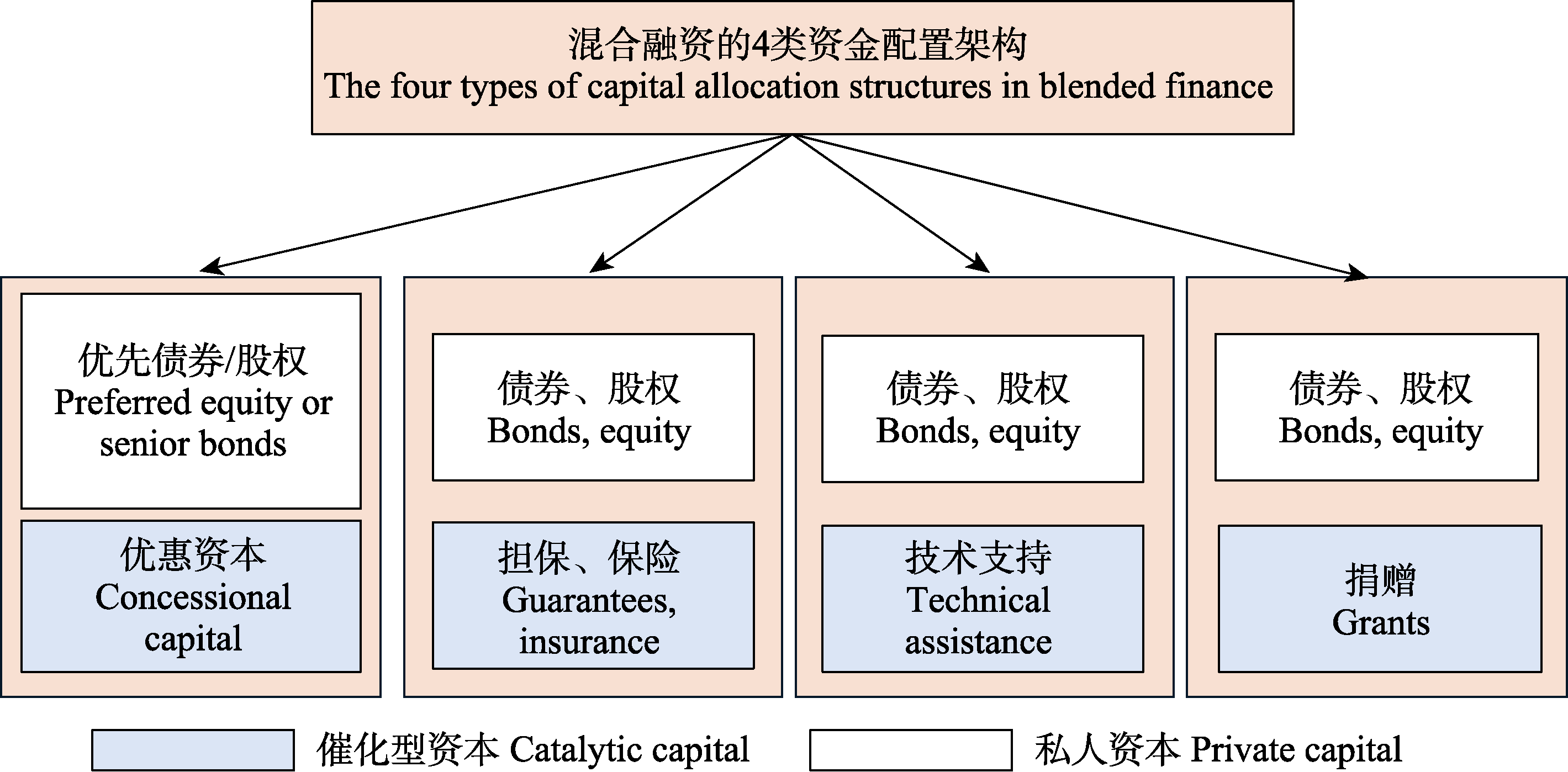
Fig. 1 The four types of capital allocation structures in blended finance
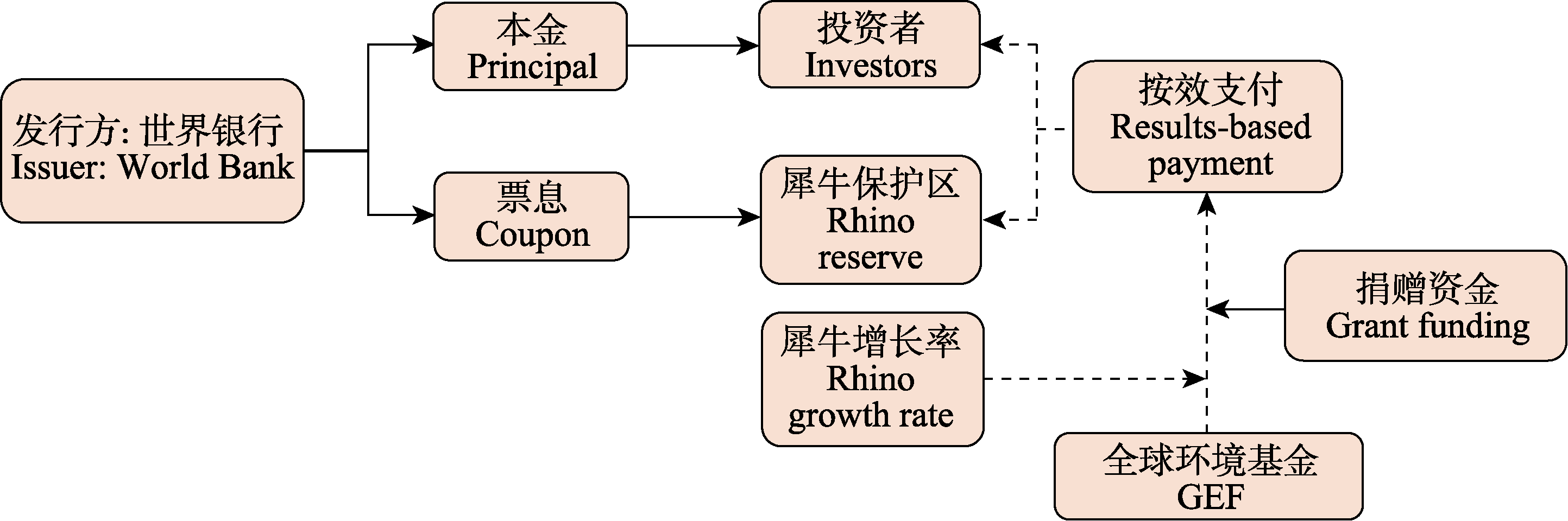
Fig. 2 Schematic diagram of the “rhino bond” mechanism. GEF, Global Environment Facility.
| [1] | An GJ, Yang N, Li YT (2024) Exploring diversified development paths of blended finance. China Finance, (21), 92-93. (in Chinese) |
| [安国俊, 杨楠, 李雅婷 (2024) 混合融资多元化发展路径探索. 中国金融, (21), 92-93.] | |
| [2] | Bai YW, Zeng JF (2024) The development status, challenges, and recommendations of the biodiversity bond market. China Bond, (10), 25-30. (in Chinese) |
| [白韫雯, 曾荐方 (2024) 生物多样性债券市场发展现状、挑战与建议. 债券, (10), 25-30.] | |
| [3] | Chen W (2021) EOD: An innovative model for implementing the “Two Mountains” concept. Environment Economy, (24), 12-21. (in Chinese) |
| [陈婉 (2021) EOD, 践行“两山”理念的模式创新. 环境经济, (24), 12-21.] | |
| [4] |
Cui CY, Hou YL, Wang TY, Wen YL (2022) Biodiversity conservation supported by finance: Global practice and policy enlightenment. Biodiversity Science, 30, 22326. (in Chinese with English abstract)
DOI |
|
[崔楚云, 侯一蕾, 王天一, 温亚利 (2022) 金融支持生物多样性保护: 全球实践及政策启示. 生物多样性, 30, 22326.]
DOI |
|
| [5] | Foreign Environmental Cooperation Center,Ministry of Ecology and Environment of China (2023) An Initial Study on Biodiversity Conservation Funding and Financial Mechanisms in China. (in Chinese) |
| [ 生态环境部对外合作与交流中心 (2023) 中国生物多样性保护资金投入与资金机制初探.] https://paulsoninstitute.org.cn/wp-content/uploads/2023/05/%E4%B8%AD%E5%9B%BD%E7%94%9F%E7%89%A9%E5%A4%9A%E6%A0%B7%E6%80%A7%E4%BF%9D%E6%8A%A4%E8%B5%84%E9%87%91%E6%8A%95%E5%85%A5%E4%B8%8E%E8%B5%84%E9%87%91%E6%9C%BA%E5%88%B6%E5%88%9D%E6%8E%A2%E6%89%A7%E8%A1%8C%E6%91%98%E8%A6%81_202305.pdf.(accessed on 2024-11-25) | |
| [6] | Gao XL, Zhang YK, Ma DC, Xu WH, Zheng H, Ouyang ZY (2022) The path to the key problems of the value realization of ecological products. Acta Ecologica Sinica, 42, 8184-8192. (in Chinese with English abstract) |
| [高晓龙, 张英魁, 马东春, 徐卫华, 郑华, 欧阳志云 (2022) 生态产品价值实现关键问题解决路径. 生态学报, 42, 8184-8192.] | |
| [7] | International Finance Corporation (IFC) (2023) Biodiversity Finance Reference Guide. (in Chinese) |
| [ 国际金融公司 (2023) 生物多样性金融参考指南.] https://www.ifc.org/content/dam/ifc/doc/mgrt/biodiversity-finance-reference-guide-cn.pdf. (accessed on 2025-03-01) | |
| [8] | International Institute of Green Finance, Central University of Finance and Economics (2023a) Progress and Prospects of Biodiversity Finance under COP28. (in Chinese) |
| [中央财经大学绿色金融国际研究院 (2023a) COP28会议下生物多样性金融的进展与展望.] https://mp.weixin.qq.com/s/hnsSQGu4vZuc1ctbkNBkVQ. (accessed on 2025-02-25) | |
| [9] | International Institute of Green Finance Central University of Finance and Economics (IIGF) (2023b) Exchanging Environmental Protection for National Debt Relief—An Analysis of the Debt-for-Nature Swap Mechanism. (in Chinese) |
| [中央财经大学绿色金融国际研究院 (2023b) 以保护自然环境换取国家债务减免——债务自然互换机制的应用分析.] https://iigf.cufe.edu.cn/info/1012/7540.htm. (accessed on 2025-03-01) | |
| [10] | International Institute of Green Finance Central University of Finance and Economics (IIGF) (2023c) A Brief Analysis of the Practice and Future Prospects of Sustainability-Linked Loans. (in Chinese) |
| [ 中央财经大学绿色金融国际研究院 (2023c) 浅析可持续发展挂钩贷款的产品实践及未来展望.] https://mp.weixin.qq.com/s/gfyGGtYibTrnSiu5rfFuSw. (accessed on 2025-03-01) | |
| [11] | Keenan R (2025) Habitat banks: How Law to Boost Wildlife in England is Faring One Year in. https://www.theguardian.com/us. (accessed on 2025-03-02) |
| [12] | Liu GY, Yan NY, Yang Q (2021) How ecological banks support biodiversity conservation: Theoretical challenges and international experiences. Gansu Finance, (12), 4-15. (in Chinese) |
| [刘耕源, 颜宁聿, 杨青 (2021) 生态银行如何支持生物多样性保护: 理论难点与国际经验. 甘肃金融, (12), 4-15.] | |
| [13] | Liu HY, Zhang HY, Feng J, Li YY, Zhang YB, Hao HG, Zhang Z (2024) Progress and countermeasure of biodiversity mainstreaming. Research of Environmental Sciences, 37, 2110-2117. (in Chinese with English abstract) |
| [刘海燕, 张惠远, 冯骥, 李圆圆, 张英博, 郝海广, 张哲 (2024) 生物多样性主流化进展与对策. 环境科学研究, 37, 2110-2117.] | |
| [14] | Mchenry MP (2009) Synergies between conventional soil organic carbon, farm productivity, soil sequestration and soil carbon market risk in Australia. In: No-till Farming: Effects on Soil, Pros and Cons, and Potential (ed. Nardali ET), pp. 93-110. Nova Science Publishers, Hauppauge, New York. |
| [15] | Peng X, Jin R (2022) Inspiration of world bank rhino bond on innovation of biodiversity conservation financing mode. Environmental Protection, 50(20), 74-75. (in Chinese) |
| [彭翔, 金芮 (2022) 世界银行“犀牛债”对创新生物多样性保护融资模式的启示. 环境保护, 50(20), 74-75.] | |
| [16] | Qiu CG, Yang LL, Zhou Y (2024) Protecting coral reefs through blended finance models. China Sustainability Tribune, (7), 42-44. (in Chinese) |
| [邱慈观, 杨露露, 周瑶 (2024) 以混合融资模式保护珊瑚礁. 可持续发展经济导刊, (7), 42-44.] | |
| [17] | Ren Y, Liu W (2014) Research on market-oriented ecological compensation mechanism and transaction cost. Finance and Accounting Monthly, (11), 109-112. (in Chinese) |
| [任毅, 刘薇 (2014) 市场化生态补偿机制与交易成本研究. 财会月刊, (11), 109-112.] | |
| [18] | Rong DM (2020) Enlightenment of U.S. wetland mitigation banking system on eco-compensation in China. Natural Resource Economics of China, 33(8), 65-69. (in Chinese with English abstract) |
| [荣冬梅 (2020) 美国湿地缓解银行制度对我国生态补偿的启示. 中国国土资源经济, 33(8), 65-69.] | |
| [19] | SMBC (Sumitomo Mitsui Banking Corporation) (2024) Mobilizing Finance for Nature-based Solutions: New Business Opportunities & Capital Flows.https://www.smbc.co.jp/asia/insights/mobilizing-finance-for-nature-based-solutions.pdf. (accessed on 2025-03-02) |
| [20] | Sun SG, Xia CB, Ding ZH (2024) Progress and measures for commercial banks to support biodiversity conservation. Finance Forum, (6), 48-53. (in Chinese) |
| [孙曙光, 夏彩波, 丁宗红 (2024) 商业银行支持生物多样性保护的进展与推进措施. 金融纵横, (6), 48-53.] | |
| [21] | Tang MZ, Yu KL, Zhong XQ, Huang SS (2024) International experience and enlightenment of financial support for biodiversity protection. Fujian Finance, (5), 62-70. (in Chinese) |
| [唐明知, 余坤莲, 钟贤谦, 黄森燊 (2024) 金融支持生物多样性保护的国际经验及启示. 福建金融, (5), 62-70.] | |
| [22] |
Theis S, Castellanos-Acuña D, Hamann A, Poesch M (2022) Exploring the potential of habitat banking in preserving freshwater biodiversity and imperiled species. Biological Conservation, 273, 109700.
DOI URL |
| [23] | Wang M (2021) International practices of sustainable development loans and their implications for improving China’s green financial instruments. International Finance, (12), 16-22. (in Chinese) |
| [王曼 (2021) 可持续发展贷款的国际实践及对完善我国绿色金融工具的启示. 国际金融, (12), 16-22.] | |
| [24] | Yuan JW (2023a) Biodiversity Finance: Innovative Approaches and Pathways. (in Chinese) |
| [袁吉伟 (2023a) 生物多样性金融创新方式和路径.] https://mp.weixin.qq.com/s/HOLucFpfI3-jrbthnNzdkA. (accessed on 2025-02-28) | |
| [25] | Yuan JW (2023b) Research on biodiversity risk assessment and measurement by financial institutions. International Finance, (8), 35-42. (in Chinese) |
| [袁吉伟 (2023b) 金融机构生物多样性风险评估和测量研究. 国际金融, (8), 35-42.] | |
| [26] | Zhu D, Liu ZZ, Ji FX (2025) Logical thinking, institutional arrangement, and path for solving the financing difficulties in realizing the value of ecological products: From the perspective of specific geographic units. Economic Review Journal, (1), 110-119. (in Chinese with English abstract) |
| [朱丹, 刘兆璋, 吉富星 (2025) 破解生态产品价值实现融资难题的逻辑思路、制度安排与推进路径——基于特定地域单元视角. 经济纵横, (1), 110-119.] | |
| [27] | Zhu JY, Liu B (2025) How do commercial banks promote science and technology innovation finance?—Theoretical logic, practical experience and development proposals. Southwest Finance, (3), 60-75. (in Chinese with English abstract) |
| [朱靖宇, 刘标 (2025) 商业银行如何助力科创金融?——理论逻辑、实践经验和发展建议. 西南金融, (3), 60-75.] |
| Viewed | ||||||
|
Full text |
|
|||||
|
Abstract |
|
|||||
Copyright © 2026 Biodiversity Science
Editorial Office of Biodiversity Science, 20 Nanxincun, Xiangshan, Beijing 100093, China
Tel: 010-62836137, 62836665 E-mail: biodiversity@ibcas.ac.cn

