

Biodiv Sci ›› 2025, Vol. 33 ›› Issue (11): 24574. DOI: 10.17520/biods.20224574 cstr: 32101.14.biods.2024574
• Technology and Methodology • Next Articles
Yixiu Kou1,2, Zhaohong Weng1,2,*( ), Fenfen Ji1,2,*(), Kit Yue Kwan1,2, Yangjie Xie1,2, Jiaqiao Wang1,2, Hangzhao Pan1,2, Yunting Zhao1,2, Kun Ye1,2
Received:2024-12-19
Accepted:2025-07-21
Online:2025-11-20
Published:2025-12-26
Contact:
Zhaohong Weng, Fenfen Ji
Supported by:Yixiu Kou, Zhaohong Weng, Fenfen Ji, Kit Yue Kwan, Yangjie Xie, Jiaqiao Wang, Hangzhao Pan, Yunting Zhao, Kun Ye. Applications of environmental DNA techniques in monitoring endangered aquatic animals[J]. Biodiv Sci, 2025, 33(11): 24574.
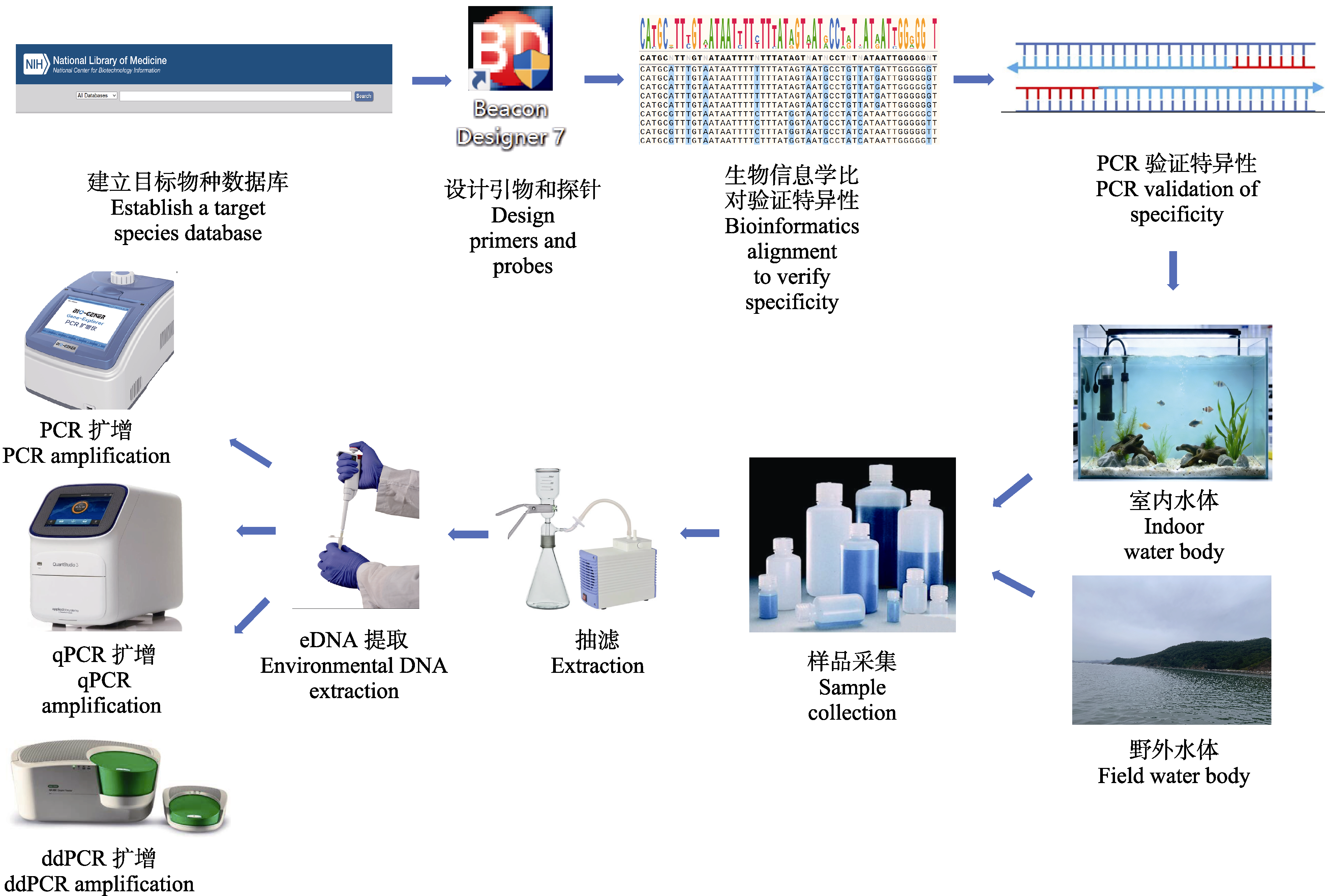
Fig. 1 Flowchart of eDNA monitoring technology for aquatic endangered animals
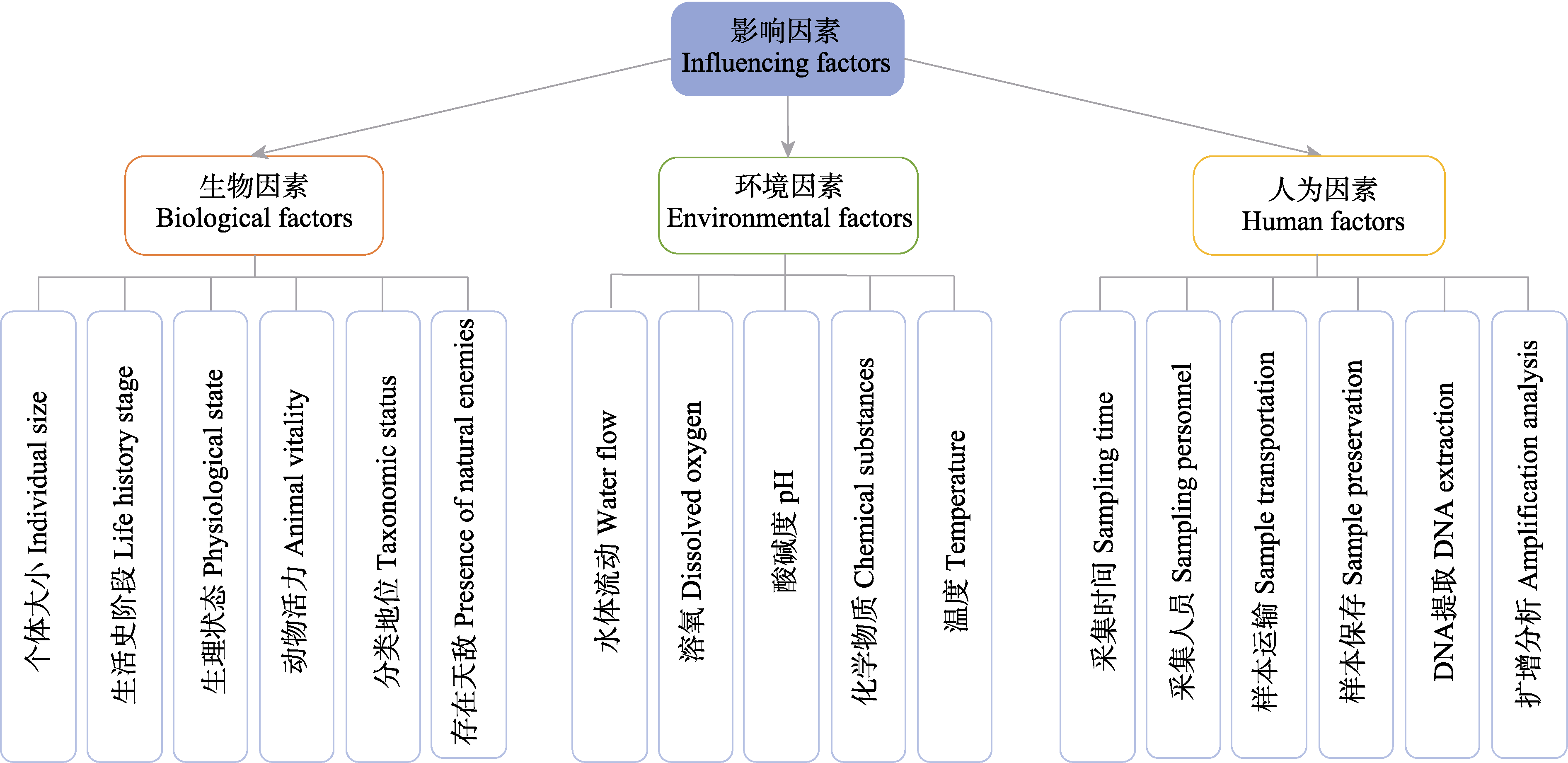
Fig. 2 Factors influencing the accuracy of eDNA technology
| [1] | Akamatsu Y, Gen KM, Gotou M, Kono T, Fujii T, Inui R, Kurita Y (2020) Using environmental DNA analyses to assess the occurrence and abundance of the endangered amphidromous fish Plecoglossus altivelis ryukyuensis. Biodiversity Data Journal, 8, e39679. |
| [2] |
Balasingham KD, Walter RP, Mandrak NE, Heath DD (2018) Environmental DNA detection of rare and invasive fish species in two Great Lakes tributaries. Molecular Ecology, 27, 112-127.
DOI PMID |
| [3] |
Basso A, Paolini V, Ghia D, Fea G, Toson M, Pretto T (2023) Cuticular swabs and eDNA as non-invasive sampling techniques to monitor Aphanomyces astaci in endangered white-clawed crayfish (Austropotamobius pallipes complex). Diversity, 15, 279.
DOI URL |
| [4] |
Bedwell ME, Hopkins KVS, Dillingham C, Goldberg CS (2021) Evaluating Sierra Nevada yellow-legged frog distribution using environmental DNA. The Journal of Wildlife Management, 85, 945-952.
DOI URL |
| [5] |
Beng KC, Corlett RT (2020) Applications of environmental DNA (eDNA) in ecology and conservation: Opportunities, challenges and prospects. Biodiversity and Conservation, 29, 2089-2121.
DOI |
| [6] |
Bonfil R, Díaz-Jaimes P, Palacios-Barreto P, Vargas MOU, Ricaño-Soriano M (2024) Improved eDNA assay evidences further refugia for critically endangered smalltooth sawfish (Pristis pectinata) in Mexico. Frontiers in Marine Science, 11, 1290661.
DOI URL |
| [7] |
Budd AM, Cooper MK, Le Port A, Schils T, Mills MS, Deinhart ME, Huerlimann R, Strugnell JM (2021) First detection of critically endangered scalloped hammerhead sharks (Sphyrna lewini) in Guam, Micronesia, in five decades using environmental DNA. Ecological Indicators, 127, 107649.
DOI URL |
| [8] |
Bylemans J, Furlan EM, Hardy CM, McGuffie P, Lintermans M, Gleeson DM (2017) An environmental DNA-based method for monitoring spawning activity: A case study, using the endangered Macquarie perch (Macquaria australasica). Methods in Ecology and Evolution, 8, 646-655.
DOI URL |
| [9] | Coster SS, Dillon MN, Moore W, Merovich GT Jr (2021) The update and optimization of an eDNA assay to detect the invasive rusty crayfish (Faxonius rusticus). PLoS ONE, 16, e0259084. |
| [10] |
Cowart DA, Breedveld KGH, Ellis MJ, Hull JM, Larson ER (2018) Environmental DNA (eDNA) applications for the conservation of imperiled crayfish (Decapoda: Astacidea) through monitoring of invasive species barriers and relocated populations. Journal of Crustacean Biology, 38, 257-266.
DOI URL |
| [11] | de Souza LS, Godwin JC, Renshaw MA, Larson E (2016) Environmental DNA (eDNA) detection probability is influenced by seasonal activity of organisms. PLoS ONE, 11, e0165273. |
| [12] | Deiner K, Walser JC, Mächler E, Altermatt F (2015) Choice of capture and extraction methods affect detection of freshwater biodiversity from environmental DNA. Biological Conservation, 183, 53-63. |
| [13] | Diao CY, Wang W, Xian WW, Zhang H (2022) Role of the environmental DNA technology application in the biomass assessment of the fishery resource: Current status and future perpectives. Marine Sciences, 46(2), 135-144. (in Chinese with English abstract) |
| [ 刁曹鋆, 王闻, 线薇薇, 张辉 (2022) 环境DNA技术在渔业资源生物量评估中的研究进展: 现状与展望. 海洋科学, 46(2), 135-144.] | |
| [14] |
Dimond JL, Gathright BR, Bouma JV, Carson HS, Sowul K (2022) Detecting endangered pinto abalone (Haliotis kamtschatkana) using environmental DNA: Comparison of ddPCR, qPCR, and conventional diver surveys. Environmental DNA, 4, 1397-1406.
DOI URL |
| [15] |
E ZX, Luo P, Ren CH, Cheng CH, Pan WJ, Jiang X, Jiang FJ, Ma B, Yu SZ, Zhang X, Chen T, Hu CQ (2023) Applications of environmental DNA (eDNA) in monitoring the endangered status and evaluating the stock enhancement effect of tropical sea cucumber Holothuria scabra. Marine Biotechnology, 25, 778-789.
DOI PMID |
| [16] |
Erickson RA, Merkes CM, Mize EL (2019) Sampling designs for landscape-level eDNA monitoring programs. Integrated Environmental Assessment and Management, 15, 760-771.
DOI PMID |
| [17] | Ernetti JR, Lopes CM, Ribeiro LP, De Bastiani VIM, Lucas EM, Toledo LF (2024) Environmental DNA survey does not detect additional populations of a critically endangered leaf frog, but reveal another threat to the species. Journal for Nature Conservation, 78, e126572. |
| [18] |
Farley NJ, Vasquez AA, Kik IVR, David SR, Katailiha AS, Walker XN, Ram JL (2018) Primer designs for identification and eDNA detection of gars (Lepisosteidae). Transactions of the American Fisheries Society, 147, 687-695.
DOI URL |
| [19] |
Faure N, Manel S, Macé B, Arnal V, Guellati N, Holon F, Barroil A, Pichot F, Riutort JJ, Insacco G, Zava B, Mouillot D, Deter J (2023) An environmental DNA assay for the detection of critically endangered angel sharks (Squatina spp.). Aquatic Conservation: Marine and Freshwater Ecosystems, 33, 1088-1097.
DOI URL |
| [20] |
Furlan EM, Gleeson D (2017) Improving reliability in environmental DNA detection surveys through enhanced quality control. Marine and Freshwater Research, 68, 388.
DOI URL |
| [21] |
Furlan EM, Gleeson D, Hardy CM, Duncan RP (2016) A framework for estimating the sensitivity of eDNA surveys. Molecular Ecology Resources, 16, 641-654.
DOI PMID |
| [22] |
Goldberg CS, Turner CR, Deiner K, Klymus KE, Thomsen PF, Murphy MA, Spear SF, McKee A, Oyler-McCance SJ, Cornman RS, Laramie MB, Mahon AR, Lance RF, Pilliod DS, Strickler KM, Waits LP, Fremier AK, Takahara T, Herder JE, Taberlet P (2016) Critical considerations for the application of environmental DNA methods to detect aquatic species. Methods in Ecology and Evolution, 7, 1299-1307.
DOI URL |
| [23] | Guri G, Ray JL, Shelton AO, Kelly RP, Præbel K, Allan EA, Yoccoz N, Johansen T, Wangensteen OS, Hanebrekke T, Westgaard JI (2024) Quantifying the detection sensitivity and precision of qPCR and ddPCR mechanisms for eDNA samples. Ecology and Evolution, 14, e70678. |
| [24] | Hallyburton S, Stark W (2023) Increasing detection sensitivity for rare and endangered species in Kansas through development of an aquatic environmental DNA sampling protocol. Transactions of the Kansas Academy of Science, 126(1-2), 102-114. |
| [25] |
Hansen BK, Bekkevold D, Clausen LW, Nielsen EE (2018) The sceptical optimist: Challenges and perspectives for the application of environmental DNA in marine fisheries. Fish and Fisheries, 19, 751-768.
DOI URL |
| [26] | Harrison JB, Sunday JM, Rogers SM (2019) Predicting the fate of eDNA in the environment and implications for studying biodiversity. Proceedings of the Royal Society B: Biological Sciences, 286, e20191409. |
| [27] |
Hollingsworth EW, Liu TA, Alcantara JA, Chen CX, Jacinto SH, Kvon EZ (2025) Rapid and quantitative functional interrogation of human enhancer variant activity in live mice. Nature Communications, 16, 409.
DOI |
| [28] |
Horiuchi T, Masuda R, Murakami H, Yamamoto S, Minamoto T (2019) Biomass-dependent emission of environmental DNA in jack mackerel Trachurus japonicus juveniles. Journal of Fish Biology, 95, 979-981.
DOI PMID |
| [29] | Itakura H, Wakiya R, Sakata MK, Hsu HY, Chen SC, Yang CC, Huang YC, Han YS, Yamamoto S, Minamoto T (2020) Estimations of riverine distribution, abundance, and biomass of anguillid eels in Japan and Taiwan using environmental DNA analysis. Zoological Studies, 59, e17. |
| [30] | IUCN Red List (2023) The IUCN Red List of Threatened Species. Version 2025- 2. https://www.iucnredlist.org. (accessed on 2024-12-01) |
| [31] |
Jeffers VF, Godley BJ (2016) Satellite tracking in sea turtles: How do we find our way to the conservation dividends? Biological Conservation, 199, 172-184.
DOI URL |
| [32] |
Jo T, Murakami H, Yamamoto S, Masuda R, Minamoto T (2019) Effect of water temperature and fish biomass on environmental DNA shedding, degradation, and size distribution. Ecology and Evolution, 9, 1135-1146.
DOI URL |
| [33] |
Karlsson E, Ogonowski M, Sundblad G, Sundin J, Svensson O, Nousiainen I, Vasemägi A (2022) Strong positive relationships between eDNA concentrations and biomass in juvenile and adult pike (Esox lucius) under controlled conditions: Implications for monitoring. Environmental DNA, 4, 881-893.
DOI URL |
| [34] |
Kasai A, Yamazaki A, Ahn H, Yamanaka H, Kameyama S, Masuda R, Azuma N, Kimura S, Karaki T, Kurokawa Y, Yamashita Y (2021) Distribution of Japanese eel Anguilla japonica revealed by environmental DNA. Frontiers in Ecology and Evolution, 9, 621461.
DOI URL |
| [35] |
Klymus KE, Merkes CM, Allison MJ, Goldberg CS, Helbing CC, Hunter ME, Jackson CA, Lance RF, Mangan AM, Monroe EM, Piaggio AJ, Stokdyk JP, Wilson CC, Richter CA (2020) Reporting the limits of detection and quantification for environmental DNA assays. Environmental DNA, 2, 271-282.
DOI URL |
| [36] |
Laramie MB, Pilliod DS, Goldberg CS (2015) Characterizing the distribution of an endangered salmonid using environmental DNA analysis. Biological Conservation, 183, 29-37.
DOI URL |
| [37] | Li B, Feng X, Zhu R, Sui XY, Jia YT, Chen YF (2024) Detection and biomass assessment of Schizopygopsis younghusbandi younghusbandi based on environmental DNA in the middle reach of Yarlung Zangbo River. Journal of Hydroecology, 45(2), 84-91. (in Chinese with English abstract) |
| [ 李冰, 冯秀, 朱仁, 隋晓云, 贾银涛, 陈毅峰 (2024) 雅鲁藏布江中游拉萨裸裂尻鱼环境DNA检测及生物量评估. 水生态学杂志, 45(2), 84-91.] | |
| [38] | Li M, Shan XJ, Wang WJ, Lü D, Dai FQ, Ding XS, Wu HH (2019) Establishment and optimization of environmental DNA detection techniques for assessment of Fenneropenaeus chinensis biomass. Progress in Fishery Sciences, 40(1), 12-19. (in Chinese with English abstract) |
| [ 李苗, 单秀娟, 王伟继, 吕丁, 戴芳群, 丁小松, 吴欢欢 (2019) 中国对虾生物量评估的环境DNA检测技术的建立及优化. 渔业科学进展, 40(1), 12-19.] | |
| [39] |
Lines R, Juggernauth M, Peverley G, Keating J, Simpson T, Mousavi-Derazmahalleh M, Bunce M, Berry TE, Taysom A, Bernardino AF, Whittle P (2023) A large scale temporal and spatial environmental DNA biodiversity survey of marine vertebrates in Brazil following the Fundão tailings dam failure. Marine Environmental Research, 192, 106239.
DOI URL |
| [40] |
Mabuchi K, Nishida K (2020) A DNA mini-barcoding system for endangered unionid mussels in the Lake Biwa system in Japan. Conservation Genetics Resources, 12, 581-584.
DOI |
| [41] |
Manfrin C, Zanetti M, Stanković D, Fattori U, Bertucci- Maresca V, Giulianini PG, Pallavicini A (2022) Detection of the endangered stone crayfish Austropotamobius torrentium (Schrank, 1803) and its congeneric A. pallipes in its last Italian biotope by eDNA analysis. Diversity, 14, 205.
DOI URL |
| [42] | Maruyama A, Nakamura K, Yamanaka H, Kondoh M, Minamoto T (2019) Correction: The release rate of environmental DNA from juvenile and adult fish. PLoS ONE, 14, e0212145. |
| [43] |
Mavropoulou AM, Vervatis V, Sofianos S (2020) Dissolved oxygen variability in the Mediterranean Sea. Journal of Marine Systems, 208, 103348.
DOI URL |
| [44] |
Mizumoto H, Urabe H, Kanbe T, Fukushima M, Araki H (2018) Establishing an environmental DNA method to detect and estimate the biomass of Sakhalin taimen, a critically endangered Asian salmonid. Limnology, 19, 219-227.
DOI |
| [45] | Nagarajan RP, Sanders L, Kolm N, Perez A, Senegal T, Mahardja B, Baerwald MR, Schreier AD (2024) CRISPR-based environmental DNA detection for a rare endangered estuarine species. Environmental DNA, 6, e506. |
| [46] | Nordstrom B, Mitchell N, Byrne M, Jarman S (2022) A review of applications of environmental DNA for reptile conservation and management. Ecology and Evolution, 12, e8995. |
| [47] |
Otsuki K, Hamada M, Koizumi N, Sakamoto T, Nakata K (2023) Quantitative PCR method to detect an extremely endangered bitterling fish (Rhodeus atremius suigensis) using environmental DNA. Landscape and Ecological Engineering, 19, 79-86.
DOI |
| [48] |
Pilliod DS, Goldberg CS, Arkle RS, Waits LP (2013) Estimating occupancy and abundance of stream amphibians using environmental DNA from filtered water samples. Canadian Journal of Fisheries and Aquatic Sciences, 70, 1123-1130.
DOI URL |
| [49] |
Pourmoghadam MN, Poorbagher H, de Oliveira FJM, Jafari O (2019) Diazinon negatively affects the integrity of environmental DNA stability: A case study with common carp (Cyprinus carpio). Environmental Monitoring and Assessment, 191, 672.
DOI PMID |
| [50] | Qin CX, Zuo T, Yu G, Zhou WL, Li CH (2020) Advances in research of environmental DNA (eDNA) in biomass assessment of aquatic ecosystems. South China Fisheries Science, 16(5), 123-128. (in Chinese with English abstract) |
| [ 秦传新, 左涛, 于刚, 周文礼, 李纯厚 (2020) 环境DNA在水生生态系统生物量评估中的研究进展. 南方水产科学, 16(5), 123-128.] | |
| [51] |
Renshaw MA, Olds BP, Jerde CL, McVeigh MM, Lodge DM (2015) The room temperature preservation of filtered environmental DNA samples and assimilation into a phenol-chloroform-isoamyl alcohol DNA extraction. Molecular Ecology Resources, 15, 168-176.
DOI PMID |
| [52] | Riascos-Flores LR, Bonilla J, Naranjo-Briceño L, Apunte- Ramos K, Reyes-Ortega GC, Cabrera M, Cáceres-Andrade JF, Carrera-Gonzalez A, Yánez-Galarza JK, Siavichay Pesántez F, Oyagata-Cachimuel LA, Goethals P, Celi J, Van der Heyden C, Ortega-Andrade HM (2024) Field-based molecular detection of Batrachochytrium dendrobatidis in critically endangered Atelopus toads and aquatic habitats in Ecuador. PLoS ONE, 19, e0299246. |
| [53] |
Salter I, Joensen M, Kristiansen R, Steingrund P, Vestergaard P (2019) Environmental DNA concentrations are correlated with regional biomass of Atlantic cod in oceanic waters. Communications Biology, 2, 461.
DOI PMID |
| [54] |
Sassoubre LM, Yamahara KM, Gardner LD, Block BA, Boehm AB (2016) Quantification of environmental DNA (eDNA) shedding and decay rates for three marine fish. Environmental Science & Technology, 50, 10456-10464.
DOI URL |
| [55] |
Schweiss KE, Lehman RN, Drymon JM, Phillips NM (2020) Development of highly sensitive environmental DNA methods for the detection of Bull Sharks, Carcharhinus leucas (Müller and Henle, 1839), using Droplet Digital™ PCR. Environmental DNA, 2, 3-12.
DOI URL |
| [56] | Senapati D, Bhattacharya M, Kar A, Chini DS, Das BK, Patra BC (2019) Environmental DNA (eDNA): A promising biological survey tool for aquatic species detection. Proceedings of the Zoological Society, 72, 211-228. |
| [57] |
Thomsen PF, Willerslev E (2015) Environmental DNA—An emerging tool in conservation for monitoring past and present biodiversity. Biological Conservation, 183, 4-18.
DOI URL |
| [58] |
Troth CR, Sweet MJ, Nightingale J, Burian A (2021) Seasonality, DNA degradation and spatial heterogeneity as drivers of eDNA detection dynamics. Science of the Total Environment, 768, 144466.
DOI URL |
| [59] |
Uchii K, Wakimura K, Kikko T, Yonekura R, Kawaguchi R, Komada H, Yamanaka H, Kenzaka T, Tani K (2022) Environmental DNA monitoring method of the commercially important and endangered fish Gnathopogon caerulescens. Limnology, 23, 49-56.
DOI |
| [60] | Wei N, Wang XH, Zhang CP (2021) Application of environmental DNA in monitoring surface sediment and its relationship to environment variables. Chinese Journal of Environmental Engineering, 14, 2262-2269. (in Chinese with English abstract) |
| [ 魏楠, 王夏晖, 张春鹏 (2021) 环境DNA在监测表层沉积物中的运用及其与环境变量的关系. 环境工程学报, 14, 2262-2269.] | |
| [61] |
Xu N, Zhu B, Shi F, Shao K, Que YF, Li WT, Li W, Jiao WJ, Tian H, Xu DM, Chang JB (2018) Monitoring seasonal distribution of an endangered anadromous sturgeon in a large river using environmental DNA. The Science of Nature, 105, 62.
DOI |
| [62] |
Yates MC, Glaser DM, Post JR, Cristescu ME, Fraser DJ, Derry AM (2021) The relationship between eDNA particle concentration and organism abundance in nature is strengthened by allometric scaling. Molecular Ecology, 30, 3068-3082.
DOI URL |
| [63] |
Zulkefli NS, Kim KH, Hwang SJ (2019) Effects of microbial activity and environmental parameters on the degradation of extracellular environmental DNA from a eutrophic lake. International Journal of Environmental Research and Public Health, 16, 3339.
DOI URL |
| [1] | Ziling Yan, Xiaoyu Chen, Meng Yao. A comparative evaluation of bioinformatic pipelines for invertebrate biodiversity profiling via environmental DNA metabarcoding [J]. Biodiv Sci, 2026, 34(1): 25369-. |
| [2] | Yun’ao Li, Wenfu Zhang, Guigang Zhao, Chunyan Yang, Xiangqing Chen, Shengdong Yuan, Min Cao, Wang Cai, Jie Yang. Application of airborne eDNA for terrestrial animal diversity monitoring: A case study of 20-ha forest dynamics plot in Xishuangbanna, Yunnan, China [J]. Biodiv Sci, 2025, 33(6): 24318-. |
| [3] | Wen Peng, Zeshuai Deng, Wenbao Zheng, Lingxuan Gong, Yufeng Zeng, Hao Meng, Jun Chen, Daode Yang. Application of eDNA technology in amphibian surveys: A case study of Hunan Mangshan National Nature Reserve [J]. Biodiv Sci, 2025, 33(6): 24552-. |
| [4] | Yihui Jiang, Yue Liu, Xu Zeng, Zheying Lin, Nan Wang, Jihao Peng, Ling Cao, Cong Zeng. Fish diversity and connectivity in six national marine protected areas in the East China Sea [J]. Biodiv Sci, 2024, 32(6): 24128-. |
| [5] | Zhiyuan Dong, Linlin Chen, Naipeng Zhang, Li Chen, Debin Sun, Yanmei Ni, Baoquan Li. Response of fish diversity to hydrological connectivity of typical tidal creek system in the Yellow River Delta based on environmental DNA metabarcoding [J]. Biodiv Sci, 2023, 31(7): 23073-. |
| [6] | Miao Li, Chenyang Yao, Xiaoyong Chen. Application of environmental RNA technology in aquatic biological monitoring [J]. Biodiv Sci, 2023, 31(5): 23062-. |
| [7] | Chufei Tang, Cheng Ge, Ye Cao, Hongyi Cao, Xiaoxiao Song, Huaijian Liao. Insect diversity in different stand types of urban forest: A case study at the southern foot of Zijin Mountain, Nanjing [J]. Biodiv Sci, 2023, 31(2): 22357-. |
| [8] | Ruixia Ma, Yili Guo, Dongxing Li, Bin Wang, Wusheng Xiang, Fuzhao Huang, Fang Lu, Shujun Wen, Jianxing Li, Shuhua Lu, Xiankun Li. Spatial distribution pattern and mechanism of sapling regeneration in karst seasonal rainforest in southwestern Guangxi [J]. Biodiv Sci, 2023, 31(2): 22251-. |
| [9] | Wencong Liu, Xi Tian, Tao Yang, Jiesheng Rao, Xiaofeng Wang, Hengjun Qian, Mengling Tu, Ziming Shan, Xiaokun Ou, Zehao Shen. Population structure and regeneration characteristics of dominant tree species in a semi-humid evergreen broad-leaved forest in the Jizu Mountains, Yunnan [J]. Biodiv Sci, 2023, 31(11): 23251-. |
| [10] | Li Yiyuan, C. Molik David, E. Pfrender Michael. EPPS, a metabarcoding bioinformatics pipeline using Nextflow [J]. Biodiv Sci, 2019, 27(5): 567-575. |
| [11] | Xuemeng Hong, Xinyu Ge, Junlan Li. Butterfly diversity and its influencing factors in Saihanwula Nature Reserve [J]. Biodiv Sci, 2018, 26(6): 590-600. |
| [12] | Qi Ling, Yanping Wang, Li Wang, Ying Shu, Yong Tao, Lining Bao. Distribution of airborne fungi concentration in Hefei City, Anhui [J]. Biodiv Sci, 2008, 16(2): 175-180. |
| Viewed | ||||||
|
Full text |
|
|||||
|
Abstract |
|
|||||
Copyright © 2026 Biodiversity Science
Editorial Office of Biodiversity Science, 20 Nanxincun, Xiangshan, Beijing 100093, China
Tel: 010-62836137, 62836665 E-mail: biodiversity@ibcas.ac.cn

