

Biodiv Sci ›› 2026, Vol. 34 ›› Issue (8): 26078. DOI: 10.17520/biods.2026078 cstr: 32101.14.biods.2026078
• Conservation and Governance • Previous Articles Next Articles
Zhou Shen1,3( ), Haiwei Yin1,2,3,*()(
 ), Fanhua Kong4, Shuping Huang2, Hongqing Liu4, Zikang Su1,3, Jiehui Zhang5
Received:2026-03-09
Accepted:2026-06-07
Online:2026-08-20
Published:2026-10-21
Contact:
*E-mail: qzyinhaiwei@163.com
Supported by:Zhou Shen, Haiwei Yin, Fanhua Kong, Shuping Huang, Hongqing Liu, Zikang Su, Jiehui Zhang. Surrogate species approach in urban-rural ecological spatial governance: Cognitive reconstruction, path embedding, and implementation framework[J]. Biodiv Sci, 2026, 34(8): 26078.
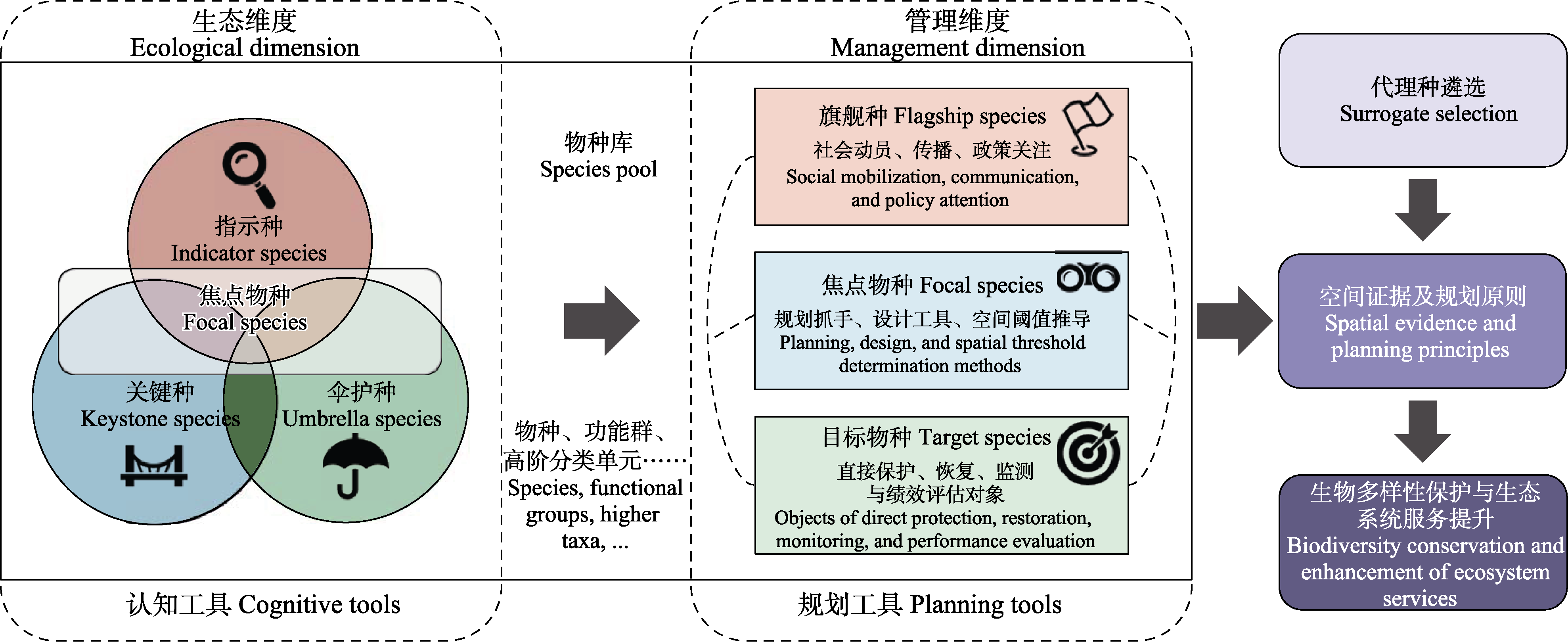
Fig. 1 Ecological-managerial dual-dimensional framework of surrogate species
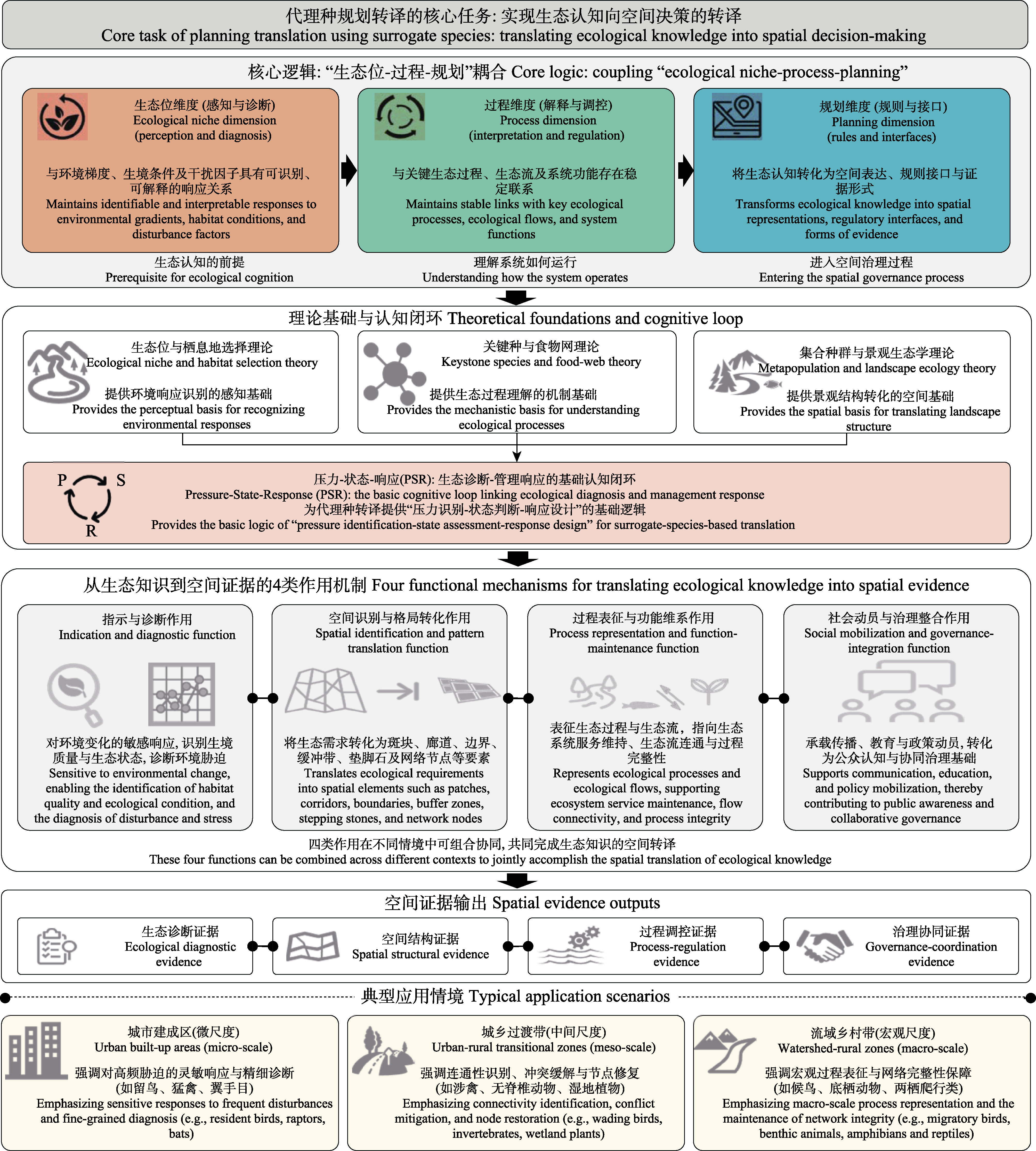
Fig. 2 Planning translation logic of surrogate species from ecological knowledge to spatial evidence
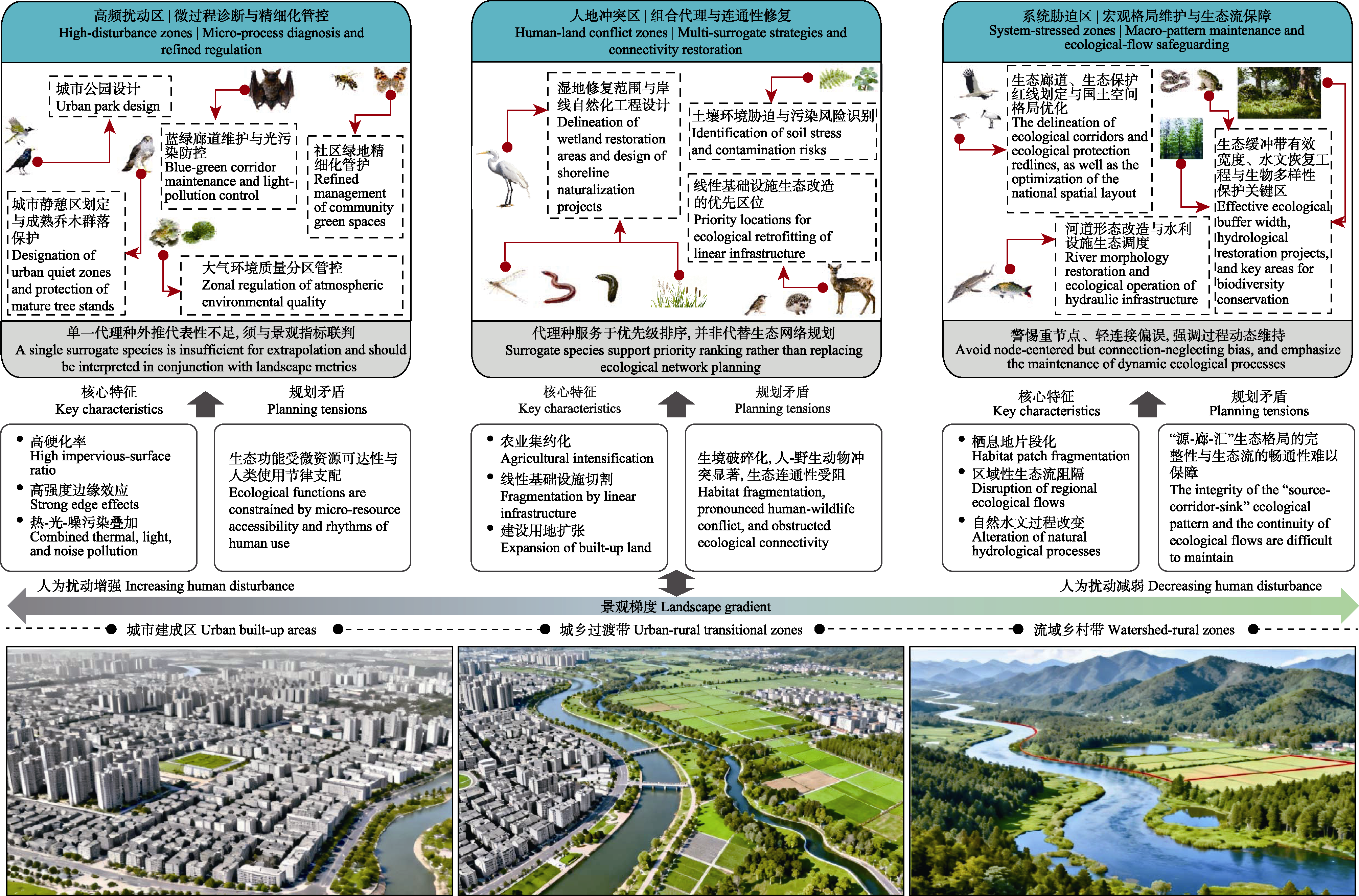
Fig. 3 Typical scenarios of planning translation of surrogate species in urban-rural ecological spatial governance
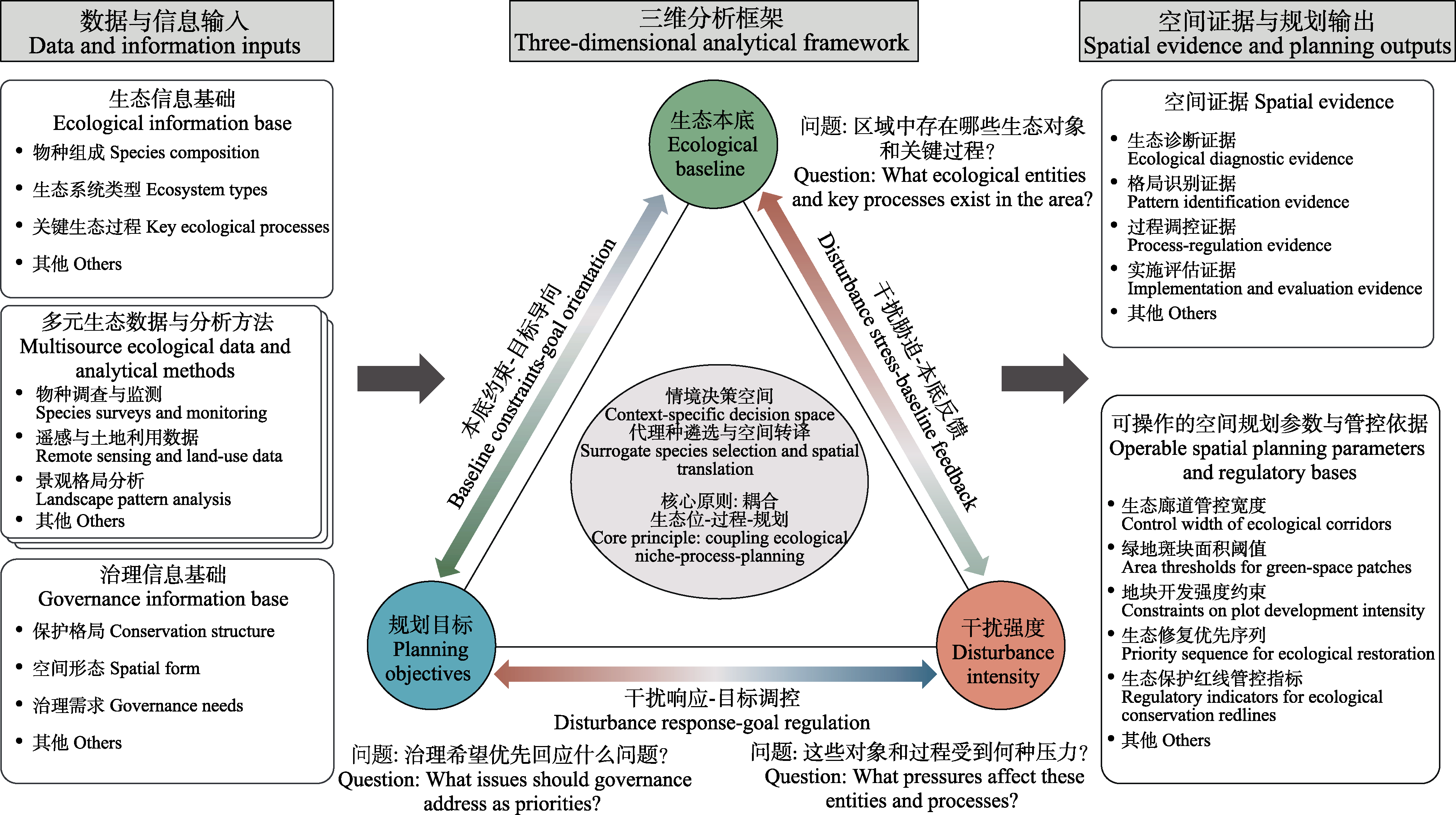
Fig. 4 Three-dimensional analytical framework for spatial translation of surrogate species: ecological baseline, disturbance intensity, and planning objectives
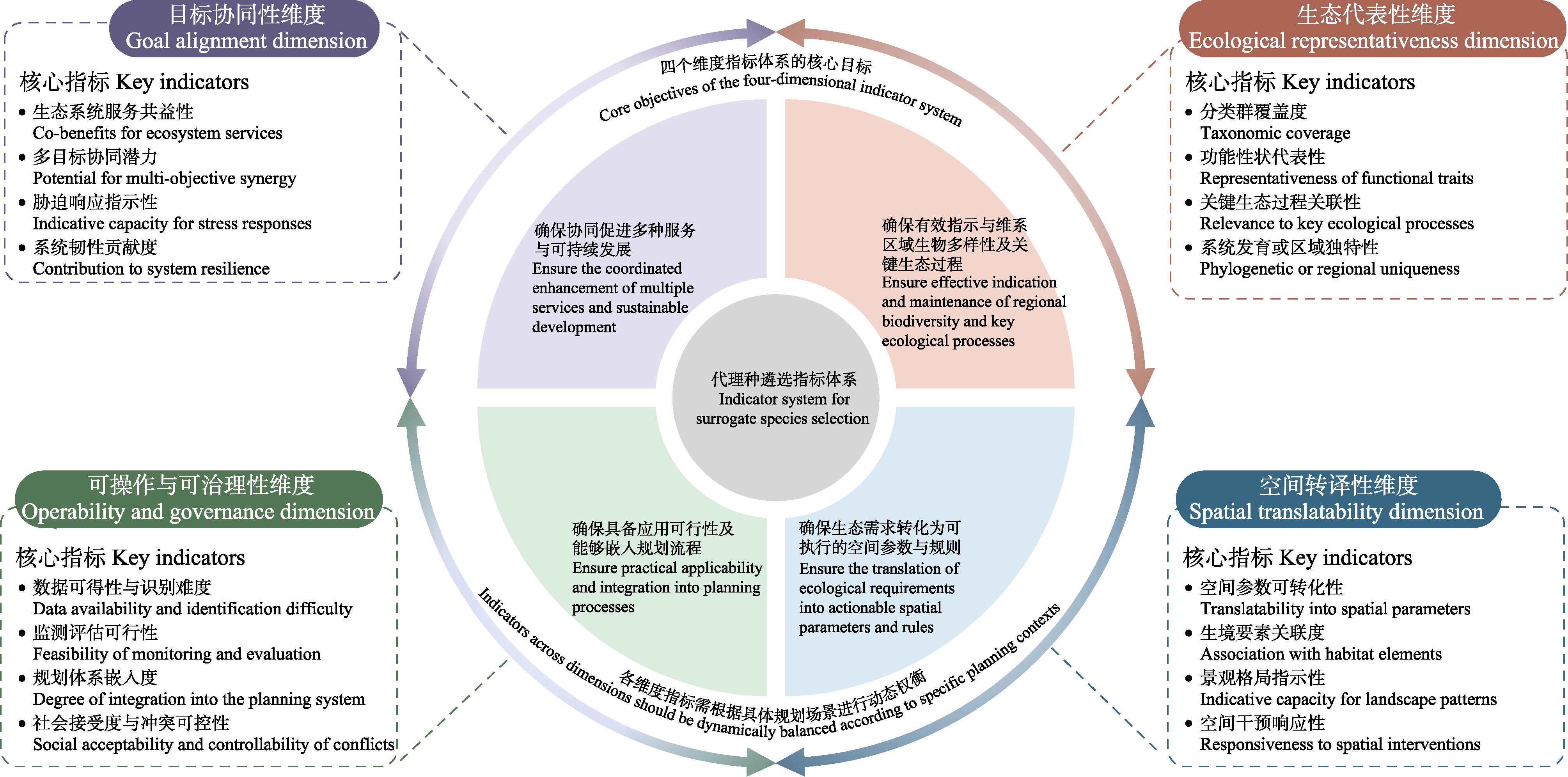
Fig. 5 Framework of surrogate species selection criteria for territorial spatial planning
| 规划类型 Planning type | 主要传导环节 Main transmission stage | 支撑方式 Modes of support | 典型规划成果 Typical planning outputs |
|---|---|---|---|
| 总体规划(市县级) Master plan (city/county level) | 格局识别与空间统筹 Pattern identification and spatial coordination | 以前期识别支撑区域空间秩序判断、优先区统筹与底线控制 Using preliminary identification to support regional spatial order assessment, priority area coordination, and bottom-line control | 生态空间格局优化、重点保护区域、修复优先区及开发边界协调 Ecological spatial pattern optimization, key conservation areas, restoration priority areas, and development boundary coordination |
| 详细规划 Detailed plan | 规则生成与参数控制 Rule generation and parameter control | 以生态需求支撑图则控制参数、导则要求和空间设计约束生成 Using ecological requirements to inform the formulation of regulatory parameters in detailed planning drawings, planning guidelines, and spatial design constraints | 绿地规模与间距、滨水缓冲宽度、通道节点布设、夜光/噪声控制要求 Green space scale and spacing, waterfront buffer width, corridor node layout, nighttime light/noise control requirements |
| 专项规划 Specialized plan | 识别-优化-实施-评估 Identification-optimization- implementation-evaluation | 以过程与问题识别支撑修复单元划定、工程措施配置、项目安排和监测评估体系构建 Using process and problem identification to support restoration unit delineation, engineering measure configuration, project arrangement, and monitoring and evaluation system construction | 修复单元划定、网络优化方案、治理项目库、调控节点、评估指标 Restoration unit delineation, network optimization scheme, governance project portfolio, regulatory or management nodes, evaluation indicators |
Table 1 Key integration points of surrogate species spatial evidence in territorial spatial planning: focusing on plans at and below the city/county level
| 规划类型 Planning type | 主要传导环节 Main transmission stage | 支撑方式 Modes of support | 典型规划成果 Typical planning outputs |
|---|---|---|---|
| 总体规划(市县级) Master plan (city/county level) | 格局识别与空间统筹 Pattern identification and spatial coordination | 以前期识别支撑区域空间秩序判断、优先区统筹与底线控制 Using preliminary identification to support regional spatial order assessment, priority area coordination, and bottom-line control | 生态空间格局优化、重点保护区域、修复优先区及开发边界协调 Ecological spatial pattern optimization, key conservation areas, restoration priority areas, and development boundary coordination |
| 详细规划 Detailed plan | 规则生成与参数控制 Rule generation and parameter control | 以生态需求支撑图则控制参数、导则要求和空间设计约束生成 Using ecological requirements to inform the formulation of regulatory parameters in detailed planning drawings, planning guidelines, and spatial design constraints | 绿地规模与间距、滨水缓冲宽度、通道节点布设、夜光/噪声控制要求 Green space scale and spacing, waterfront buffer width, corridor node layout, nighttime light/noise control requirements |
| 专项规划 Specialized plan | 识别-优化-实施-评估 Identification-optimization- implementation-evaluation | 以过程与问题识别支撑修复单元划定、工程措施配置、项目安排和监测评估体系构建 Using process and problem identification to support restoration unit delineation, engineering measure configuration, project arrangement, and monitoring and evaluation system construction | 修复单元划定、网络优化方案、治理项目库、调控节点、评估指标 Restoration unit delineation, network optimization scheme, governance project portfolio, regulatory or management nodes, evaluation indicators |
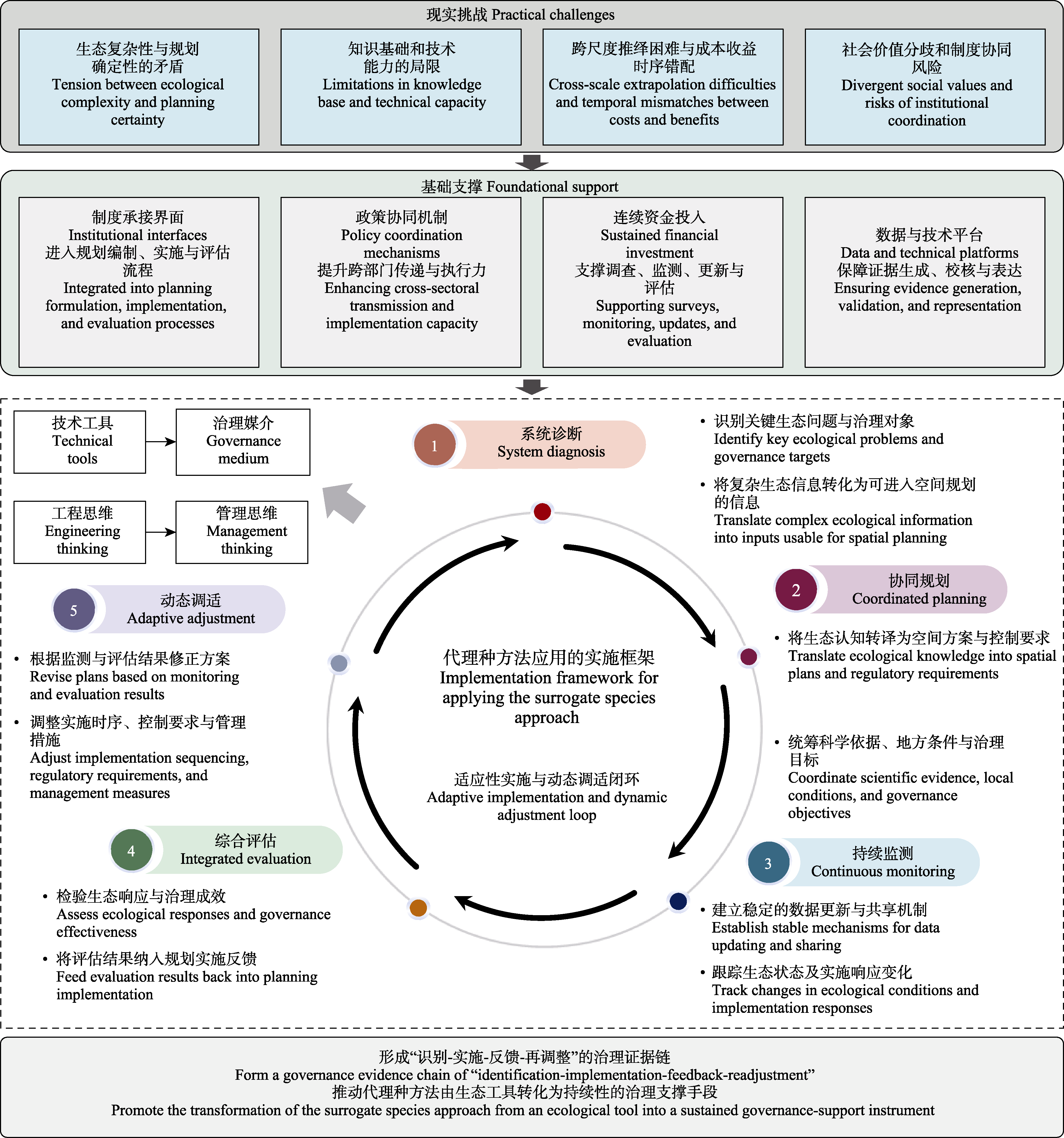
Fig. 6 Implementation framework for applying the surrogate species approach
| [1] | Amici V, Battisti C (2009) Selecting focal species in ecological network planning following an expert-based approach: A case study and a conceptual framework. Landscape Research, 34, 545-561. |
| [2] | Aronson MFJ, Lepczyk CA, Evans KL, Goddard MA, Lerman SB, MacIvor JS, Nilon CH, Vargo T (2017) Biodiversity in the city: Key challenges for urban green space management. Frontiers in Ecology and the Environment, 15, 189-196. |
| [3] | Banerjee A, Scharler UM, Fath BD, Ray S (2017) Temporal variation of keystone species and their impact on system performance in a South African estuarine ecosystem. Ecological Modelling, 363, 207-220. |
| [4] | Battisti C, Luiselli L (2011) Selecting focal species in ecological network planning following an expert-based approach: Italian reptiles as a case study. Journal for Nature Conservation, 19, 126-130. |
| [5] | Bifolchi A, Lodé T (2005) Efficiency of conservation shortcuts: An investigation with otters as umbrella species. Biological Conservation, 126, 523-527. |
| [6] | Bräuniger C, Knapp S, Kühn I, Klotz S (2010) Testing taxonomic and landscape surrogates for biodiversity in an urban setting. Landscape and Urban Planning, 97, 283-295. |
| [7] | Butler SJ, Freckleton RP, Renwick AR, Norris K (2012) An objective, niche-based approach to indicator species selection. Methods in Ecology and Evolution, 3, 317-326. |
| [8] | Caro TM (2010) Conservation by Proxy: Indicator, Umbrella, Keystone, Flagship, and Other Surrogate Species. Island Press, Washington, DC. |
| [9] | Caro TM, O’Doherty G (1999) On the use of surrogate species in conservation biology. Conservation Biology, 13, 805-814. |
| [10] | CBD (Convention on Biological Diversity) (2022) Kunming- Montreal Global Biodiversity Framework: Decision 15/4. Convention on Biological Diversity, Montreal. https://www.cbd.int/doc/decisions/cop-15/cop-15-dec-04-en.pdf. (accessed on 2026-05-05) |
| [11] | Chen QT, Liu JJ, Qin ZL, Ming S, Ji X, Du Q (2021) Testing accuracy of the animal corridor site selection models based on field observations: A case study of white-headed langur (Trachypithecus leucocephalus). Acta Ecologica Sinica, 41, 9920-9931. (in Chinese with English abstract) |
| [陈秋彤, 刘骏杰, 覃子浏, 明霜, 姬翔, 杜钦 (2021) 基于野外观测检验动物廊道选址模型的准确性--以白头叶猴为例. 生态学报, 41, 9920-9931.] | |
| [12] | Cushman SA, Landguth EL (2012) Multi-taxa population connectivity in the northern Rocky Mountains. Ecological Modelling, 231, 101-112. |
| [13] | Dalerum F, Somers MJ, Kunkel KE, Cameron EZ (2008) The potential for large carnivores to act as biodiversity surrogates in southern Africa. Biodiversity and Conservation, 17, 2939-2949. |
| [14] | Davies PJ, Tippler C (2024) A framework for using community determined iconic species to advance socio-ecology connections and promote nature-based solutions. Nature-Based Solutions, 6, 100160. |
| [15] | Freudenberger D, Brooker L (2004) Development of the focal species approach for biodiversity conservation in the temperate agricultural zones of Australia. Biodiversity and Conservation, 13, 253-274. |
| [16] | Fu BJ, Chen LD, Ma KM, Wang YL (2011) Principles and Applications of Landscape Ecology, 2nd edn. Science Press, Beijing. (in Chinese) |
| [傅伯杰, 陈利顶, 马克明, 王仰麟 (2011) 景观生态学原理及应用(第二版). 科学出版社, 北京.] | |
| [17] | Gan J, Wang M, Liu X, Guo GP, Liu XX, Zhou YN (2025) Integrating biodiversity conservation into municipal and county-level territorial spatial master planning: Technical approach and practice. Urban Planning Forum, (3), 94-102. (in Chinese with English abstract) |
| [干靓, 王沫, 刘晓, 郭光普, 刘巷序, 周燕妮 (2025) 生物多样性保护纳入市县级国土空间总体规划的技术路径与实践探索. 城市规划学刊, (3), 94-102.] | |
| [18] | Given DR (1993) What is conservation biology and why is it so important? Journal of the Royal Society of New Zealand, 23, 55-60. |
| [19] | Hanley TA (1996) Potential role of deer (Cervidae) as ecological indicators of forest management. Forest Ecology and Management, 88, 199-204. |
| [20] | Hess GR, King TJ (2002) Planning open spaces for wildlife I. Selecting focal species using a Delphi survey approach. Landscape and Urban Planning, 58, 25-40. |
| [21] | Hunter M, Westgate M, Barton P, Calhoun A, Pierson J, Tulloch A, Beger M, Branquinho C, Caro TM, Gross J, Heino J, Lane P, Longo C, Martin K, McDowell WH, Mellin C, Salo H, Lindenmayer D (2016) Two roles for ecological surrogacy: Indicator surrogates and management surrogates. Ecological Indicators, 63, 121-125. |
| [22] | IPBES (Intergovernmental Science-Policy Platform on Biodiversity and Ecosystem Services) (2019) Global Assessment Report on Biodiversity and Ecosystem Services of the Intergovernmental Science-Policy Platform on Biodiversity and Ecosystem Services. IPBES Secretariat, Bonn, Germany. |
| [23] | Jordán F, Takács-Sánta A, Molnár I (1999) A reliability theoretical quest for keystones. Oikos, 86, 453-462. |
| [24] | Kau M, Weckworth BV, Li S, Pires MM, Jin DY, Pacifici M, Rondinini C, Boitani L, McCarthy TM, Lu Z, Schaller GB, Beissinger SR, Li J (2025) Umbrella, keystone, or flagship? An integrated framework for identifying effective surrogate species. Biological Conservation, 303, 111025. |
| [25] | Kavanagh RP (1991) The target species approach to wildlife management:Gliders and owls in the forests of southeastern New South Wales. In:Conservation of Australia’s Forest Fauna (ed. Lunney D), pp. 377-383. Royal Zoological Society of New South Wales, Sydney, Australia. |
| [26] | Khosravi R, Hemami MR (2019) Identifying landscape species for ecological planning. Ecological Indicators, 99, 140-148. |
| [27] | Lambeck RJ (1997) Focal species: A multi-species umbrella for nature conservation. Conservation Biology, 11, 849-856. |
| [28] | Li XC, Wang Q, Xing MY, Li YK, Zhou XH, Ma CX (2023) A novel approach to determining umbrella species using quantitative food web: A case study from fresh-water lake. Biological Conservation, 281, 110032. |
| [29] | Li XJ, Fu FY (2024) Analysis and conservation strategies of urban animal habitats in urban built environments from a behavioral scale perspective. Urban Development Studies, 31(11), 128-134. (in Chinese with English abstract) |
| [李雪靖, 傅方煜 (2024) 行为尺度视角下城市建成环境中的城市动物栖息地分析与保护策略研究. 城市发展研究, 31(11), 128-134.] | |
| [30] | Lindenmayer DB, Likens GE (2011) Direct measurement versus surrogate indicator species for evaluating environmental change and biodiversity loss. Ecosystems, 14, 47-59. |
| [31] | Liu XX, Zhao YH, Zeng D, Yang YHS, Li WD, Kang Y, Wei GP, Yuan X, Bo SQ, Si XF (2023) Characterizing bird species for achieving the win-wins of conserving biodiversity and enhancing regulating ecosystem services in urban green spaces. Urban Forestry & Urban Greening, 87, 128064. |
| [32] | Liu ZH, Wei L, Zhou Y (2024) Constructing sustainable landscape patterns for enhancing urban biodiversity. Acta Ecologica Sinica, 44, 5905-5913. (in Chinese with English abstract) |
| [刘珍环, 魏莱, 周义 (2024) 面向城市生物多样性提升的可持续景观格局构建机理与途径. 生态学报, 44, 5905-5913.] | |
| [33] | Ma JW, Yang ZJ, Wang YH, Wen WY, Liu G, Li HX, Gao J, Hu YS, Li B, Jiu L, Gong MH (2023) Functional zoning of the protected areas based on habitat suitability and landscape characteristics of target species: A case study from Gansu Duoer National Nature Reserve. Acta Ecologica Sinica, 43, 2703-2710. (in Chinese with English abstract) |
| [马佳雯, 杨志娇, 王宇航, 文菀玉, 刘刚, 李惠鑫, 高军, 虎永胜, 李斌, 九落, 龚明昊 (2023) 基于目标物种栖息地适宜性和景观特征的保护地功能区划研究--以甘肃多儿国家级自然保护区为例. 生态学报, 43, 2703-2710.] | |
| [34] | Marjakangas EL, Santangeli A, Kujala H, Mammola S, Lehikoinen A (2023) Identifying “climate keystone species” as a tool for conserving ecological communities under climate change. Diversity and Distributions, 29, 1341-1354. |
| [35] | Maslo B, Leu K, Faillace C, Weston MA, Pover T, Schlacher TA (2016) Selecting umbrella species for conservation: A test of habitat models and niche overlap for beach-nesting birds. Biological Conservation, 203, 233-242. |
| [36] | McGeoch MA (1998) The selection, testing and application of terrestrial insects as bioindicators. Biological Reviews, 73, 181-201. |
| [37] | McGowan J, Beaumont LJ, Smith RJ, Chauvenet ALM, Harcourt R, Atkinson SC, Mittermeier JC, Esperon-Rodriguez M, Baumgartner JB, Beattie A, Dudaniec RY, Grenyer R, Nipperess DA, Stow A, Possingham HP (2020) Conservation prioritization can resolve the flagship species conundrum. Nature Communications, 11, 994. |
| [38] | Natsukawa H, Mori K, Komuro S, Shiokawa T, Umetsu J, Wakita N (2020) Forest cover and open land drive the distribution and dynamics of the breeding sites for urban-dwelling Northern Goshawks. Urban Forestry & Urban Greening, 53, 126732. |
| [39] | Neeson TM, Mandelik Y (2014) Pairwise measures of species co-occurrence for choosing indicator species and quantifying overlap. Ecological Indicators, 45, 721-727. |
| [40] | Olivares-Rojas J, Cook CN, Ward MS, Walsh JC (2024) Species and ecological communities as management surrogates for threatened biodiversity. Biodiversity and Conservation, 33, 987-1008. |
| [41] | Qian J, Zhuang HF, Yang WK, Chen YF, Chen SL, Qu YH, Zhang YM, Yang YP, Wang YH (2020) Selecting flagship species to solve a biodiversity conservation conundrum. Plant Diversity, 42, 488-491. |
| [42] | Sattler T, Pezzatti GB, Nobis MP, Obrist MK, Roth T, Moretti M (2014) Selection of multiple umbrella species for functional and taxonomic diversity to represent urban biodiversity. Conservation Biology, 28, 414-426. |
| [43] | Shi XW, Gong C, Zhang L, Hu J, Ouyang ZY, Xiao Y (2019) Which species should we focus on? Umbrella species assessment in Southwest China. Biology, 8, 42. |
| [44] | Simberloff D (1998) Flagships, umbrellas, and keystones: Is single-species management passé in the landscape era? Biological Conservation, 83, 247-257. |
| [45] | Tälle M, Ranius T, Öckinger E (2023) The usefulness of surrogates in biodiversity conservation: A synthesis. Biological Conservation, 288, 110384. |
| [46] | Tobias JA, Bullock JM, Dicks LV, Forester BR, Razgour O (2025) Biodiversity conservation requires integration of species-centric and process-based strategies. Proceedings of the National Academy of Sciences, USA, 122, e2410936122. |
| [47] | Wang Q, Li XC, Zhou XH (2023) New shortcut for conservation: The combination management strategy of “keystone species” plus “umbrella species” based on food web structure. Biological Conservation, 286, 110265. |
| [48] | Wang XK, Zhang HX, Ren YF, Su ZM, Sun X, Zhao L, Ouyang ZY (2023) Long-term observation and research station of urban ecosystem and its main tasks. Acta Ecologica Sinica, 43, 5211-5223. (in Chinese with English abstract) |
| [王效科, 张红星, 任玉芬, 苏芝敏, 孙旭, 赵露, 欧阳志云 (2023) 城市生态系统长期观测研究站及其主要任务. 生态学报, 43, 5211-5223.] | |
| [49] | Xing MY, Wang Q, Li XC, Li YK, Zhou XH (2021) Selection of keystone species based on stable carbon and nitrogen isotopes to construct a typical food web on the shore of Xingkai Lake, China. Ecological Indicators, 132, 108263. |
| [50] | Xu WX, Xu F, Ma W, Wang MY, Wang JC, Yang WK (2022) Proposing a quantitative selection method for determining flagship species based on an analytic hierarchy process. Biodiversity Science, 30, 21536 (in Chinese with English abstract) |
| [徐文轩, 徐峰, 马伟, 汪沐阳, 王建成, 杨维康 (2022) 基于层次分析法的旗舰物种遴选方法. 生物多样性, 30, 21536.] | |
| [51] | Xu WY, Xu LX, Cao YQ, Zheng JY, Wang YL, Cheng K, Lee CH, Dai HX, Mei S, Zong C (2024) Community perspectives of flagship species: Can conservation motivators mitigate human-wildlife conflict? Frontiers in Ecology and Evolution, 12, 1265694. |
| [52] | Yamaura Y, Higa M, Senzaki M, Koizumi I (2018) Can charismatic megafauna be surrogate species for biodiversity conservation? Mechanisms and a test using citizen data and a hierarchical community model. In:Biodiversity Conservation Using Umbrella Species: Blakiston’s Fish Owl and the Red-Crowned Crane (ed. Nakamura F), pp. 151-179. Springer, Singapore. |
| [53] | Yang J, Yang XD, Liu XY, Zhou J (2025) Perspectives of urban biodiversity studies in China serving Target 12 of the Kunming-Montreal Global Biodiversity Framework. Biodiversity Science, 33, 25104. (in Chinese with English abstract) |
| [杨军, 杨旭东, 刘心怡, 周景 (2025) 面向《昆蒙框架》目标12的中国城市生物多样性研究展望. 生物多样性, 33, 25104.] | |
| [54] | Yang Y, Ren GP, Li WJ, Huang ZP, Lin AK, Garber PA, Ma C, Yi SL, Momberg F, Gao Y, Wang XW, Li GS, Behie A, Xiao W (2019) Identifying transboundary conservation priorities in a biodiversity hotspot of China and Myanmar: Implications for data poor mountainous regions. Global Ecology and Conservation, 20, e00732. |
| [55] | Yuan YX, Chen CY (2021) Ecological space delimitation of high intensity development area: Foshan City. Planners, 37(6), 75-81. (in Chinese with English abstract) |
| [袁宇昕, 陈昌勇 (2021) 高强度开发地区生态空间划定方法探讨--以佛山市为例. 规划师, 37(6), 75-81.] | |
| [56] | Yue Y, Yang ZS, Wei W, Yang B, Qi DW, Gu XD, Yang XY, Lu S, Zhang W, Dai Q, Zhang ZJ (2024) The effectiveness of using giant panda as a surrogate for protecting sympatric species. Journal of Environmental Management, 351, 119803. |
| [57] | Zhu X, Jiang R, Zhang YJ, Gao CY (2023) Reflections on urban ecological planning in the context of territorial planning: Content, methodology, and practice. City Planning Review, 47(7), 19-28. (in Chinese with English abstract) |
| [朱逊, 姜瑞, 张远景, 高春义 (2023) 国土空间规划背景下的城市生态规划思考--内容、方法和实践. 城市规划, 47(7), 19-28.] | |
| [58] | Zou Y, van der Werf W, Liu YH, Axmacher JC (2020) Predictability of species diversity by family diversity across global terrestrial animal taxa. Global Ecology and Biogeography, 29, 629-644. |
| Viewed | ||||||
|
Full text |
|
|||||
|
Abstract |
|
|||||
Copyright © 2026 Biodiversity Science
Editorial Office of Biodiversity Science, 20 Nanxincun, Xiangshan, Beijing 100093, China
Tel: 010-62836137, 62836665 E-mail: biodiversity@ibcas.ac.cn
