

Biodiv Sci ›› 2026, Vol. 34 ›› Issue (1): 25241. DOI: 10.17520/biods.2025241 cstr: 32101.14.biods.2025241
• Special Feature: Biodiversity Conservation Financing and Corporate Participation • Previous Articles Next Articles
Ming Li1, Xiangling Qin1, Yuru Zhu1, Wen Xiong2,*( )
)
Received:2025-06-25
Accepted:2025-12-01
Online:2026-01-20
Published:2026-02-03
Contact:
Wen Xiong
Supported by:Ming Li, Xiangling Qin, Yuru Zhu, Wen Xiong. Theoretical framework and operational mechanisms of value realization in biodiversity offsetting for nature reserves[J]. Biodiv Sci, 2026, 34(1): 25241.
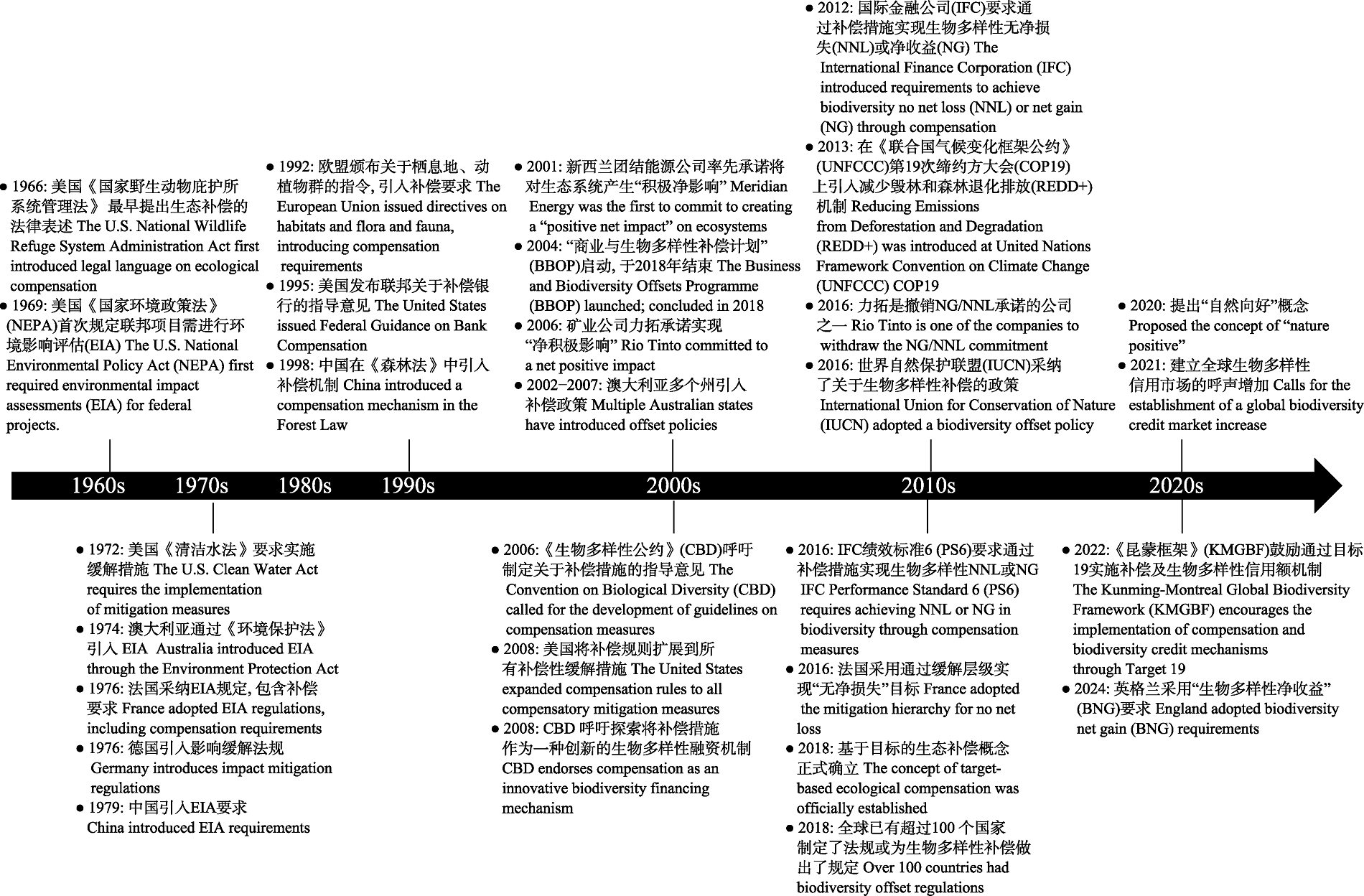
Fig. 1 Conceptual development and trends in biodiversity offsetting (adapted from Maron et al., 2025)
| Box 1 生物多样性抵消实践 | ||||
|---|---|---|---|---|
| 项目名称 | 项目地点 | 项目目的 | 项目内容 | 项目收益 |
| 德文郡生物多样性 抵消试点项目 | 英格兰德文郡 | 测试生物多样性抵消系统的可行性和有效性, 为政策制定提供依据 | 通过恢复和保护当地生态系统来补偿开发活动的负面影响, 项目实施效果采用生物多样性危害情况与减缓可能性数字评分进行 | 35个政策生物多样性抵消试点项目累计创收60万英镑 (Taherzadeh & Howley, |
| Elsie Gridley 缓解银行 | 美国加利福利亚州 索拉诺县 | 为临时池塘草甸和溪流栖息地及相关联的几种稀有、受威胁和濒危物种提供场外缓解机会 | 保护和恢复了众多湿地和临时池塘, 并为加州虎螈(Ambystoma californiense)、蝌蚪虾、仙女虾等多种特殊生态物种提供栖息地 | 当前拥有超过607 ha的陆地和水体信用(RES, |
| Warkworth 煤矿生物多样性 补偿项目 | 澳大利亚新南威尔 士州的猎人谷 | 抵消煤矿扩建对周边生物多样性造成的负面影响 | 在场外建立生物多样性补偿区域, 如保护特定栖息地来抵消煤矿扩建对生物多样性的影响, 同时制定生物多样性管理计划 | Warkworth煤矿扩建共产生了31,700个生态系统生物多样性信用额度和37,293个物种生物多样性信用额度(Yancoal Australia, |
| RTQMM 抵消项目 | 马达加斯加东南部 阿诺西地区 | 抵消钛矿开采对濒危森林和狐猴栖息地的影响 | 保护红树林和低地雨林; 资助社区森林管理计划 | 保护6,000 ha森林, 稳定狐猴种群(Gastauer et al., |
| Kuamut 热带雨林计划 | 马来西亚沙巴州 | 通过保护和恢复森林来实现生物多样性抵消 | 通过重新分类将项目区域从生产林(Ⅱ类森林)改为严格保护的Ⅰ类森林, 消除商业砍伐的威胁, 并确保森林能够再生 | 保护了83,381 ha的热带森林(Permian Global, |
| 卡拉加斯国家森林 S11D Eliezer Batista 铁矿生物多样性 抵消项目 | 巴西帕拉州 | 实现采矿活动对生物多样性造成的损失与森林恢复抵消收益的平衡 | 实施森林恢复活动, 包括植被恢复、土壤改良等, 以恢复因采矿而退化的土地, 提高生物多样性种群的生物值 | 在公司管理区域内实现了379个生物多样性信用单位收益(Koh et al., |
| Box 1 生物多样性抵消实践 | ||||
|---|---|---|---|---|
| 项目名称 | 项目地点 | 项目目的 | 项目内容 | 项目收益 |
| 德文郡生物多样性 抵消试点项目 | 英格兰德文郡 | 测试生物多样性抵消系统的可行性和有效性, 为政策制定提供依据 | 通过恢复和保护当地生态系统来补偿开发活动的负面影响, 项目实施效果采用生物多样性危害情况与减缓可能性数字评分进行 | 35个政策生物多样性抵消试点项目累计创收60万英镑 (Taherzadeh & Howley, |
| Elsie Gridley 缓解银行 | 美国加利福利亚州 索拉诺县 | 为临时池塘草甸和溪流栖息地及相关联的几种稀有、受威胁和濒危物种提供场外缓解机会 | 保护和恢复了众多湿地和临时池塘, 并为加州虎螈(Ambystoma californiense)、蝌蚪虾、仙女虾等多种特殊生态物种提供栖息地 | 当前拥有超过607 ha的陆地和水体信用(RES, |
| Warkworth 煤矿生物多样性 补偿项目 | 澳大利亚新南威尔 士州的猎人谷 | 抵消煤矿扩建对周边生物多样性造成的负面影响 | 在场外建立生物多样性补偿区域, 如保护特定栖息地来抵消煤矿扩建对生物多样性的影响, 同时制定生物多样性管理计划 | Warkworth煤矿扩建共产生了31,700个生态系统生物多样性信用额度和37,293个物种生物多样性信用额度(Yancoal Australia, |
| RTQMM 抵消项目 | 马达加斯加东南部 阿诺西地区 | 抵消钛矿开采对濒危森林和狐猴栖息地的影响 | 保护红树林和低地雨林; 资助社区森林管理计划 | 保护6,000 ha森林, 稳定狐猴种群(Gastauer et al., |
| Kuamut 热带雨林计划 | 马来西亚沙巴州 | 通过保护和恢复森林来实现生物多样性抵消 | 通过重新分类将项目区域从生产林(Ⅱ类森林)改为严格保护的Ⅰ类森林, 消除商业砍伐的威胁, 并确保森林能够再生 | 保护了83,381 ha的热带森林(Permian Global, |
| 卡拉加斯国家森林 S11D Eliezer Batista 铁矿生物多样性 抵消项目 | 巴西帕拉州 | 实现采矿活动对生物多样性造成的损失与森林恢复抵消收益的平衡 | 实施森林恢复活动, 包括植被恢复、土壤改良等, 以恢复因采矿而退化的土地, 提高生物多样性种群的生物值 | 在公司管理区域内实现了379个生物多样性信用单位收益(Koh et al., |
| 项目 Program | 信用形式 Credit type | 单位价格 Unit price | 时间跨度 Duration |
|---|---|---|---|
| 生物银行 BioBanking (澳大利亚 Australia) | 生态系统信用; 物种信用 Ecosystem credits; species credits | 2,500-9,500澳元 AUD 2,500-9,500 | 永久保护 Permanent protection |
| 生物多样性补偿计划 Biodiversity Offsets Scheme (澳大利亚 Australia) | 原生植被信用(NVCs); (栖息地、大型 老树、新植株) Native vegetation credits (NVCs); (habitat, large old trees, new plantings) | 栖息地: 20,000-40,000澳元; 大型 老树: 20,000-40,000澳元; 新植株: 500-2,300澳元 Habitat: AUD 20,000-40,000; large old trees: AUD 20,000-40,000; new plantings: AUD 500-2,300 | 永久保护 Permanent protection |
| 缓解银行 Conservation Banking (美国 United States) | 栖息地或物种单位 Habitat or species units | 2,500-300,000美元 USD 2,500-300,000 | 永久保护 Permanent protection |
| 湿地和溪流缓解银行 Wetland and Stream Mitigation Banking (美国 United States) | 湿地抵消信用; 溪流抵消信用 Wetland mitigation credits; stream mitigation credits | 湿地: 3,000-653,000美元; 溪流: 15-700美元 Wetlands: USD 3,000-653,000; Streams: USD 15-700 | 永久保护 Permanent protection |
Table 1 Biodiversity offsetting credit program under regulatory market mechanisms
| 项目 Program | 信用形式 Credit type | 单位价格 Unit price | 时间跨度 Duration |
|---|---|---|---|
| 生物银行 BioBanking (澳大利亚 Australia) | 生态系统信用; 物种信用 Ecosystem credits; species credits | 2,500-9,500澳元 AUD 2,500-9,500 | 永久保护 Permanent protection |
| 生物多样性补偿计划 Biodiversity Offsets Scheme (澳大利亚 Australia) | 原生植被信用(NVCs); (栖息地、大型 老树、新植株) Native vegetation credits (NVCs); (habitat, large old trees, new plantings) | 栖息地: 20,000-40,000澳元; 大型 老树: 20,000-40,000澳元; 新植株: 500-2,300澳元 Habitat: AUD 20,000-40,000; large old trees: AUD 20,000-40,000; new plantings: AUD 500-2,300 | 永久保护 Permanent protection |
| 缓解银行 Conservation Banking (美国 United States) | 栖息地或物种单位 Habitat or species units | 2,500-300,000美元 USD 2,500-300,000 | 永久保护 Permanent protection |
| 湿地和溪流缓解银行 Wetland and Stream Mitigation Banking (美国 United States) | 湿地抵消信用; 溪流抵消信用 Wetland mitigation credits; stream mitigation credits | 湿地: 3,000-653,000美元; 溪流: 15-700美元 Wetlands: USD 3,000-653,000; Streams: USD 15-700 | 永久保护 Permanent protection |
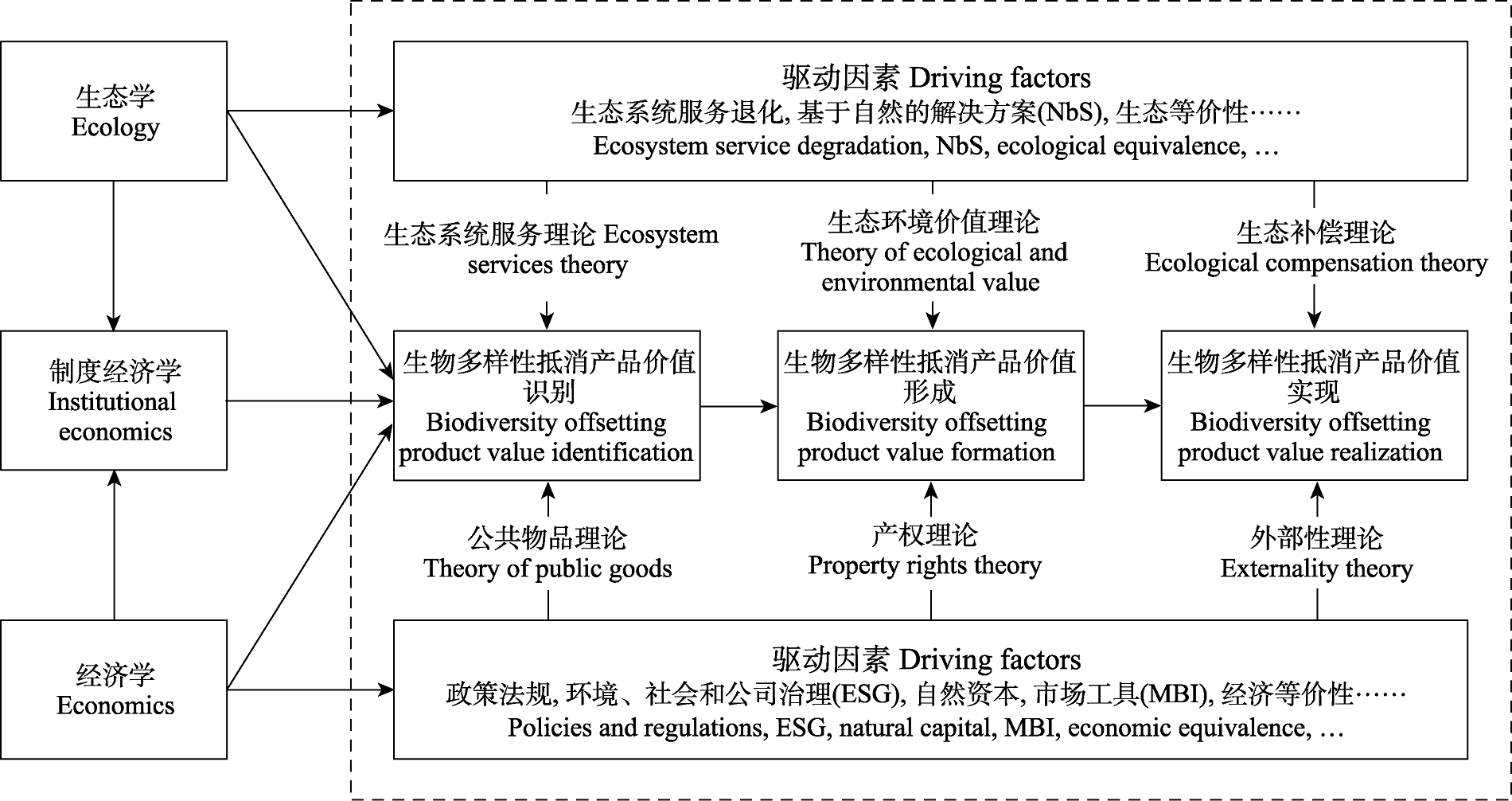
Fig. 2 Theoretical framework for value realization of biodiversity offsetting products in nature reserves. NbS, Nature-based solutions; ESG, Environmental, social, and governance; MBI, Market-based instrument.
| 一级指标 Primary indicator | 二级指标 Secondary indicator | 三级指标 Tertiary indicator | 参考来源 Reference |
|---|---|---|---|
| 生态系统结构与功能Ecosystem structure and function | 生态系统类型与面积 Ecosystem type and area | 生态系统类型匹配度(如森林、湿地等) Ecosystem type equivalence (e.g. forests, wetlands) | IUCN, |
| 补偿区与受影响区的面积比 Area ratio between offset site and impacted site | Maron et al., | ||
| 生态系统质量 Ecosystem quality | 植被覆盖度与群落结构 Vegetation cover and community structure | Gardner et al., | |
| 土壤健康与水文条件 Soil health and hydrological conditions | Quétier & Lavorel, | ||
| 物种多样性 Species diversity | 物种组成 Species composition | 关键物种保护 | CBD, |
| 物种丰富度与相似性 Species richness and similarity | Kessler et al., | ||
| 种群动态 Population dynamics | 种群数量与繁殖成功率 Population size and reproductive success | Gibbons & Lindenmayer, | |
| 生态功能与服务 Ecosystem function and service | 生态功能 Ecological functions | 碳储存与固存 Carbon storage and sequestration | IPBES, |
| 水文调节 Hydrological regulation | Rolls et al., | ||
| 生态系统服务 Ecosystem services | 人类福祉关联 Links to human well-being | MA, | |
| 社会经济与治理 Socio-economic and governance | 社会公平性 Social equity | 社区参与与权益保障 Community participation and rights protection | Klein et al., |
| 经济可持续性 Economic sustainability | 长期资金机制 Long-term financing mechanisms | Pirard, | |
| 治理与合规性 Governance and compliance | 法律合规性 Legal compliance | BBOP, |
Table 2 Biodiversity offsetting indicator system
| 一级指标 Primary indicator | 二级指标 Secondary indicator | 三级指标 Tertiary indicator | 参考来源 Reference |
|---|---|---|---|
| 生态系统结构与功能Ecosystem structure and function | 生态系统类型与面积 Ecosystem type and area | 生态系统类型匹配度(如森林、湿地等) Ecosystem type equivalence (e.g. forests, wetlands) | IUCN, |
| 补偿区与受影响区的面积比 Area ratio between offset site and impacted site | Maron et al., | ||
| 生态系统质量 Ecosystem quality | 植被覆盖度与群落结构 Vegetation cover and community structure | Gardner et al., | |
| 土壤健康与水文条件 Soil health and hydrological conditions | Quétier & Lavorel, | ||
| 物种多样性 Species diversity | 物种组成 Species composition | 关键物种保护 | CBD, |
| 物种丰富度与相似性 Species richness and similarity | Kessler et al., | ||
| 种群动态 Population dynamics | 种群数量与繁殖成功率 Population size and reproductive success | Gibbons & Lindenmayer, | |
| 生态功能与服务 Ecosystem function and service | 生态功能 Ecological functions | 碳储存与固存 Carbon storage and sequestration | IPBES, |
| 水文调节 Hydrological regulation | Rolls et al., | ||
| 生态系统服务 Ecosystem services | 人类福祉关联 Links to human well-being | MA, | |
| 社会经济与治理 Socio-economic and governance | 社会公平性 Social equity | 社区参与与权益保障 Community participation and rights protection | Klein et al., |
| 经济可持续性 Economic sustainability | 长期资金机制 Long-term financing mechanisms | Pirard, | |
| 治理与合规性 Governance and compliance | 法律合规性 Legal compliance | BBOP, |
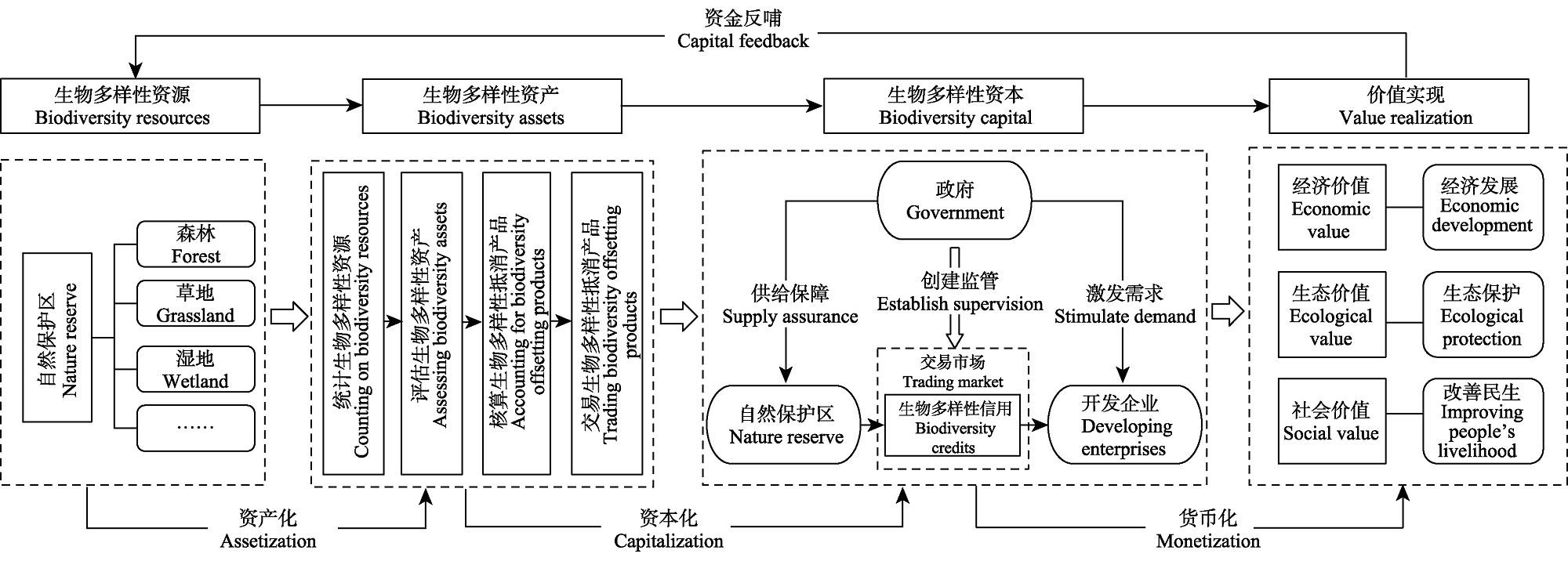
Fig. 3 Operational mechanism for realizing the value of biodiversity offsetting products in nature reserves
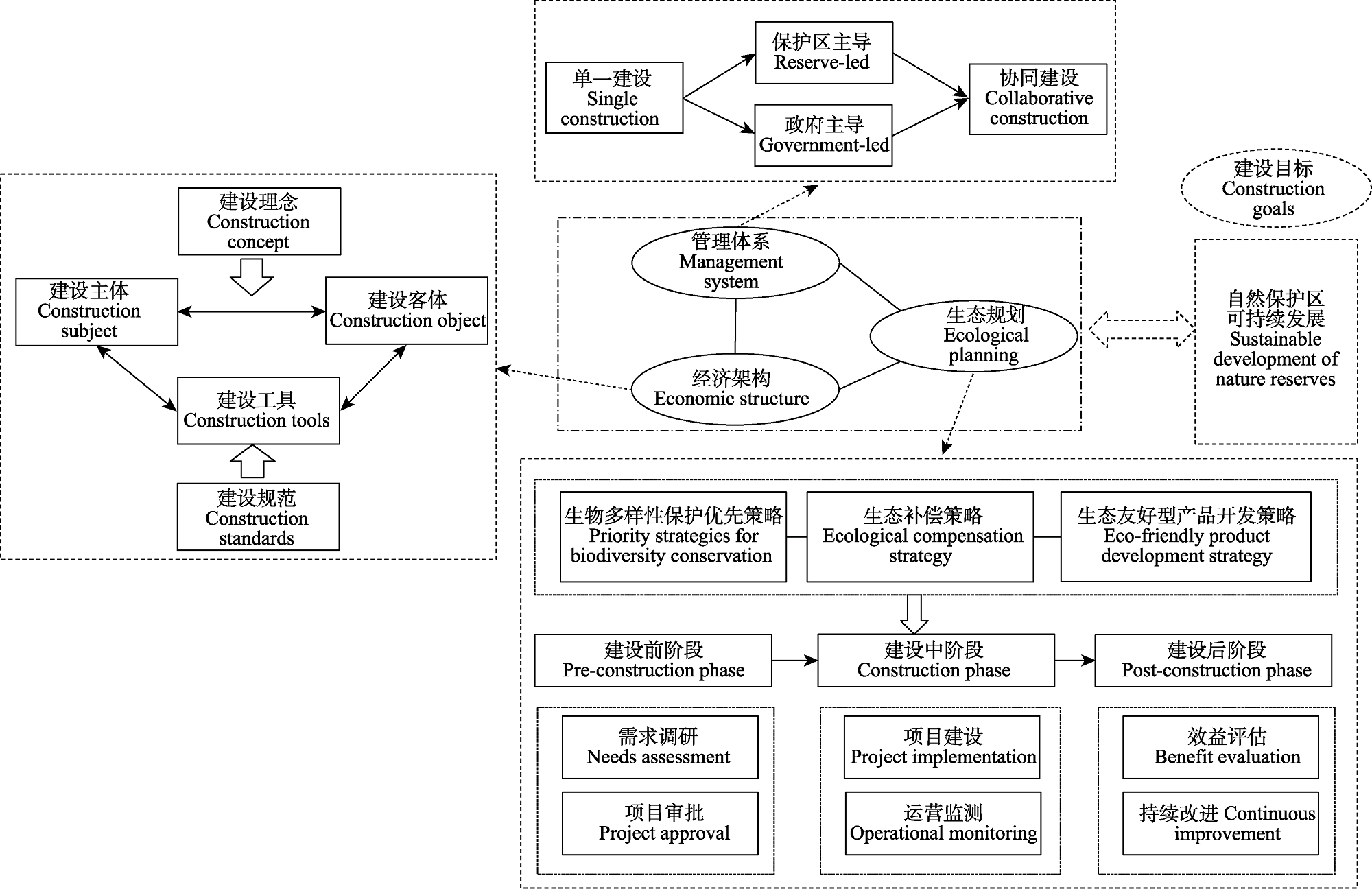
Fig. 4 Framework for developing a biodiversity offsetting product system in nature reserves
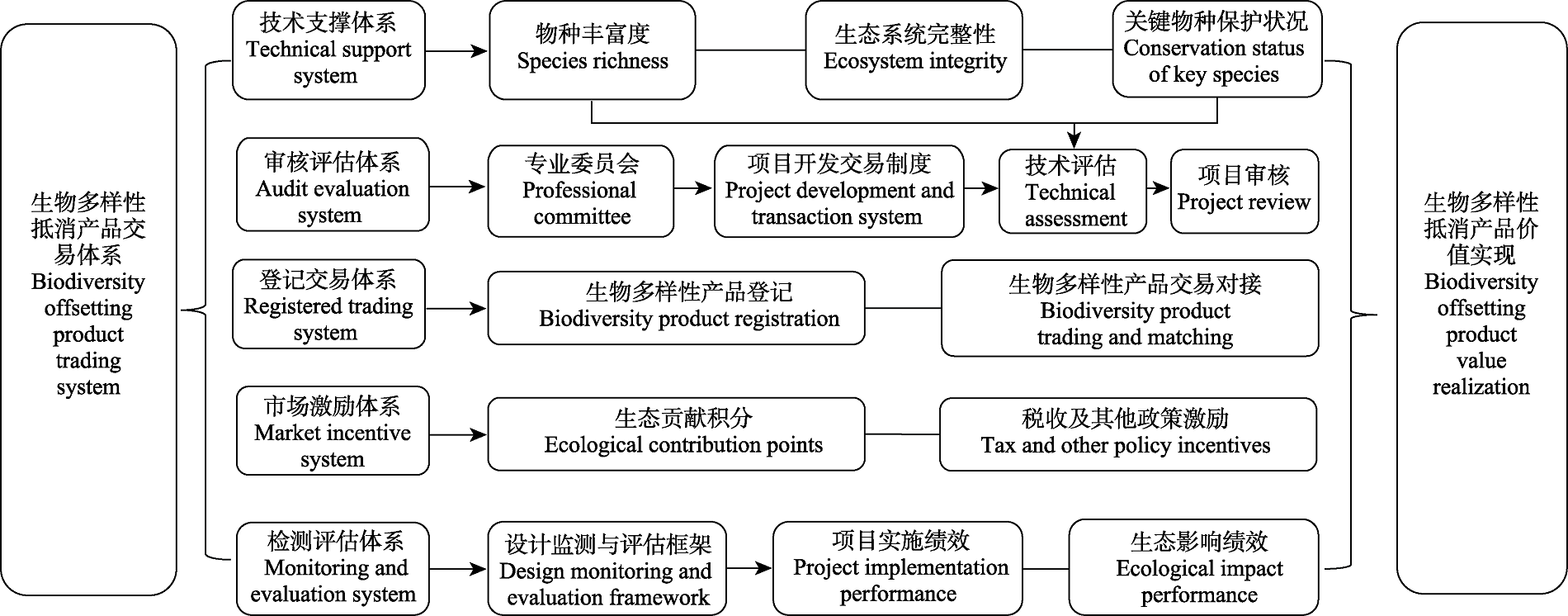
Fig. 5 Architecture of the trading system for biodiversity offsetting products in nature reserves
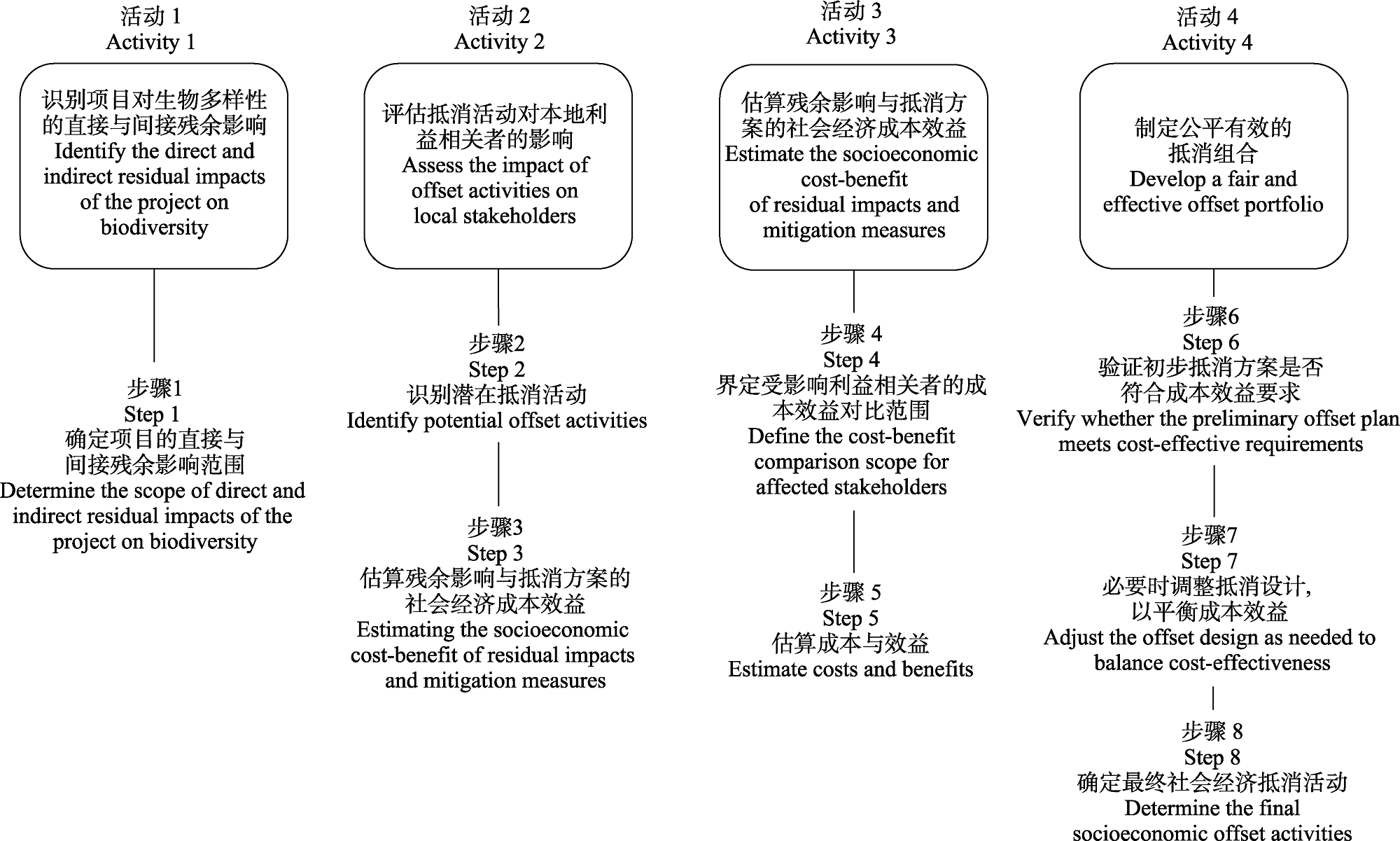
Fig. 6 Process of cost-benefit analysis for biodiversity offsetting (adapted from BBOP, 2009)
| [1] | Almeida Souza B, Rosa JCS, Campos PBR, Sánchez LE (2023) Evaluating the potential of biodiversity offsets to achieve net gain. Conservation Biology, 37, e14094. |
| [2] |
Arlidge WNS, Bull JW, Addison PFE, Burgass MJ, Gianuca D, Gorham TM, Jacob C, Shumway N, Sinclair SP, Watson JEM, Wilcox C, Milner-Gulland EJ (2018) A global mitigation hierarchy for nature conservation. BioScience, 68, 336-347.
DOI PMID |
| [3] |
Azuero-Pedraza CG, Thomas VM (2024) Incorporating biodiversity impacts in land use decisions. Ecological Modelling, 497, 110852.
DOI URL |
| [4] | BBOP Business and Biodiversity Offsets Programme (2009) Biodiversity Offset Cost-Benefit Handbook. https://www.forest-trends.org/publications/biodiversity-offset-cost-benefit-handbook/. (accessed on 2025-05-13) |
| [5] | BBOP (Business and Biodiversity Offsets Programme) (2012) Standard on Biodiversity Offsets. https://www.forest-trends.org/wp-content/uploads/imported/BBOP_Standard_on_Biodiversity_Offsets_1_Feb_2013.pdf. (accessed on 2025-05-06) |
| [6] | Biodiversity Credit Alliance (2024) Definition of a Biodiversity Credit. https://www.biodiversitycreditalliance.org/products-knowledge/. (accessed on 2025-11-15) |
| [7] |
Bull JW, Strange N (2018) The global extent of biodiversity offset implementation under no net loss policies. Nature Sustainability, 1, 790-798.
DOI |
| [8] |
Buschke FT, Brownlie S, Manuel J (2019) The conservation costs and economic benefits of using biodiversity offsets to meet international targets for protected area expansion. Oryx, 53, 732-740.
DOI |
| [9] |
Calvet C, Napoléone C, Salles JM (2015) The biodiversity offsetting dilemma: Between economic rationales and ecological dynamics. Sustainability, 7, 7357-7378.
DOI URL |
| [10] | CBD Convention on Biological Diversity (2022a) Kunming-Montreal Global Biodiversity Framework. https://www.cbd.int/gbf. (accessed on 2025-05-06) |
| [11] | CBD Convention on Biological Diversity (2022b) Post-2020 Global Biodiversity Framework. . (accessed on 2025-05-13) |
| [12] | CRI The University of Cambridge Conservation Research Institute (2020) Protecting 30% of the Planet for Nature: Costs, Benefits and Economic Implications. https://www.conservation.cam.ac.uk/files/waldron_report_30_by_30_publish.pdf. (accessed on 2025-05-06) |
| [13] |
Damiens FLP, Porter L, Gordon A (2021) The politics of biodiversity offsetting across time and institutional scales. Nature Sustainability, 4, 170-179.
DOI |
| [14] | Defra (Department for Environment, Food and Rural Affairs) (2014) Evaluation of the Biodiversity Offsetting Pilot Programme. https://www.researchgate.net/publication/299503845_Evaluation_of_the_Biodiversity_Offsetting_Pilot_Programme. (accessed on 2025-05-06) |
| [15] | Defra (Department for Environment, Food and Rural Affairs) (2021) Calculate Biodiversity Value with the Statutory Biodiversity Metric. https://www.gov.uk/guidance/biodiversity-metric-calculate-the-biodiversity-net-gain-of-a-project-or-development. (accessed on 2025-05-13) |
| [16] | Defra (Department for Environment, Food and Rural Affairs) (2023) Statutory Biodiversity Metric Tools and Guides. https://www.gov.uk/government/publications/statutory-biodiversity-metric-tools-and-guides. (accessed on 2025-05-13) |
| [17] | Dupont V (2017) Biodiversity offsets in NSW Australia: The biobanking scheme versus negotiated offsets in urban areas. Journal of Environmental Law, eqw031. |
| [18] |
Folkard-Tapp H, Banks-Leite C, Cavan EL (2021) Nature-based Solutions to tackle climate change and restore biodiversity. Journal of Applied Ecology, 58, 2344-2348.
DOI |
| [19] |
Gardner TA, Von Hase A, Brownlie S, Ekstrom JMM, Pilgrim JD, Savy CE, Theo Stephens RT, Treweek JO, Ussher GT, Ward G, Kate K (2013) Biodiversity offsets and the challenge of achieving no net loss. Conservation Biology, 27, 1254-1264.
DOI PMID |
| [20] |
Gastauer M, Pinheiro T, Caldeira CF, Ramos SJ, Coelho RR, Fonseca DS, Tyski L, de Rezende Cardoso AL, de Sá Carvalho Neto C, Guimarães L, de Medeiros Sarmento PS (2024) Large-scale forest restoration generates comprehensive biodiversity gains in an Amazonian mining site. Journal of Cleaner Production, 443, 140959.
DOI URL |
| [21] | Gibbons P, Lindenmayer DB (2007) Offsets for land clearing: No net loss or the tail wagging the dog? Ecological Management & Restoration, 8, 26-31. |
| [22] | IPBES Intergovernmental Platform on Biodiversity and Ecosystem Services (2019) Global Assessment Report on Biodiversity and Ecosystem Services. https://www.ipbes.net/global-assessment. (accessed on 2025-05-13) |
| [23] | IUCN International Union for Conservation of Nature (2016) Biodiversity Offsets: A User Guide. https://iucn.org/resources/issues-brief/biodiversity-offsets. (accessed on 2025-05-06) |
| [24] | Kate K, Bishop J, Bayon R (2004) Biodiversity Offsets: Views, Experience, and the Business Case. The World Conservation Union, London. |
| [25] |
Kessler M, Abrahamczyk S, Bos M, Buchori D, Putra DD, Gradstein SR, Höhn P, Kluge J, Orend F, Pitopang R, Saleh S, Schulze CH, Sporn SG, Steffan-Dewenter I, Tjitrosoedirdjo SS, Tscharntke T (2009) Alpha and beta diversity of plants and animals along a tropical land-use gradient. Ecological Applications, 19, 2142-2156.
PMID |
| [26] |
Kigonya R, Byakagaba P, Ssenyonjo E, Nakakaawa Jjunju C (2024) “Biodiversity offsetting” in Uganda’s protected areas: A pathway to restoration of forest biodiversity? Environmental Management, 73, 1134-1149.
DOI PMID |
| [27] |
Klein C, McKinnon MC, Wright BT, Possingham HP, Halpern BS (2015) Social equity and the probability of success of biodiversity conservation. Global Environmental Change, 35, 299-306.
DOI URL |
| [28] |
Knight-Lenihan S (2020) Achieving biodiversity net gain in a neoliberal economy: The case of England. Ambio, 49, 2052-2060.
DOI |
| [29] |
Koh NS, Hahn T, Boonstra WJ (2019) How much of a market is involved in a biodiversity offset? A typology of biodiversity offset policies. Journal of Environmental Management, 232, 679-691.
DOI PMID |
| [30] | Li M, Qin XL, Zhu YR, Yang Q (2025a) Operational mechanisms, framework architectures, and paradigmatic exploration in biodiversity finance development. China Forest Products Industry, 62(10), 7-14. (in Chinese with English abstract) |
| [黎明, 秦响玲, 朱玉茹, 杨倩 (2025a) 生物多样性金融发展运行机制、框架体系与模式探索. 林产工业, 62(10), 7-14.] | |
| [31] | Li M, Zhu YR, Qin XL (2025b) The internal logic and realization path of green investment and development of biodiversity. Hainan Finance, (8), 34-41. (in Chinese with English abstract) |
| [黎明, 朱玉茹, 秦响玲 (2025b) 生物多样性绿色投资发展的内在逻辑与实现路径. 海南金融, (8), 34-41.] | |
| [32] | MA Millennium Ecosystem Assessment (2005) Ecosystems and Human Well-being: Synthesis. https://www.millenniumassessment.org/documents/document.356.aspx.pdf. (accessed on 2025-05-13) |
| [33] | Madsen B, Carroll N, Moore BK (2010) State of Biodiversity Markets Report: Offset and Compensation Programs Worldwide. https://www.undp.org/publications/state-biodiversity-markets-offset-and-compensation-programs-worldwide. (accessed on 2025-05-13) |
| [34] |
Maron M, Brownlie S, Bull JW, Evans MC, von Hase A, Quétier F, Watson JEM, Gordon A (2018) The many meanings of no net loss in environmental policy. Nature Sustainability, 1, 19-27.
DOI |
| [35] |
Maron M, Ives CD, Kujala H, Bull JW, Maseyk FJF, Bekessy S, Gordon A, Watson JEM, Lentini PE, Gibbons P, Possingham HP, Hobbs RJ, Keith DA, Wintle BA, Evans MC (2016) Taming a wicked problem: Resolving controversies in biodiversity offsetting. BioScience, 66, 489-498.
DOI URL |
| [36] |
Maron M, von Hase A, Quétier F, Sonter LJ, Theis S, zu Ermgassen SOSE (2025) Biodiversity offsets, their effectiveness and their role in a nature positive future. Nature Reviews Biodiversity, 1, 183-196.
DOI |
| [37] |
Maseyk F, Barea LP, Stephens R, Possingham HP, Dutson G, Maron M (2016) A disaggregated biodiversity offset accounting model to improve estimation of ecological equivalency and no net loss. Biological Conservation, 204, 322-332.
DOI URL |
| [38] | O’Neill J (2023) The Routledge Handbook of Commodification. Routledge, London. |
| [39] | Pearce D, Moran D (2013) The Economic Value of Biodiversity. Routledge, London. |
| [40] | Permian Global (2025) Kuamut Rainforest Conservation Project. https://permianglobal.com/projects/kuamut-rainforest-conservation-project/. (accessed on 2025-05-06) |
| [41] |
Phalan B, Hayes G, Brooks S, Marsh D, Howard P, Costelloe B, Vira B, Kowalska A, Whitaker S (2018) Avoiding impacts on biodiversity through strengthening the first stage of the mitigation hierarchy. Oryx, 52, 316-324.
DOI URL |
| [42] | Pirard R (2012) Market-based instruments for biodiversity and ecosystem services: A lexicon. Environmental Science & Policy, 19, 59-68. |
| [43] |
Pope J, Morrison-Saunders A, Bond A, Retief F (2021) When is an offset not an offset? A framework of necessary conditions for biodiversity offsets. Environmental Management, 67, 424-435.
DOI PMID |
| [44] |
Poudel J, Zhang DW, Simon B (2019) Habitat conservation banking trends in the United States. Biodiversity and Conservation, 28, 1629-1646.
DOI |
| [45] |
Primmer E, Varumo L, Kotilainen JM, Raitanen E, Kattainen M, Pekkonen M, Kuusela S, Kullberg P, Kangas JAM, Ollikainen M (2019) Institutions for governing biodiversity offsetting: An analysis of rights and responsibilities. Land Use Policy, 81, 776-784.
DOI |
| [46] | Quesada IA (2015) International Cooperation for Biodiversity Conservation: An Economic Analysis. PhD dissertation, Wageningen University and Research, Wageningen. |
| [47] |
Quétier F, Lavorel S (2011) Assessing ecological equivalence in biodiversity offset schemes: Key issues and solutions. Biological Conservation, 144, 2991-2999.
DOI URL |
| [48] | RES Resource Environmental Solutions (2025) Elsie Gridley Mitigation Bank. https://res.us/projects/elsie-gridley-mitigation-bank/. (accessed on 2025-05-06) |
| [49] |
Robertson MM (2004) The neoliberalization of ecosystem services: Wetland mitigation banking and problems in environmental governance. Geoforum, 35, 361-373.
DOI URL |
| [50] |
Rolls RJ, Heino J, Ryder DS, Chessman BC, Growns IO, Thompson RM, Gido KB (2018) Scaling biodiversity responses to hydrological regimes. Biological Reviews, 93, 971-995.
DOI URL |
| [51] | Simpson K, Hanley N, Armsworth P, de Vries F, Dallimer M (2021) Incentivising biodiversity net gain with an offset market. Q Open, 1, qoab004. |
| [52] |
Stein ED, Tabatabai F, Ambrose RF (2000) PROFILE: Wetland mitigation banking: A framework for crediting and debiting. Environmental Management, 26, 233-250.
PMID |
| [53] |
Taherzadeh O, Howley P (2018) No net loss of what, for whom?: Stakeholder perspectives to biodiversity offsetting in England. Environment, Development and Sustainability, 20, 1807-1830.
DOI URL |
| [54] | UNEP United Nations Environment Programme (2024) Protected Planet Report 2024. https://www.unep.org/resources/report/protected-planet-report-2024. (accessed on 2025-05-06) |
| [55] |
Vaissière AC, Quétier F, Calvet C, Levrel H, Wunder S (2020) Biodiversity offsets and payments for environmental services: Clarifying the family ties. Ecological Economics, 169, 106428.
DOI URL |
| [56] | Waldron A, Adams V, Allan J, Arnell A, Asner G, Atkinson S; Baccini A, Baillie JEM, Balmford A, Beau JA, Brander L, Brondizio E, Bruner A, Burgess N, Burkart K, Butchart S, Button R, Carrasco R, Cheung W, Christensen V, Clements A, Coll M, di Marco M, Deguignet M, Dinerstein E, Ellis E, Eppink E, Ervin J, Escobedo A, Fa J, Fernandes-Llamazares A, Fernando S, Fujimori S, Fulton B, Garnett S, Gerber J, Gill D, Gopalakrishna T, Hahn N, Halpern B, Hasegawa T, Havlik P, Heikinheimo V, Heneghan R, Henry E, Humpenoder F, Jonas H, Jones K, Joppa L, Joshi AR, Jung M, Kingston N, Klein C, Krisztin T, Lam V, Leclere D, Lindsey P, Locke H, Lovejoy TE, Madgwick P, Malhi Y, Malmer P, Maron M, Mayorga J, van Meij H, Miller D, Molnar Z, Mueller N, Mukherjee N, Naidoo R, Nakamura K, Nepal P, Noss RF, Leary BO, Olson D, Abrantes JP, Paxton M, Popp A, Possingham H, Prestemon J, Reside A, Robinson C, Robinson J, Sala E, Scherrer K, Spalding M, Spenceley A, Steenbeck J, Stehfest E, Strassborg B, Sumaila R, Swinnerton K, Sze J, Tittensor D, Toivonen T, Toledo A, Torres PN, Van Zeist WJ, Vause J, Venter O, Vilela T, Visconti P, Vynne C, Watson R, Watson J, Wikramanayake E, Williams B, Wintle B, Woodley S, Wu WC, Zander K, Zhang YC, Zhang YP (2020) Protecting 30% of the Planet for Nature: Costs, Benefits and Economic Implications. https://www.conservation.cam.ac.uk/files/waldron_report_30_by_30_publish.pdf. (accessed on 2026-02-21) |
| [57] | Webb J, Fujii H, Rowlings D, Grace P, Mundree S, Managi S, Wilson C (2025) Prospects for integration of carbon and biodiversity credits: An Australian case study review. Sustainability Science, doi: 10.1007/s11625-024-01603-5. |
| [58] | Yan NY, Liu GY, Ulgiati S, Yang ZF (2024) Biodiversity conservation strategies from no net loss to net gain. A multidimensional accounting method. Earth’s Future, 12, e2024EF004652. |
| [59] | Yancoal Australia (2025) Mount Thorley Warkworth. https://www.yancoal.com.au/our-sites/mount-thorley-warkworth/. (accessed on 2025-05-06) |
| [60] | Zhao Y, Liu YQ, Wan X, Ding LM (2024) Study on market-based realization of ecosystem product value in national parks: Taking biodiversity offsets and credits as an example. National Park, 2, 296-307. (in Chinese with English abstract) |
| [赵阳, 刘艳青, 万霞, 丁黎明 (2024) 国家公园生态产品市场化新路径——以生物多样性抵消和信用机制为例. 国家公园(中英文), 2, 296-307.] | |
| [61] | zu Ermgassen SOSE, Baker J, Griffiths RA, Strange N, Struebig MJ, Bull JW (2019) The ecological outcomes of biodiversity offsets under “no net loss” policies: A global review. Conservation Letters, 12, e12664. |
| Viewed | ||||||
|
Full text |
|
|||||
|
Abstract |
|
|||||
Copyright © 2026 Biodiversity Science
Editorial Office of Biodiversity Science, 20 Nanxincun, Xiangshan, Beijing 100093, China
Tel: 010-62836137, 62836665 E-mail: biodiversity@ibcas.ac.cn

