

Biodiv Sci ›› 2026, Vol. 34 ›› Issue (5): 25228. DOI: 10.17520/biods.2025228 cstr: 32101.14.biods.2025228
• Technology and Methodology • Previous Articles Next Articles
Liling Cao1( ), Zhaoyang Jin1(), Zheng Zhang1, Shouqi Cao2,*(
 )
)
Received:2025-06-17
Accepted:2025-12-25
Online:2026-05-20
Published:2026-05-15
Contact:
Shouqi Cao
Supported by:Liling Cao, Zhaoyang Jin, Zheng Zhang, Shouqi Cao. Low-frequency marine mammal sound classification using improved spectral subtraction and stacking ensemble learning[J]. Biodiv Sci, 2026, 34(5): 25228.
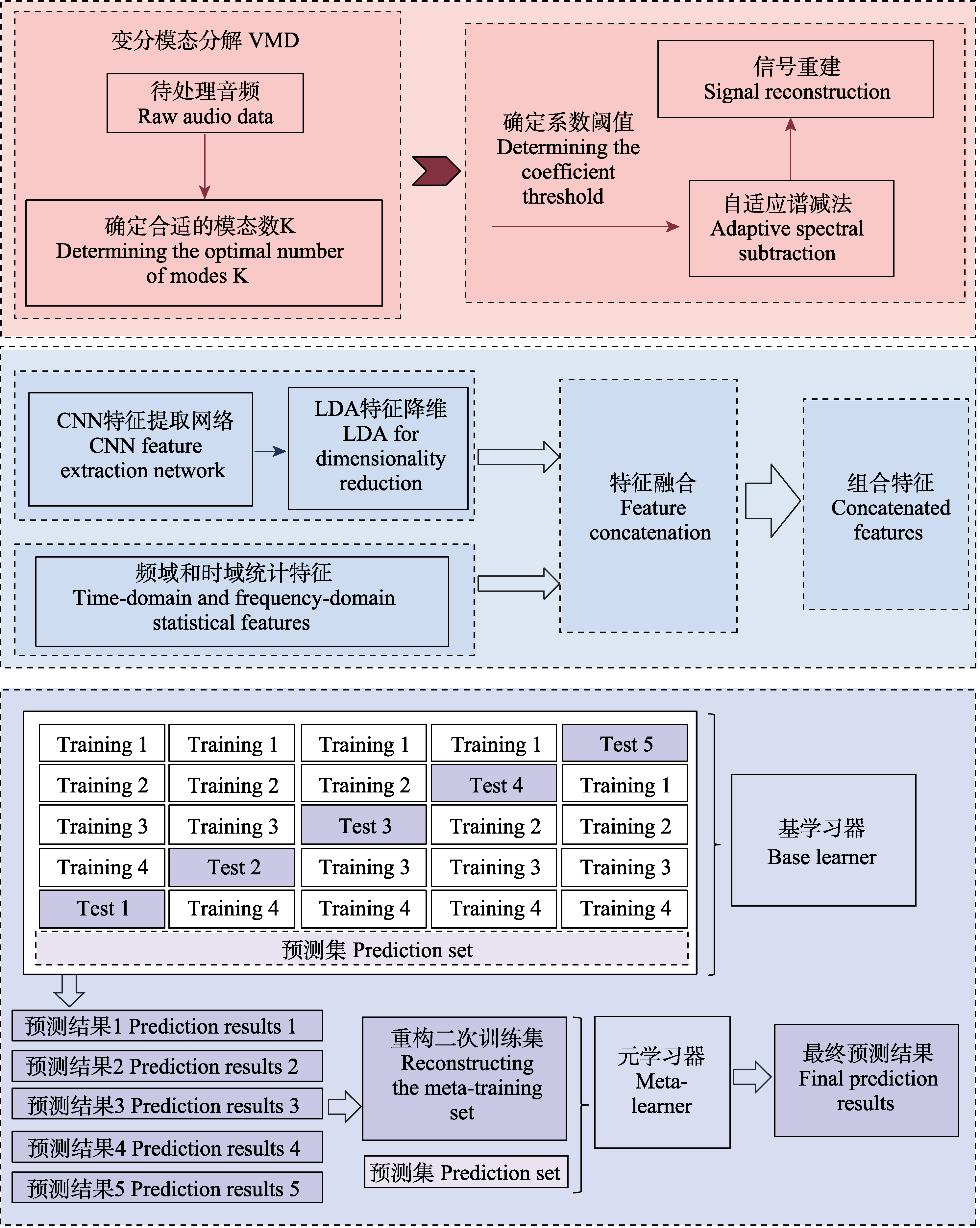
Fig. 1 An overall framework based on improved spectral subtraction and stacking ensemble learning classification model. VMD, Variational mode decomposition; CNN, Convolutional neural network; LDA, Linear discriminant analysis.
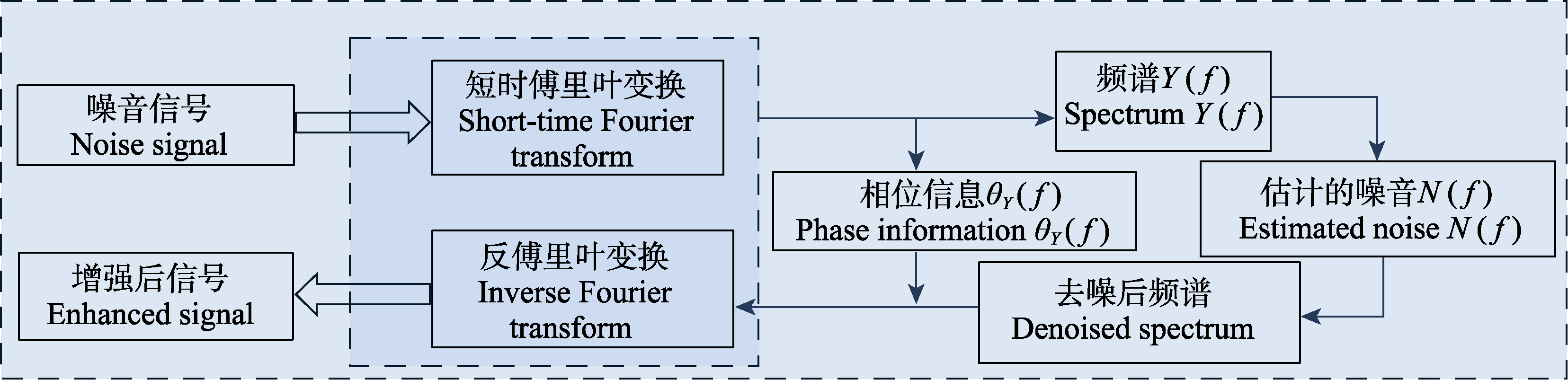
Fig. 2 Flowchart of the basic spectral subtraction method
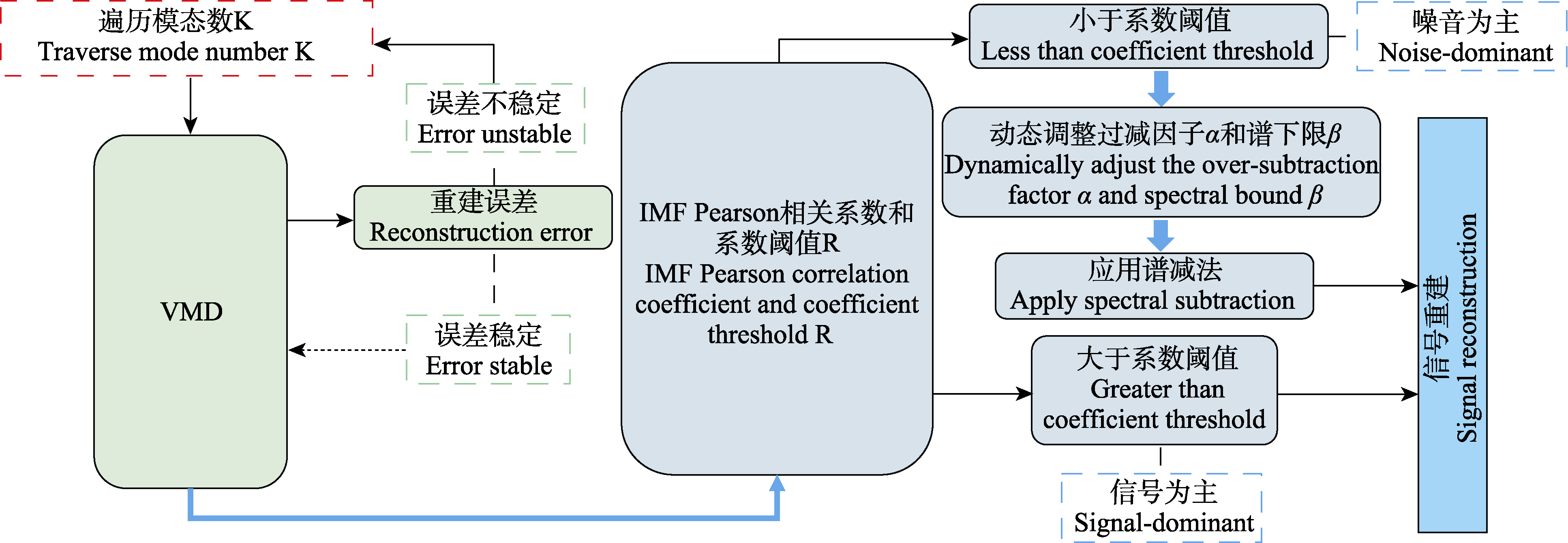
Fig. 3 Block diagram of the improved spectral subtraction method. VMD, Variational mode decomposition; IMF, Intrinsic mode function
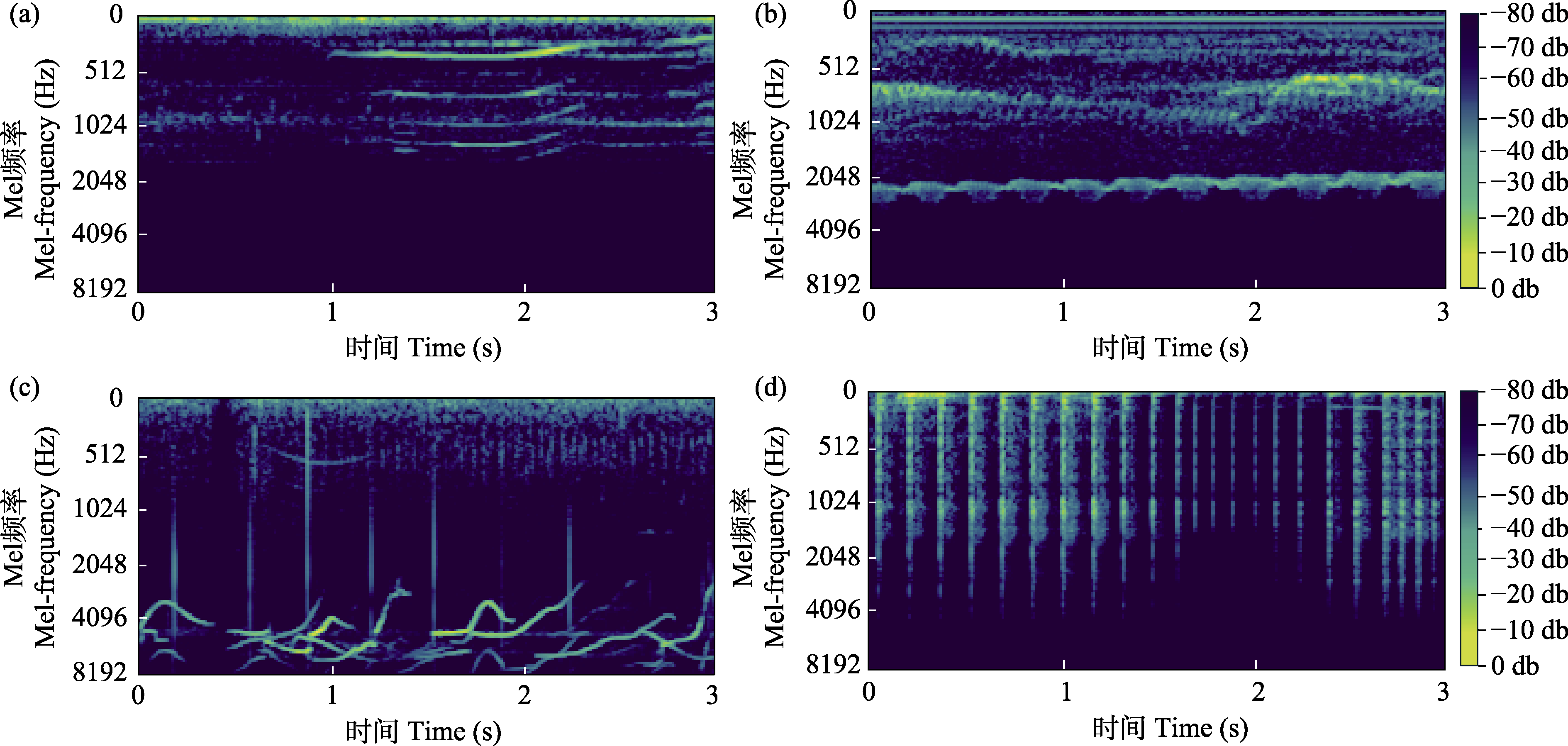
Fig. 4 Mel spectrograms of the samples of Megaptera novaeangliae (a), Erignathus barbatus (b), Delphinus delphis (c) and Odobenus rosmarus (d)
| 样本编号 Sample ID | 模态 函数1 IMF1 | 模态 函数2 IMF2 | 模态 函数3 IMF3 | 模态 函数4 IMF4 | 模态 函数5 IMF5 | 模态 函数6 IMF6 |
|---|---|---|---|---|---|---|
| 样本1 Sample 1 | 0.785 | 0.384 | 0.241 | 0.083 | 0.326 | 0.501 |
| 样本2 Sample 2 | 0.701 | 0.571 | 0.151 | 0.086 | 0.338 | 0.555 |
| 样本3 Sample 3 | 0.481 | 0.684 | 0.241 | 0.171 | 0.568 | 0.586 |
| 样本4 Sample 4 | 0.850 | 0.426 | 0.244 | 0.096 | 0.325 | 0.237 |
| 样本5 Sample 5 | 0.559 | 0.458 | 0.586 | 0.032 | 0.133 | 0.538 |
Table 1 Pearson correlation coefficients of each intrinsic mode function (IMF) component for the selected samples
| 样本编号 Sample ID | 模态 函数1 IMF1 | 模态 函数2 IMF2 | 模态 函数3 IMF3 | 模态 函数4 IMF4 | 模态 函数5 IMF5 | 模态 函数6 IMF6 |
|---|---|---|---|---|---|---|
| 样本1 Sample 1 | 0.785 | 0.384 | 0.241 | 0.083 | 0.326 | 0.501 |
| 样本2 Sample 2 | 0.701 | 0.571 | 0.151 | 0.086 | 0.338 | 0.555 |
| 样本3 Sample 3 | 0.481 | 0.684 | 0.241 | 0.171 | 0.568 | 0.586 |
| 样本4 Sample 4 | 0.850 | 0.426 | 0.244 | 0.096 | 0.325 | 0.237 |
| 样本5 Sample 5 | 0.559 | 0.458 | 0.586 | 0.032 | 0.133 | 0.538 |
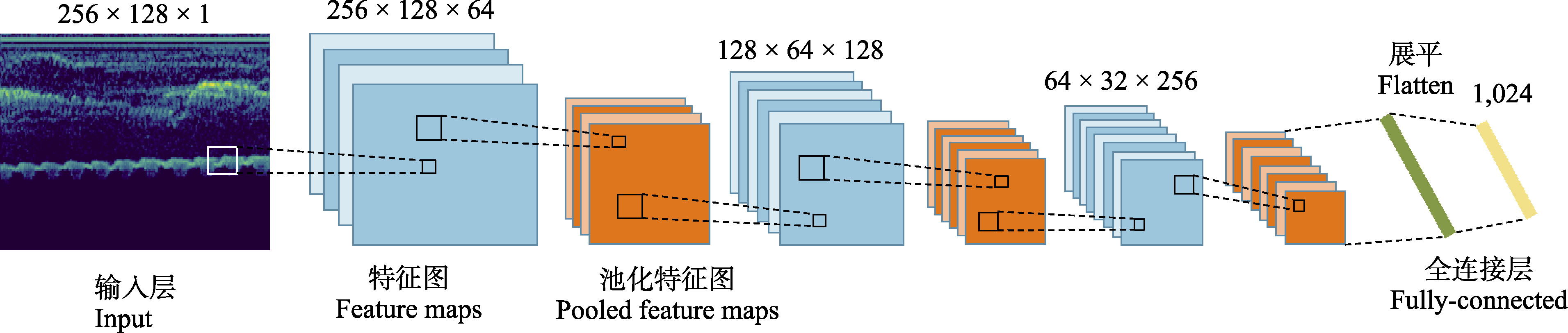
Fig. 5 Convolutional neural network architecture for Mel spectrogram deep feature extraction
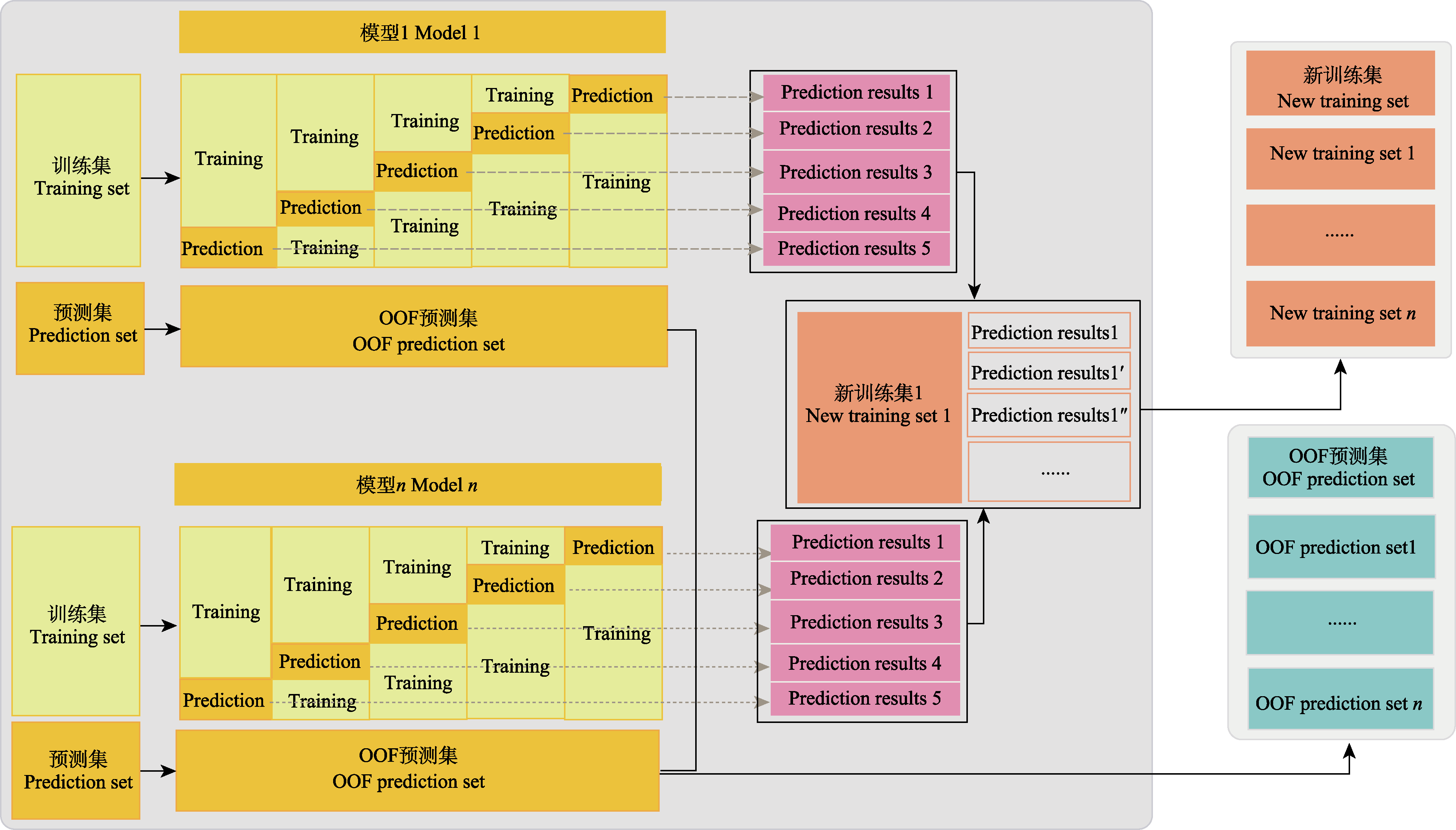
Fig. 6 Stacking ensemble learning model. OOF, Out-of-fold.
| 海洋哺乳动物声音种类 Marine mammal sound types | 音频时长 Audio duration (s) | 样本数 Number of samples |
|---|---|---|
| 海象 Odobenus rosmarus | 184 | 61 |
| 髯海豹 Erignathus barbatus | 354 | 118 |
| 真海豚 Delphinus delphis | 343 | 114 |
| 长鳍领航鲸 Globicephala melas | 528 | 175 |
| 抹香鲸 Physeter macrocephalus | 5,558 | 1,852 |
| 座头鲸 Megaptera novaeangliae | 2,920 | 973 |
| 长须鲸 Balaenoptera physalus | 2,476 | 825 |
| 短鳍领航鲸 Globicephala macrorhynchus | 1,766 | 578 |
Table 2 Marine mammal vocalization dataset information used in this study
| 海洋哺乳动物声音种类 Marine mammal sound types | 音频时长 Audio duration (s) | 样本数 Number of samples |
|---|---|---|
| 海象 Odobenus rosmarus | 184 | 61 |
| 髯海豹 Erignathus barbatus | 354 | 118 |
| 真海豚 Delphinus delphis | 343 | 114 |
| 长鳍领航鲸 Globicephala melas | 528 | 175 |
| 抹香鲸 Physeter macrocephalus | 5,558 | 1,852 |
| 座头鲸 Megaptera novaeangliae | 2,920 | 973 |
| 长须鲸 Balaenoptera physalus | 2,476 | 825 |
| 短鳍领航鲸 Globicephala macrorhynchus | 1,766 | 578 |
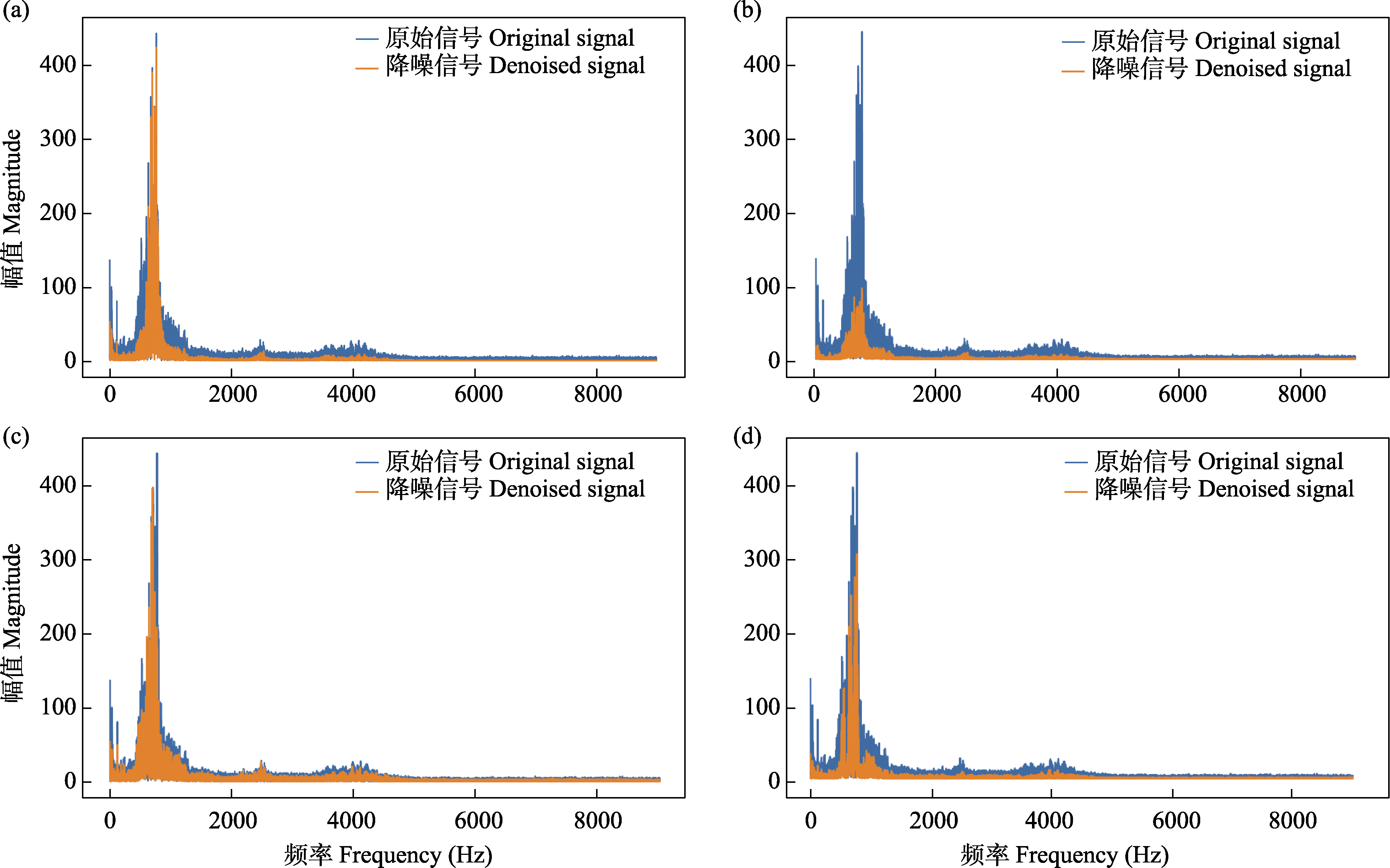
Fig. 7 Comparison of different noise reduction methods. (a) Proposed method; (b) Multi-band spectral subtraction; (c) Wiener filtering; (d) Non-negative matrix factorization.
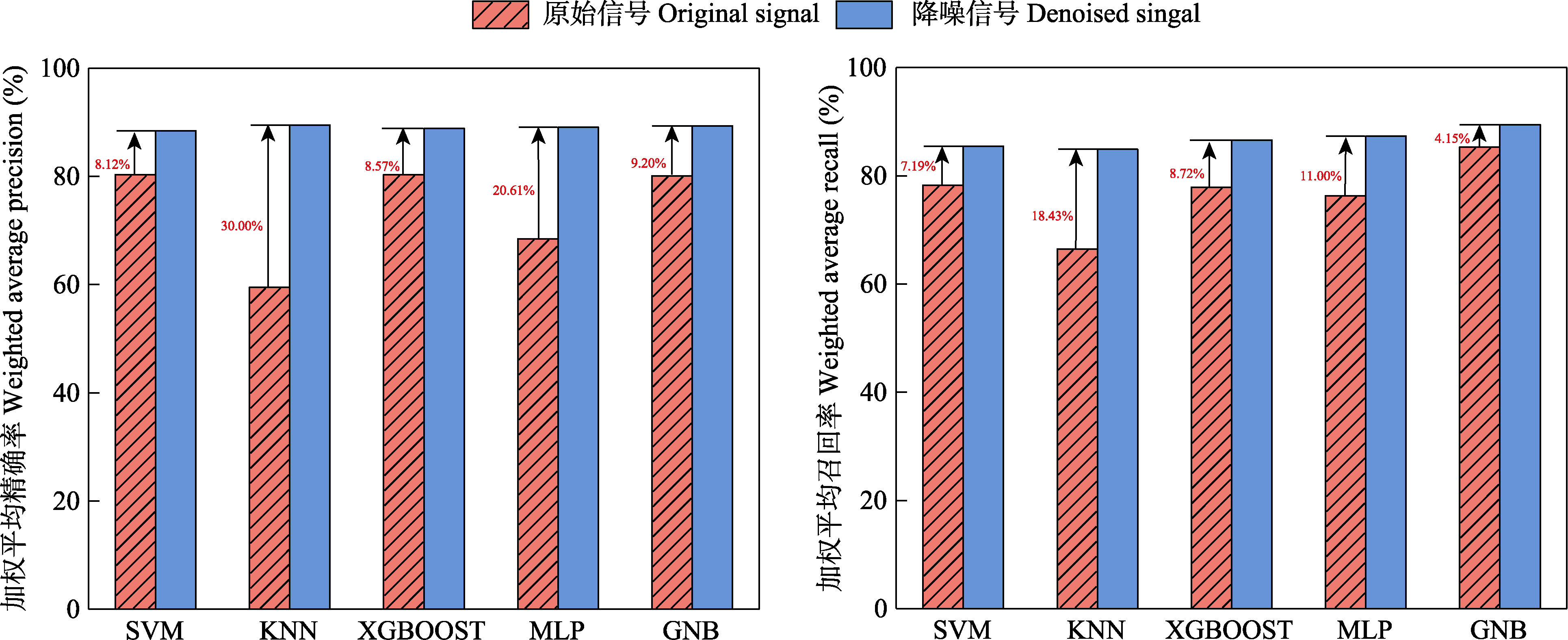
Fig. 8 Prediction performance before and after noise reduction. SVM, Support vector machine; KNN, K-nearest neighbors; XGBOOST, Extreme gradient boosting; MLP, Multilayer perceptron; GNB, Gaussian naive Bayes.
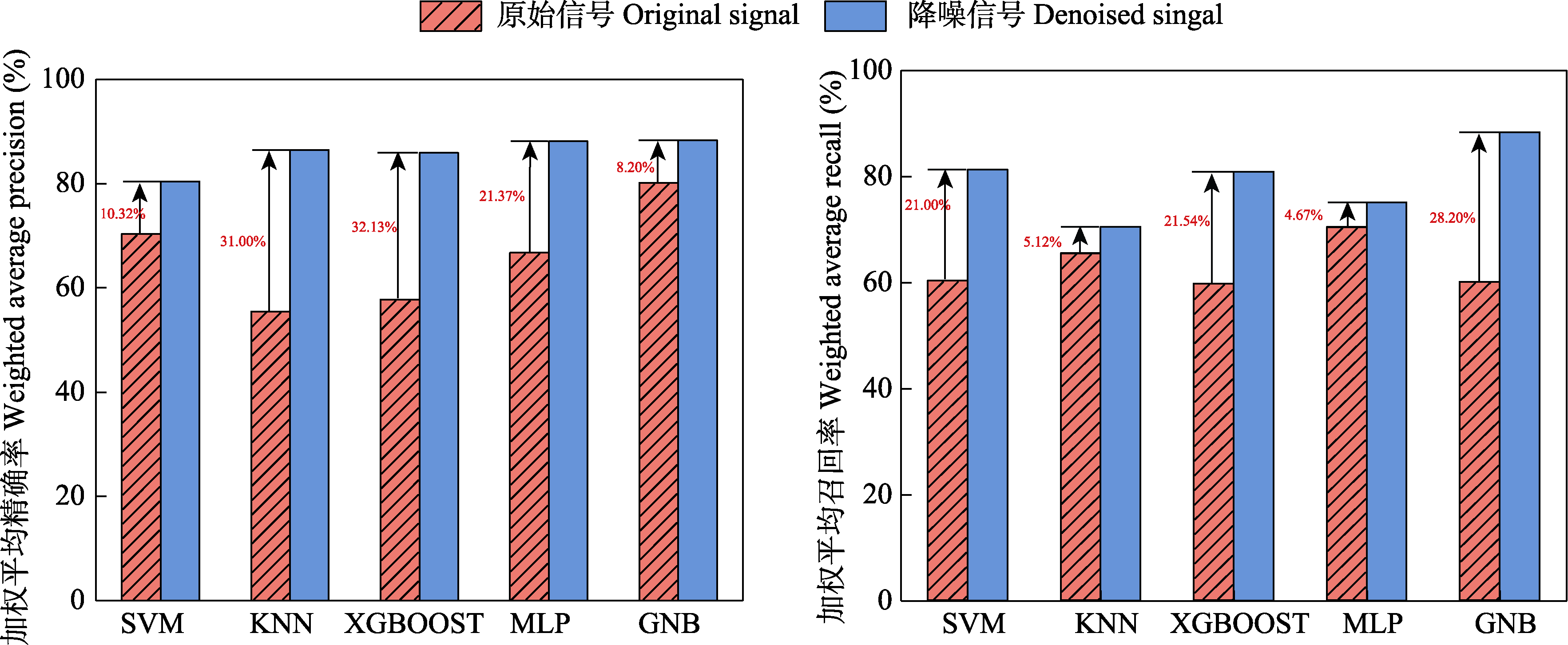
Fig. 9 Prediction performance before and after noise reduction with added non-stationary noise. SVM, Support vector machine; KNN, K-nearest neighbors; XGBOOST, Extreme gradient boosting; MLP, Multilayer perceptron; GNB, Gaussian naive Bayes.
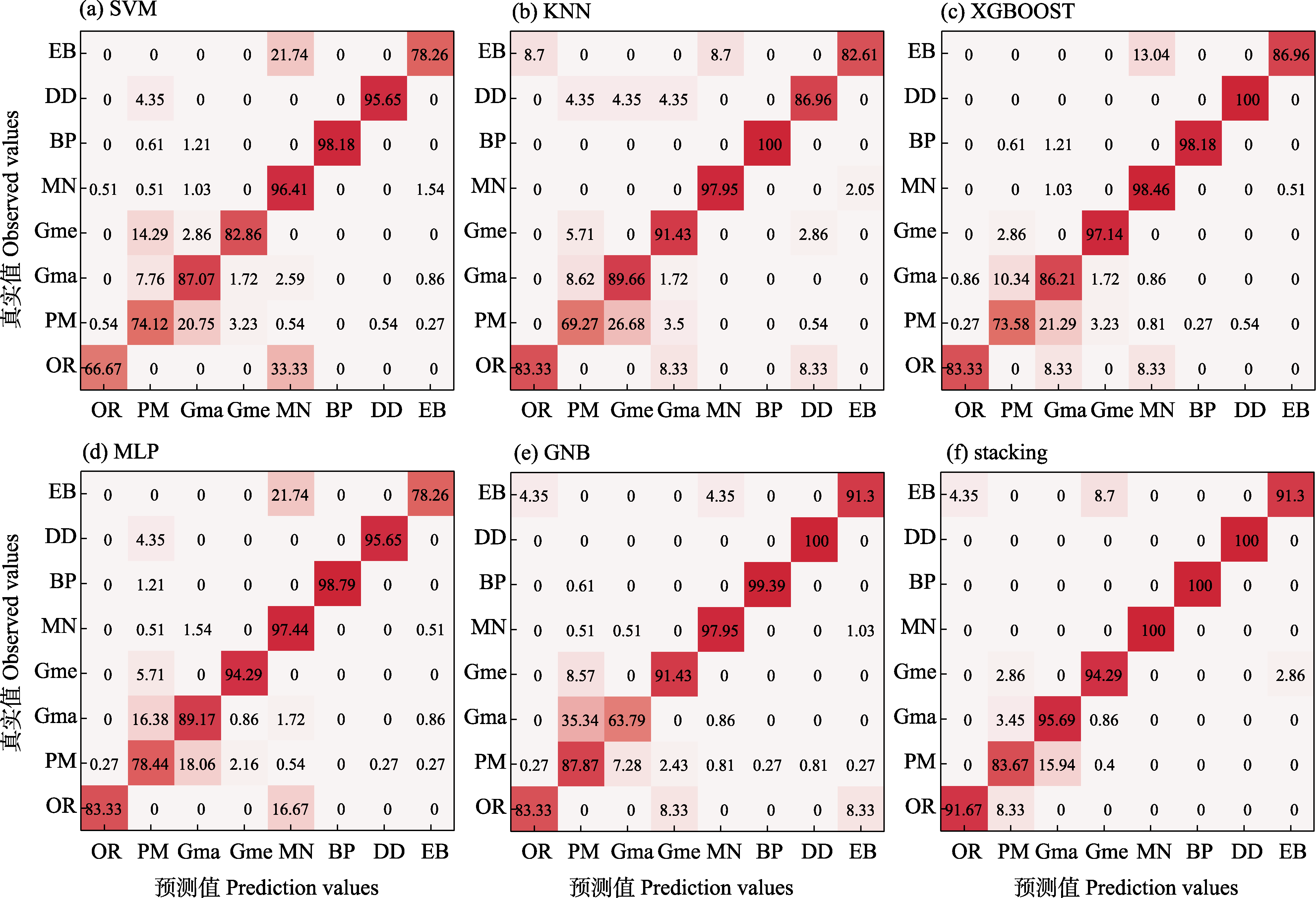
Fig. 10 Confusion matrices for marine mammal sound classification using different models. OR, Odobenus rosmarus; EB, Erignathus barbatus; DD, Delphinus delphis; Gme, Globicephala melas; PM, Physeter macrocephalus; MN, Megaptera novaeangliae; BP, Balaenoptera physalus; Gma, Globicephala macrorhynchus. SVM, Support vector machine; KNN, K-nearest neighbors; XGBOOST, Extreme gradient boosting; MLP, Multilayer perceptron; GNB, Gaussian naive Bayes; stacking, Stacking ensemble learning.
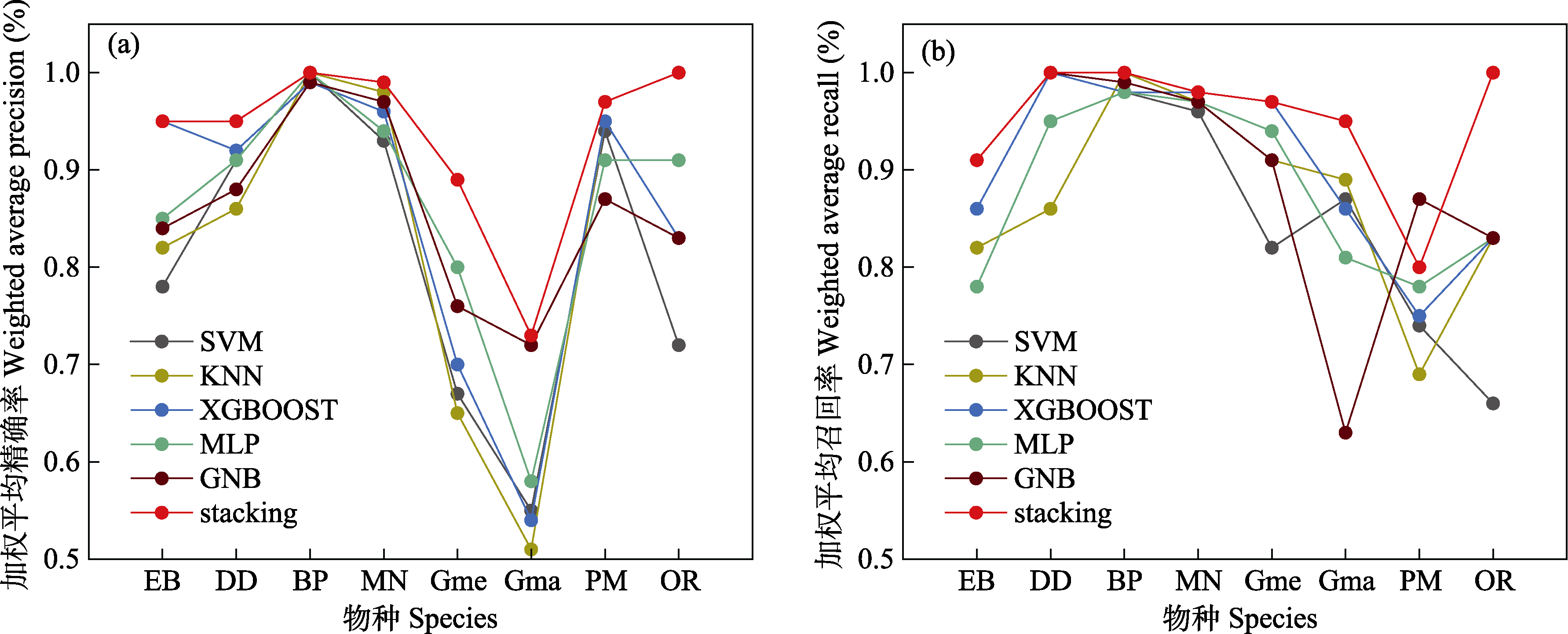
Fig.11 Comparison of precision and recall for different models. OR, Odobenus rosmarus; EB, Erignathus barbatus; DD, Delphinus delphis; Gme, Globicephala melas; PM, Physeter macrocephalus; MN, Megaptera novaeangliae; BP, Balaenoptera physalus; Gma, Globicephala macrorhynchus. SVM, Support vector machine; KNN, K-nearest neighbors; XGBOOST, Extreme gradient boosting; MLP, Multilayer perceptron; GNB, Gaussian naive Bayes; stacking, Stacking ensemble learning.
| 分类方法 Classification method | 加权平均精确率 Weighted average precision (%) | 加权平均召回率 Weighted average recall (%) | 加权平均F1分数 Weighted average F1-score (%) | 准确率 Accuracy (%) | Kappa系数 Kappa coefficient |
|---|---|---|---|---|---|
| 支持向量机 SVM | 88.44 | 85.43 | 85.98 | 85.32 | 0.81 |
| K近邻 KNN | 89.50 | 84.89 | 85.65 | 84.89 | 0.80 |
| 极限梯度提升 XGBOOST | 89.89 | 86.60 | 87.17 | 86.60 | 0.82 |
| 多层感知机 MLP | 89.07 | 87.33 | 87.23 | 87.23 | 0.83 |
| 高斯朴素贝叶斯 GNB | 89.32 | 89.47 | 89.32 | 89.66 | 0.86 |
| 堆叠集成学习 stacking | 94.81 | 93.78 | 93.93 | 94.78 | 0.92 |
Table 3 Comparison of classification performance between base learners and the stacking ensemble model. SVM, Support vector machine; KNN, K-nearest neighbors; XGBOOST, Extreme gradient boosting; MLP, Multilayer perceptron; GNB, Gaussian naive Bayes; stacking, Stacking ensemble learning.
| 分类方法 Classification method | 加权平均精确率 Weighted average precision (%) | 加权平均召回率 Weighted average recall (%) | 加权平均F1分数 Weighted average F1-score (%) | 准确率 Accuracy (%) | Kappa系数 Kappa coefficient |
|---|---|---|---|---|---|
| 支持向量机 SVM | 88.44 | 85.43 | 85.98 | 85.32 | 0.81 |
| K近邻 KNN | 89.50 | 84.89 | 85.65 | 84.89 | 0.80 |
| 极限梯度提升 XGBOOST | 89.89 | 86.60 | 87.17 | 86.60 | 0.82 |
| 多层感知机 MLP | 89.07 | 87.33 | 87.23 | 87.23 | 0.83 |
| 高斯朴素贝叶斯 GNB | 89.32 | 89.47 | 89.32 | 89.66 | 0.86 |
| 堆叠集成学习 stacking | 94.81 | 93.78 | 93.93 | 94.78 | 0.92 |
| [1] | An GP, Tong QB, Zhang YN, Liu RF, Li WL, Cao JC, Lin YY (2021) An improved variational mode decomposition and its application on fault feature extraction of rolling element bearing. Energies, 14, 1079. |
| [2] |
Baltrušaitis T, Ahuja C, Morency LP (2019) Multimodal machine learning: A survey and taxonomy. IEEE Transactions on Pattern Analysis and Machine Intelligence, 41, 423-443.
DOI PMID |
| [3] | Berouti M, Schwartz R, Makhoul J (1979) Enhancement of speech corrupted by acoustic noise. In: ICASSP’79 IEEE International Conference on Acoustics, Speech, and Signal Processing pp. 208-211. IEEE, Washington, DC. |
| [4] |
Chen HL, Sun HX, Junejo NUR, Yang GS, Qi J (2019) Whale vocalization classification using feature extraction with resonance sparse signal decomposition and ridge extraction. IEEE Access, 7, 136358-136368.
DOI URL |
| [5] | Chen JJ, Zou DP, Sun H (2024) Overview of acoustic signal detection and recognition technology for marine mammals. Journal of Applied Acoustics, 43, 1170-1180. (in Chinese with English abstract) |
| [陈俊杰, 邹大鹏, 孙晗 (2024) 海洋哺乳动物声信号检测与识别技术研究进展. 应用声学, 43, 1170-1180.] | |
| [6] | Cunningham JP, Ghahramani Z (2015) Linear dimensionality reduction: Survey, insights, and generalizations. Journal of Machine Learning Research, 16, 2859-2900. |
| [7] |
Darias-O’Hara AK, Booth CG, Erbe C, Isojunno S, Janik VM, Lucke K, Southall B, Tougaard J, von Benda-Beckmann AM, Verfuss UK (2025) Behavioural response thresholds for the assessment of noise impact on Antarctic marine mammal species. Marine Policy, 179, 106738.
DOI URL |
| [8] | Dragomiretskiy K, Zosso D (2014) Variational mode decomposition. IEEE Transactions on Signal Processing, 62, 531-544. |
| [9] |
Gillespie D, Caillat M, Gordon J, White P (2013) Automatic detection and classification of odontocete whistles. The Journal of the Acoustical Society of America, 134, 2427-2437.
DOI URL |
| [10] |
Hwangbo L, Kang YJ, Kwon H, Lee JI, Cho HJ, Ko JK, Sung SM, Lee TH (2022) Stacking ensemble learning model to predict 6-month mortality in ischemic stroke patients. Scientific Reports, 12, 17389.
DOI PMID |
| [11] |
Kim SY, Lee HM, Lim CY, Kim HW (2025) Detection of abnormal symptoms using acoustic-spectrogram-based deep learning. Applied Sciences, 15, 4679.
DOI URL |
| [12] | Li HL, Jin Y, Zhong JL, Zhao RX (2021) A fruit tree disease diagnosis model based on stacking ensemble learning. Complexity, 2021, 6868592. |
| [13] |
Li YX, Li YA, Chen X, Yu J (2018) Research on ship-radiated noise denoising using secondary variational mode decomposition and correlation coefficient. Sensors, 18, 48.
DOI URL |
| [14] | Lu XG, Tsao Y, Matsuda S, Hori C (2013) Speech enhancement based on deep denoising autoencoder. Interspeech, 436-440. |
| [15] |
Mallawaarachchi A, Ong SH, Chitre M, Taylor E (2008) Spectrogram denoising and automated extraction of the fundamental frequency variation of dolphin whistles. Journal of the Acoustical Society of America, 124, 1159-1170.
DOI PMID |
| [16] | Shen XH, Li GY, Shi HF, Wang CZ (2024) Ensemble learning strategy for birdsong recognition under data imbalance. Biodiversity Science, 32, 24215. (in Chinese with English abstract) |
|
[申小虎, 李冠宇, 史洪飞, 王传之 (2024) 数据不平衡下鸟声识别的集成学习策略. 生物多样性, 32, 24215.]
DOI |
|
| [17] |
Wang XQ, Jiang JJ, Duan FJ, Liang CJ, Li CY, Sun ZB, Lu RC, Li FY, Xu JY, Fu X (2021) A method for enhancement and automated extraction and tracing of Odontoceti whistle signals base on time-frequency spectrogram. Applied Acoustics, 176, 107698.
DOI URL |
| [18] |
Yang S, Fan ZM, Zhang WX (2023) Tree species classification based on stacking monocular vision combined with parameter factor analysis. Journal of Forestry Engineering, 8(3), 173-181. (in Chinese with English abstract)
DOI |
| [杨森, 樊仲谋, 张文宣 (2023) 基于Stacking单目视觉组合参数的树种分类研究. 林业工程学报, 8(3), 173-181.] | |
| [19] |
Zhang YY, Bai YS, Wen YT, Luo XY (2024) Whale sound signal denoising based on SVMD and improved wavelet thresholding. Measurement Science and Technology, 35, 097001.
DOI |
| [20] | Zheng YY, Li X, Chen YX, Zhao YN (2024) Short-term wind power forecasting method in extreme weather based on stacking multi-model fusion. High Voltage Engineering, 50, 3871-3882. (in Chinese with English abstract) |
| [郑颖颖, 李鑫, 陈延旭, 赵永宁 (2024) 基于Stacking多模型融合的极端天气短期风电功率预测方法. 高电压技术, 50, 3871-3882.] |
| No related articles found! |
| Viewed | ||||||
|
Full text |
|
|||||
|
Abstract |
|
|||||
Copyright © 2026 Biodiversity Science
Editorial Office of Biodiversity Science, 20 Nanxincun, Xiangshan, Beijing 100093, China
Tel: 010-62836137, 62836665 E-mail: biodiversity@ibcas.ac.cn

