
Effects of urbanization on interspecific interactions involving birds
Received date: 2024-02-01
Accepted date: 2024-05-20
Online published: 2024-06-05
Supported by
National Key Research and Development Program of China(2022YFF0802400)
Background & Aim: Urbanization has caused widespread changes in species habitats, leading to changes in community composition and species traits. This process has notably transformed the interspecific interactions involving birds, but current research has limited knowledge about this change. In this paper, the modification patterns of predator-prey interactions, host-parasite interactions, competitive interactions, and mutualistic interactions involving birds in urban environments are reviewed, to provide suggestions for future research and conservation efforts on birds in urban environments.
Review Results: With increasing urbanization, the identity of species involved in various forms of interspecific interactions is directly affected by changes in species composition, leading to changes in the process, intensity, and outcomes of interspecific interactions. In predator-prey interactions, anthropogenic disturbances, enhanced resource availability, and habitat changes modify the community composition of both predators and prey. These changes affect the predation behavior of predators and the antipredator behavior of prey. In host-parasite interactions, pollution and zoonotic disease transmission change parasite taxa, while the spatial concentration and diminished diversity of urban bird communities heighten disease transmission risks. Additionally, factors such as dietary quality and environmental disturbances influence host immunophysiology. In competitive interactions, adaptation of birds to urban environment leads to intensification of competitive behavior, and stabilization of the environment and resource availability may increase competitive intensity and promote competitive exclusion. In mutualistic interactions between birds and plants, the loss of native species and the introduction of exotic species reduce the uniqueness of interactions. Landscape features such as habitat fragmentation affect spatial patterns of pollination and seed dispersal. Changes in the participants and processes of interspecific interactions can modify the nodes and edges in interaction networks and the structural characteristics of such networks, decrease in species diversity simplifies the network structure, while the loss of specialist species and rise of generalist species enhance evenness and reduce the specialization of the interactive networks.
Prospect: There are three important directions for future research on interspecific interactions in urban birds: (1) Development of methods for identifying and quantifying interspecific interactions; (2) Development of ecological network theories, including multilayer networks, in the study of interspecific interactions in urban birds; (3) Utilization of interspecific interactions to increase the effectiveness of conservation in urban bird conservation.
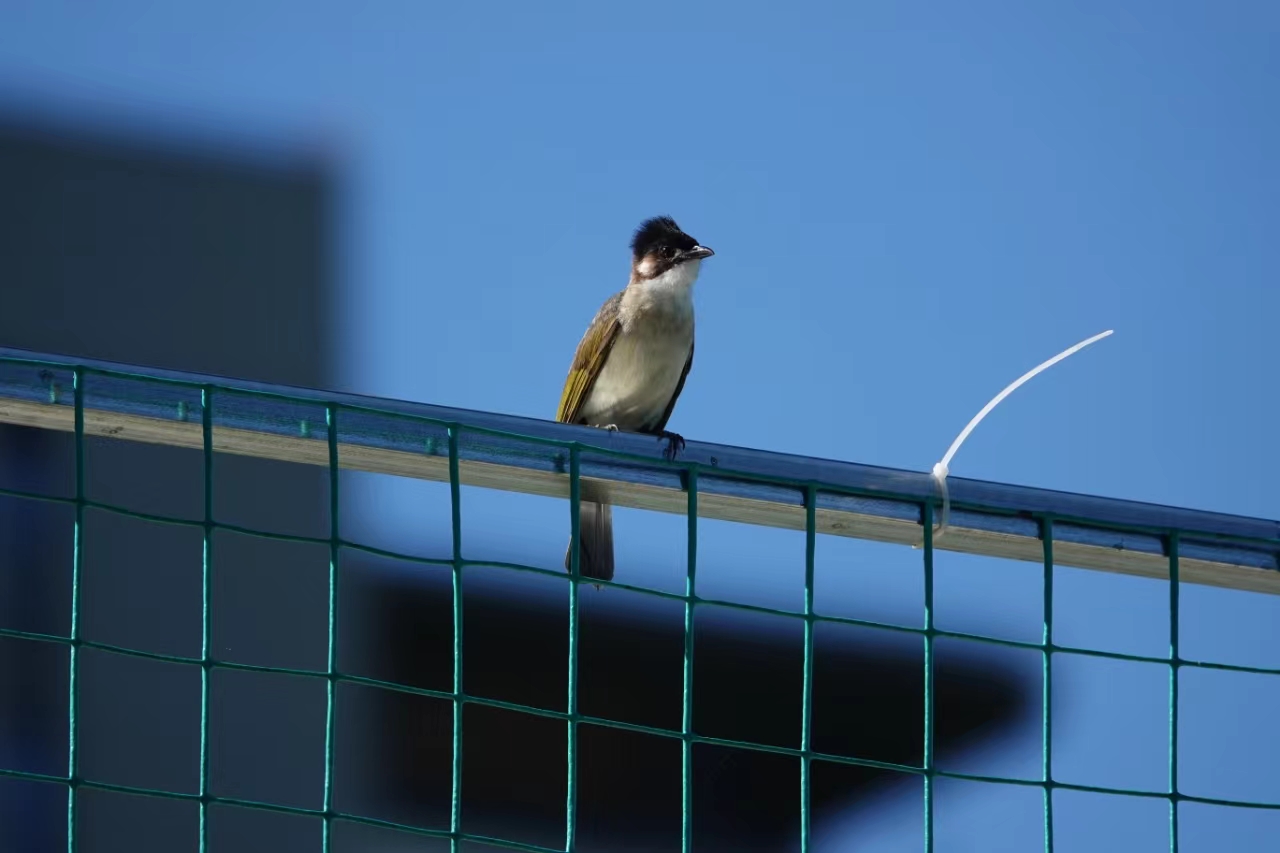
Key words: birds; urbanization; interspecific interaction; interaction network; biodiversity
Zhiqing Hu , Lu Dong . Effects of urbanization on interspecific interactions involving birds[J]. Biodiversity Science, 2024 , 32(8) : 24048 . DOI: 10.17520/biods.2024048
| [1] | Albery GF, Carlson CJ, Cohen LE, Eskew EA, Gibb R, Ryan SJ, Sweeny AR, Becker DJ (2022) Urban-adapted mammal species have more known pathogens. Nature Ecology & Evolution, 6, 794-801. |
| [2] | Anderies JM, Katti M, Shochat E (2007) Living in the city: Resource availability, predation, and bird population dynamics in urban areas. Journal of Theoretical Biology, 247, 36-49. |
| [3] | Aronson MFJ, Nilon CH, Lepczyk CA, Parker TS, Warren PS, Cilliers SS, Goddard MA, Hahs AK, Herzog C, Katti M, La Sorte FA, Williams NSG, Zipperer W (2016) Hierarchical filters determine community assembly of urban species pools. Ecology, 97, 2952-2963. |
| [4] | Bahia R, Lambertucci SA, Plaza PI, Speziale KL (2022) Antagonistic-mutualistic interaction between parrots and plants in the context of global change: Biological introductions and novel ecosystems. Biological Conservation, 265, 109399. |
| [5] | Barraclough TG (2015) How do species interactions affect evolutionary dynamics across whole communities? Annual Review of Ecology, Evolution, and Systematics, 46, 25-48. |
| [6] | Begon M, Townsend CR, Haroer JL (translated by Li B, Zhang DY, Wang DH) (2016) Ecology:From Individuals to Ecosystem. Higher Education Press, Beijing. (in Chinese) |
| [李博, 张大勇, 王德华 (译) (2016) 生态学: 从个体到生态系统. 高等教育出版社, 北京.] | |
| [7] | Bradley CA, Altizer S (2007) Urbanization and the ecology of wildlife diseases. Trends in Ecology & Evolution, 22, 95-102. |
| [8] | Branston CJ, Capilla-Lasheras P, Pollock CJ, Griffiths K, White S, Dominoni DM (2021) Urbanisation weakens selection on the timing of breeding and clutch size in blue tits but not in great tits. Behavioral Ecology and Sociobiology, 75, 155. |
| [9] | Caizergues AE, Grégoire A, Choquet R, Perret S, Charmantier A (2022) Are behaviour and stress-related phenotypes in urban birds adaptive? Journal of Animal Ecology, 91, 1627-1641. |
| [10] | Canestrari D, Bolopo D, Turlings TCJ, R?der G, Marcos JM, Baglione V (2014) From parasitism to mutualism: Unexpected interactions between a cuckoo and its host. Science, 343, 1350-1352. |
| [11] | Chiron F, Julliard R (2007) Responses of songbirds to magpie reduction in an urban habitat. The Journal of Wildlife Management, 71, 2624-2631. |
| [12] | Coetzee A, Barnard P, Pauw A (2018) Urban nectarivorous bird communities in Cape Town, South Africa, are structured by ecological generalisation and resource distribution. Journal of Avian Biology, 49, 01526. |
| [13] | Cruz JC, Ramos JA, da Silva LP, Tenreiro PQ, Heleno RH (2013) Seed dispersal networks in an urban novel ecosystem. European Journal of Forest Research, 132, 887-897. |
| [14] | Dong AR, He XL, Deng YM, Lin LX, Goodale E (2023) Passive acoustic surveys reveal interactions between frugivorous birds and fruiting trees on a large forest dynamics plot. Remote Sensing in Ecology and Conservation, 9, 284-295. |
| [15] | Estes WA, Mannan RW (2003) Feeding behavior of Cooper’s Hawks at urban and rural nests in southeastern Arizona. The Condor, 105, 107-116. |
| [16] | Evans KL, Chamberlain DE, Hatchwell BJ, Gregory RD, Gaston KJ (2011) What makes an urban bird? Global Change Biology, 17, 32-44. |
| [17] | Evans KL, Hatchwell BJ, Parnell M, Gaston KJ (2010) A conceptual framework for the colonisation of urban areas: The blackbird Turdus merula as a case study. Biological Reviews, 85, 643-667. |
| [18] | Fenoglio MS, Rossetti MR, Videla M (2020) Negative effects of urbanization on terrestrial arthropod communities: A meta-analysis. Global Ecology and Biogeography, 29, 1412-1429. |
| [19] | Fischer JD, Cleeton SH, Lyons TP, Miller JR (2012) Urbanization and the predation paradox: The role of trophic dynamics in structuring vertebrate communities. BioScience, 62, 809-818. |
| [20] | Flores-Ferrer A, Suzán G, Waleckx E, Gourbière S (2023) Assessing the risk of West Nile Virus seasonal outbreaks and its vector control in an urbanizing bird community: An integrative R0-modelling study in the city of Merida, Mexico. PLoS Neglected Tropical Diseases, 17, e0011340. |
| [21] | Frydman N, Freilikhman S, Talpaz I, Pilosof S (2023) Practical guidelines and the EMLN R package for handling ecological multilayer networks. Methods in Ecology and Evolution, 14, 2964-2973. |
| [22] | Galbraith JA, Stanley MC, Jones DN, Beggs JR (2017) Experimental feeding regime influences urban bird disease dynamics. Journal of Avian Biology, 48, 700-713. |
| [23] | Hajdasz AC, Otter KA, Baldwin LK, Reudink MW (2019) Caterpillar phenology predicts differences in timing of mountain chickadee breeding in urban and rural habitats. Urban Ecosystems, 22, 1113-1122. |
| [24] | Hamer SA, Lehrer E, Magle SB (2012) Wild birds as sentinels for multiple zoonotic pathogens along an urban to rural gradient in greater Chicago, Illinois. Zoonoses and Public Health, 59, 355-364. |
| [25] | Han YQ, Bai JP, Zhang Z, Wu T, Chen P, Sun GL, Miao LW, Xu ZF, Yu LJ, Zhu CY, Zhao DQ, Ge G, Ruan LZ (2019) Nest site selection for five common birds and their coexistence in an urban habitat. Science of the Total Environment, 690, 748-759. |
| [26] | Hardman SI, Dalesman S (2018) Repeatability and degree of territorial aggression differs among urban and rural great tits (Parus major). Scientific Reports, 8, 5042. |
| [27] | Harris DJ (2016) Inferring species interactions from co- occurrence data with Markov networks. Ecology, 97, 3308-3314. |
| [28] | Heinen JH, Rahbek C, Borregaard MK (2020) Conservation of species interactions to achieve self-sustaining ecosystems. Ecography, 43, 1603-1611. |
| [29] | Holl KD, Luong JC, Brancalion PHS (2022) Overcoming biotic homogenization in ecological restoration. Trends in Ecology & Evolution, 37, 777-788. |
| [30] | Huang Y, Wen C (2021) The transformation of key tasks of urban biodiversity protection and ecological restoration in China. Beijing Planning Review, (5), 10-13. (in Chinese) |
| [黄越, 闻丞 (2021) 我国城市生物多样性保护和生态修复重点任务的转变. 北京规划建设, (5), 10-13.] | |
| [31] | Hughes AC, Orr MC, Lei FM, Yang QM, Qiao HJ (2022) Understanding drivers of global urban bird diversity. Global Environmental Change, 76, 102588. |
| [32] | Hutchinson MC, Bramon Mora B, Pilosof S, Barner AK, Kéfi S, Thébault E, Jordano P, Stouffer DB (2019) Seeing the forest for the trees: Putting multilayer networks to work for community ecology. Functional Ecology, 33, 206-217. |
| [33] | Jiménez-Pe?uela J, Ferraguti M, Martínez-de LPJ, Soriguer R, Figuerola J (2019) Urbanization and blood parasite infections affect the body condition of wild birds. Science of the Total Environment, 651, 3015-3022. |
| [34] | Johnson BJ, Munafo K, Shappell L, Tsipoura N, Robson M, Ehrenfeld J, Sukhdeo MVK (2012) The roles of mosquito and bird communities on the prevalence of West Nile virus in urban wetland and residential habitats. Urban Ecosystems, 15, 513-531. |
| [35] | Keesing F, Belden LK, Daszak P, Dobson A, Harvell CD, Holt RD, Hudson P, Jolles A, Jones KE, Mitchell CE, Myers SS, Bogich T, Ostfeld RS (2010) Impacts of biodiversity on the emergence and transmission of infectious diseases. Nature, 468, 647-652. |
| [36] | Kleyheeg E, Treep J, de Jager M, Nolet BA, Soons MB (2017) Seed dispersal distributions resulting from landscape- dependent daily movement behaviour of a key vector species, Anas platyrhynchos. Journal of Ecology, 105, 1279-1289. |
| [37] | Koenig WD, Hochachka WM, Zuckerberg B, Dickinson JL (2010) Ecological determinants of American crow mortality due to West Nile virus during its North American sweep. Oecologia, 163, 903-909. |
| [38] | Koop JAH, Kim PS, Knutie SA, Adler F, Clayton DH (2016) An introduced parasitic fly may lead to local extinction of Darwin’s finch populations. Journal of Applied Ecology, 53, 511-518. |
| [39] | Kozlov MV, Lanta V, Zverev V, Rainio K, Kunavin MA, Zvereva EL (2017) Decreased losses of woody plant foliage to insects in large urban areas are explained by bird predation. Global Change Biology, 23, 4354-4364. |
| [40] | Kunca T, Yosef R (2016) Differential nest-defense to perceived danger in urban and rural areas by female Eurasian sparrowhawk (Accipiter nisus). PeerJ, 4, e2070. |
| [41] | La Sorte FA, Lepczyk CA, Aronson MFJ, Goddard MA, Hedblom M, Katti M, MacGregor-Fors I, M?rtberg U, Nilon CH, Warren PS, Williams NSG, Yang J (2018) The phylogenetic and functional diversity of regional breeding bird assemblages is reduced and constricted through urbanization. Diversity and Distributions, 24, 928-938. |
| [42] | LaPointe DA, Atkinson CT, Samuel MD (2012) Ecology and conservation biology of avian malaria. Annals of the New York Academy of Sciences, 1249, 211-226. |
| [43] | Lees AC, Haskell L, Allinson T, Bezeng SB, Burfield IJ, Renjifo LM, Rosenberg KV, Viswanathan A, Butchart SHM (2022) State of the World’s Birds. Annual Review of Environment and Resources, 47, 231-260. |
| [44] | Li HD, Wu XW, Xiao ZS (2021) Assembly, ecosystem functions, and stability in species interaction networks. Chinese Journal of Plant Ecology, 45, 1049-1063. (in Chinese with English abstract) |
| [李海东, 吴新卫, 肖治术 (2021) 种间互作网络的结构、生态系统功能及稳定性机制研究. 植物生态学报, 45, 1049-1063.] | |
| [45] | Li YH, Wan Y, Shen H, Loss SR, Marra PP, Li ZQ (2021) Estimates of wildlife killed by free-ranging cats in China. Biological Conservation, 253, 108929. |
| [46] | Li YX, Zheng X (2024) A study of Toronto’s bird-friendly city policy planning and implications for Beijing’s central district. Beijing Planning Review, (1), 107-111. (in Chinese) |
| [李怡啸, 郑曦 (2024) 多伦多鸟类友好城市政策规划研究及对北京中心城区的启示. 北京规划建设, (1), 107-111.] | |
| [47] | Liu DJ, Semenchuk P, Essl F, Lenzner B, Moser D, Blackburn TM, Cassey P, Biancolini D, Capinha C, Dawson W, Dyer EE, Guénard B, Economo EP, Kreft H, Pergl J, Py?ek P, van Kleunen M, Nentwig W, Rondinini C, Seebens H, Weigelt P, Winter M, Purvis A, Dullinger S (2023) The impact of land use on non-native species incidence and number in local assemblages worldwide. Nature Communications, 14, 2090. |
| [48] | Liu ZF, He CY, Wu JG (2016) The relationship between habitat loss and fragmentation during urbanization: An empirical evaluation from 16 world cities. PLoS ONE, 11, e0154613. |
| [49] | Loss SR, Will T, Marra PP (2013) The impact of free-ranging domestic cats on wildlife of the United States. Nature Communications, 4, 1396. |
| [50] | Lowry H, Lill A, Wong BBM (2013) Behavioural responses of wildlife to urban environments. Biological Reviews, 88, 537-549. |
| [51] | Mammides C, Chen J, Goodale UM, Kotagama SW, Sidhu S, Goodale E (2015) Does mixed-species flocking influence how birds respond to a gradient of land-use intensity? Proceedings of the Royal Society B: Biological Sciences, 282, 20151118. |
| [52] | Marcacci G, Westphal C, Wenzel A, Raj V, N?lke N, Tscharntke T, Grass I (2021) Taxonomic and functional homogenization of farmland birds along an urbanization gradient in a tropical megacity. Global Change Biology, 27, 4980-4994. |
| [53] | Marques DC, Kissling WD (2022) The mutualism-antagonism continuum in Neotropical palm-frugivore interactions: From interaction outcomes to ecosystem dynamics. Biological Reviews, 97, 527-553. |
| [54] | Martin LB, Boruta M (2013) The impacts of urbanization on avian disease transmission and emergence. In: Avian Urban Ecology: Behavioural and Physiological Adaptations (eds Gil D, Brumm H), pp. 116-128. Oxford University Press, Oxford. |
| [55] | Martin PR (2014) Trade-offs and biological diversity:Integrative answers to ecological questions. In: Integrative Organismal Biology (eds Martin LB, Ghalambor CK, Woods HA), pp. 291-308. John Wiley & Sons, Inc., New Jersey. |
| [56] | Martin PR, Bonier F (2018) Species interactions limit the occurrence of urban-adapted birds in cities. Proceedings of the National Academy of Sciences, USA, 115, E11495- E11504. |
| [57] | Martin TE (2015) Age-related mortality explains life history strategies of tropical and temperate songbirds. Science, 349, 966-970. |
| [58] | Martin TE, Briskie JV (2009) Predation on dependent offspring:A review of the consequences for mean expression and phenotypic plasticity in avian life history traits. Annals of the New York Academy of Sciences, 1168, 201-217. |
| [59] | Martín-Vélez V, Montalvo T, Afán I, Sánchez-Márquez A, Aymí R, Figuerola J, Lovas-Kiss á, Navarro J (2022) Gulls living in cities as overlooked seed dispersers within and outside urban environments. Science of the Total Environment, 823, 153535. |
| [60] | Maruyama PK, Mendes-Rodrigues C, Alves-Silva E, Cunha AF (2012) Parasites in the neighbourhood: Interactions of the mistletoe Phoradendron affine (Viscaceae) with its dispersers and hosts in urban areas of Brazil. Flora-Morphology, Distribution, Functional Ecology of Plants, 207, 768-773. |
| [61] | Minias P (2023) The effects of urban life on animal immunity: Adaptations and constraints. Science of the Total Environment, 895, 165085. |
| [62] | M?ller AP, Díaz M, Nelson HEX (2018) Niche segregation, competition, and urbanization. Current Zoology, 64, 145-152. |
| [63] | Montesinos-Navarro A, Hiraldo F, Tella JL, Blanco G (2017) Network structure embracing mutualism-antagonism continuums increases community robustness. Nature Ecology & Evolution, 1, 1661-1669. |
| [64] | Mougi A, Kondoh M (2012) Diversity of interaction types and ecological community stability. Science, 337, 349-351. |
| [65] | Mubamba S, Nduna N, Siachoono S, Chibesa M, Phiri D, Chama L (2022) Plant-frugivore networks are robust to species loss even in highly built-up urban ecosystems. Oecologia, 199, 637-648. |
| [66] | Nankoo S, Raymond S, Galvez-Cloutier R (2019) The impact of the Jacques Cartier bridge illumination on the food chain: From insects to predators. Community Ecology, 20, 172-180. |
| [67] | Narango DL, Tallamy DW, Marra PP (2018) Nonnative plants reduce population growth of an insectivorous bird. Proceedings of the National Academy of Sciences, USA, 115, 11549-11554. |
| [68] | Neate-Clegg MHC, Tonelli BA, Youngflesh C, Wu JX, Montgomery GA, ?ekercio?lu ?H, Tingley MW (2023) Traits shaping urban tolerance in birds differ around the world. Current Biology, 33, 1677-1688 |
| [69] | Niu HY, Xing JJ, Zhang HM, Wang D, Wang XR (2018) Roads limit of seed dispersal and seedling recruitment of Quercus chenii in an urban hillside forest. Urban Forestry & Urban Greening, 30, 307-314. |
| [70] | Pauw A (2019) A bird’s-eye view of pollination: Biotic interactions as drivers of adaptation and community change. Annual Review of Ecology, Evolution, and Systematics, 50, 477-502. |
| [71] | Pauw A, Louw K (2012) Urbanization drives a reduction in functional diversity in a guild of nectar-feeding birds. Ecology and Society, 17, art27. |
| [72] | Peneaux C, Grainger R, Lermite F, Machovsky-Capuska GE, Gaston T, Griffin AS (2021) Detrimental effects of urbanization on the diet, health, and signal coloration of an ecologically successful alien bird. Science of the Total Environment, 796, 148828. |
| [73] | Planillo A, Kramer-Schadt S, Buchholz S, Gras P, von der Lippe M, Radchuk V (2021) Arthropod abundance modulates bird community responses to urbanization. Diversity and Distributions, 27, 34-49. |
| [74] | Plummer KE, Risely K, Toms MP, Siriwardena GM (2019) The composition of British bird communities is associated with long-term garden bird feeding. Nature Communications, 10, 2088. |
| [75] | Pringle RM, Hutchinson MC (2020) Resolving food-web structure. Annual Review of Ecology, Evolution, and Systematics, 51, 55-80. |
| [76] | Proulx SR, Promislow DEL, Phillips PC (2005) Network thinking in ecology and evolution. Trends in Ecology & Evolution, 20, 345-353. |
| [77] | Rebolo-Ifrán N, Tella JL, Carrete M (2017) Urban conservation hotspots: Predation release allows the grassland-specialist burrowing owl to perform better in the city. Scientific Reports, 7, 3527. |
| [78] | Rodewald AD, Kearns LJ, Shustack DP (2011) Anthropogenic resource subsidies decouple predator-prey relationships. Ecological Applications, 21, 936-943. |
| [79] | Rodríguez-Rodríguez MC, Jordano P, Valido A (2017) Functional consequences of plant-animal interactions along the mutualism-antagonism gradient. Ecology, 98, 1266-1276. |
| [80] | Roth TC, Lima SL (2003) Hunting behavior and diet of Cooper’s Hawks: An urban view of the small-bird-in-winter paradigm. The Condor, 105, 474-483. |
| [81] | Salazar-Rivera GI, Dáttilo W, Castillo-Campos G, Flores-Estévez N,Ramírez García B, Ruelas Inzunza E (2020) The frugivory network properties of a simplified ecosystem: Birds and plants in a Neotropical periurban park. Ecology and Evolution, 10, 8579-8591. |
| [82] | Sánchez CA, Becker DJ, Teitelbaum CS, Barriga P, Brown LM, Majewska AA, Hall RJ, Altizer S (2018) On the relationship between body condition and parasite infection in wildlife: A review and meta-analysis. Ecology Letters, 21, 1869-1884. |
| [83] | Sazima I, Hipolito JV, D’Angelo GB (2024) The morsel suppliers are gone: Local extinction of a mutualistic interaction between birds and capybaras. Ornithology Research, 32, 44-48. |
| [84] | Schneiberg I, Boscolo D, Devoto M, Marcilio-Silva V, Dalmaso CA, Ribeiro JW, Ribeiro MC, de Camargo Guaraldo A, Niebuhr BB, Varassin IG (2020) Urbanization homogenizes the interactions of plant-frugivore bird networks. Urban Ecosystems, 23, 457-470. |
| [85] | Sekercioglu CH (2006) Increasing awareness of avian ecological function. Trends in Ecology & Evolution, 21, 464-471. |
| [86] | Sepp T, McGraw KJ, Kaasik A, Giraudeau M (2018) A review of urban impacts on avian life-history evolution: Does city living lead to slower pace of life? Global Change Biology, 24, 1452-1469. |
| [87] | Shochat E (2004) Credit or debit? Resource input changes population dynamics of city-slicker birds. Oikos, 106, 622-626. |
| [88] | Shochat E, Lerman SB, Anderies JM, Warren PS, Faeth SH, Nilon CH (2010) Invasion, competition, and biodiversity loss in urban ecosystems. BioScience, 60, 199-208. |
| [89] | Shochat E, Warren PS, Faeth SH, McIntyre NE, Hope D (2006) From patterns to emerging processes in mechanistic urban ecology. Trends in Ecology & Evolution, 21, 186-191. |
| [90] | Silva CP, Sepúlveda RD, Barbosa O (2016) Nonrandom filtering effect on birds: Species and guilds response to urbanization. Ecology and Evolution, 6, 3711-3720. |
| [91] | Silva PA, Cherutte AG, Gomes ACS, Silva LL, Brito L, Rodrigues BM, Maruyama PK (2023) The ecological role and potential impact of an alien tree highly attractive to native nectar-feeding birds in urban areas. Urban Ecosystems, 26, 1029-1040. |
| [92] | Simkin RD, Seto KC, McDonald RI, Jetz W (2022) Biodiversity impacts and conservation implications of urban land expansion projected to 2050. Proceedings of the National Academy of Sciences, USA, 119, e2117297119. |
| [93] | Sol D, Lapiedra O, González-Lagos C (2013) Behavioural adjustments for a life in the city. Animal Behaviour, 85, 1101-1112. |
| [94] | Solomon G, Love AC, Vaziri GJ, Harvey J, Verrett T, Chernicky K, Simons S, Albert L, Chaves JA, Knutie SA (2023) Effect of urbanization and parasitism on the gut microbiota of Darwin’s finch nestlings. Molecular Ecology, 32, 6059-6069. |
| [95] | Sorace A, Gustin M (2009) Distribution of generalist and specialist predators along urban gradients. Landscape and Urban Planning, 90, 111-118. |
| [96] | Spotswood EN, Beller EE, Grossinger R, Grenier JL, Heller NE, Aronson MFJ (2021) The biological deserts fallacy: Cities in their landscapes contribute more than we think to regional biodiversity. BioScience, 71, 148-160. |
| [97] | Stracey CM (2011) Resolving the urban nest predator paradox: The role of alternative foods for nest predators. Biological Conservation, 144, 1545-1552. |
| [98] | Suárez-Rodríguez M, López-Rull I, Macías GC (2013) Incorporation of cigarette butts into nests reduces nest ectoparasite load in urban birds: New ingredients for an old recipe? Biology Letters, 9, 20120931. |
| [99] | Teodosio-Faustino IA, Chávez-González E, Ruelas Inzunza E (2021) In a neotropical periurban park, fruit consumption by birds seems to be a random process. Frontiers in Ecology and Evolution, 9, 630150. |
| [100] | Terhorst CP, Zee PC, Heath KD, Miller TE, Pastore AI, Patel S, Schreiber SJ, Wade MJ, Walsh MR (2018) Evolution in a community context: Trait responses to multiple species interactions. The American Naturalist, 191, 368-380. |
| [101] | Thompson MJ, Capilla-Lasheras P, Dominoni DM, Réale D, Charmantier A (2022) Phenotypic variation in urban environments: Mechanisms and implications. Trends in Ecology & Evolution, 37, 171-182. |
| [102] | Vincze E, Seress G, Lagisz M, Nakagawa S, Dingemanse NJ, Sprau P (2017) Does urbanization affect predation of bird nests? A meta-analysis. Frontiers in Ecology and Evolution, 5, 29. |
| [103] | Walters M, Diamant ES, Wong F, Cen C, Yeh PJ (2023) Behavioural plasticity and the anthropause: An urban bird becomes less aggressive. Animal Behaviour, 200, 71-80. |
| [104] | Whelan CJ, ?ekercio?lu ?H, Wenny DG (2015) Why birds matter: From economic ornithology to ecosystem services. Journal of Ornithology, 156, 227-238. |
| [105] | Woinarski JCZ, Murphy BP, Legge SM, Garnett ST, Lawes MJ, Comer S, Dickman CR, Doherty TS, Edwards G, Nankivell A, Paton D, Palmer R, Woolley LA (2017) How many birds are killed by cats in Australia? Biological Conservation, 214, 76-87. |
| [106] | Xu CL, Silliman BR, Chen JS, Li XC, Thomsen MS, Zhang Q, Lee J, Lefcheck JS, Daleo P, Hughes BB, Jones HP, Wang R, Wang SP, Smith CS, Xi XQ, Altieri AH, van de Koppel J, Palmer TM, Liu LL, Wu JH, Li B, He Q (2023) Herbivory limits success of vegetation restoration globally. Science, 382, 589-594. |
| [107] | Xu Y, Cao ZY, Wang B (2020) Effect of urbanization intensity on nest-site selection by Eurasian magpies (Pica pica). Urban Ecosystems, 23, 1099-1105. |
| [108] | Yang AN, Wilber MQ, Manlove KR, Miller RS, Boughton R, Beasley J, Northrup J, VerCauteren KC, Wittemyer G, Pepin K (2023) Deriving spatially explicit direct and indirect interaction networks from animal movement data. Ecology and Evolution, 13, e9774. |
| [109] | Zhu C, Li WD, Gregory T, Wang DR, Ren P, Zeng D, Kang Y, Ding P, Si XF (2022) Arboreal camera trapping: A reliable tool to monitor plant-frugivore interactions in the trees on large scales. Remote Sensing in Ecology and Conservation, 8, 92-104. |
/
| 〈 |
|
〉 |
Copyright © 2026 Biodiversity Science
Editorial Office of Biodiversity Science, 20 Nanxincun, Xiangshan, Beijing 100093, China
Tel: 010-62836137, 62836665 E-mail: biodiversity@ibcas.ac.cn


